Home Blog Page 189

Aurora PD Arrests 21-Year-Old Joshua Busey After Targeted Drive-by Shooting

0

Bullets ripped through a quiet Aurora neighborhood home last week, turning a Thursday night into a nightmare for the residents inside.

Aurora Police Department officers tracked down and arrested the alleged shooter, 21-year-old Joshua Busey, just hours after the targeted drive-by attack that could have ended in tragedy. The swift response prevented any injuries, but it also exposed yet again how domestic disputes can explode into gunfire on suburban streets.

The incident unfolded around 10:45 p.m. on November 13 along South Gibraltar Street. Someone in a passing silver Chrysler sedan with no license plates fired multiple rounds into the house and parked vehicles outside. A witness quickly described the car to dispatchers, and nearby security cameras captured clear images of it speeding away, providing officers with precisely what they needed to issue an immediate lookout.

Within minutes, a patrol sergeant spotted the matching Chrysler and pulled it over. The driver pulled over without issue and fully cooperated with commands. Busey, riding as the passenger, did the opposite; he ignored repeated orders to exit the vehicle and get on the ground, forcing officers to deploy a 40mm less-lethal projectile to gain control. Body camera footage later released by the department shows the tense stop, the non-compliance, and the moment Busey was finally taken into custody.

Body camera footage from the Aurora Police Department shows the moment officers took Joshua Busey into custody.

Once inside the car, officers immediately saw a firearm in plain view. Further investigation revealed a large-capacity magazine and confirmed that Busey was legally barred from possessing any weapons because of an active protection order tied to a prior domestic violence case. The shooting itself was not random; investigators described it as a deliberate, targeted act linked to that ongoing domestic situation. Property damage topped $7,500 from bullet holes in the home siding, windows, and several vehicles.

Busey now sits in the Adams County Detention Facility on no bond, facing investigation holds for illegal discharge of a firearm, criminal mischief, possession of a large-capacity magazine, violation of a protection order, prohibited weapon possession, and domestic violence enhancers. Formal charges in the 18th Judicial District are still pending. Still, the combination of felony weapon counts on top of the protection-order violation almost guarantees serious prison time if prosecutors secure a conviction.

What stands out is how fast everything moved once the shots were fired. Good witness information, paired with security footage, turned a fleeing suspect’s vehicle into a stopped car in practically no time at all, a textbook example of why home cameras and alert neighbors save lives. In an era when far too many drive-by cases go cold, this one ended the same night because basic police work clicked perfectly.

At the same time, the case highlights a frustrating reality across Colorado: protection orders are only effective unless they are enforced promptly and decisively. Busey was already prohibited from having guns, yet he allegedly obtained one, loaded it with an illegal high-capacity magazine, and used it to settle a personal dispute with gunfire. These violations occur far more frequently than they should, and when they do, the consequences put entire blocks at risk. The fact that no one was hit this time feels more like luck than anything else.

Residents in the neighborhood told reporters they heard the shots and ducked for cover, grateful that quick arrests like this one are still possible even as gun crimes dominate local headlines. For now, the focus remains on supporting the victims as they repair their home and on ensuring the court process holds Busey fully accountable. The complete bodycam compilation and evidence photos released by Aurora PD are available on their official channels for anyone who wants to see the arrest unfold firsthand.


Mother of Student Speaks Out After Pregnant Woman and Her Two Kids Are Violently Attacked

0

A pregnant Chicago mother with sickle cell disease remains traumatized after she and her two young children were swarmed and beaten by a group of students blocks from their elementary school. The brutal assault on November 17 in the South Deering neighborhood left 33-year-old Carshawnda Hatter and her 9-year-old son hospitalized in serious condition, while her younger daughter escaped physical injury but witnessed the entire attack. What makes this case even more heartbreaking is that Hatter says the violence stemmed from years of unchecked bullying against her son at Orville T. Bright Elementary School, issues she had repeatedly reported to administrators without meaningful action.

The incident unfolded around 3 p.m. as Hatter walked her children home along South Bensley Avenue. Video footage, recorded by someone in the group, shows about a dozen students—mostly middle school girls—following the family, shouting profanities, then surrounding them and unleashing punches, kicks, and stomps. Hatter tried to shield her son, who was the initial target, but ended up being dragged to the ground herself. The added danger of her pregnancy and chronic illness turned a school-related dispute into a life-threatening event, with doctors monitoring her closely for complications.

Just two days later, the mother of one of the involved students broke her silence in a tearful public video, sitting beside her crying daughter as the girl apologized for “following the crowd” and getting caught up in the moment. The mother stressed that her child is still a minor who deserves understanding, pointing to peer pressure as a factor and calling for the community to respond with grace instead of threats. She also floated the idea of turning the situation into an anti-bullying campaign led by the students involved, arguing that real change comes from teaching accountability at home rather than just punishment.

This attack exposes deeper cracks in how schools handle bullying, especially in under-resourced neighborhoods where kids face pressure to join groups for protection or status. When peer influence turns a hallway argument into a mob assault on a pregnant mom, it forces everyone to ask whether restorative talks and apologies are enough, or if the system needs tougher consequences actually to deter the next ambush. The fact that similar complaints about the same group of students had gone unaddressed for months only sharpens that question, leaving families wondering if their children can safely walk home tomorrow.

Marcel LeBrun’s Tiny-Home Village: 99 Homes to End Homelessness Through Community & Work

0

Petra Hanes used to sleep under bridges and considered ending it all. Six years of homelessness had taken everything. Today she runs her own art business from a bright blue tiny home, sells prints in the community café, and pays rent from money she earns herself.

Her neighbour, a former welder who lost his licence to addiction, now leads the construction crew that builds the next wave of homes. Another resident, once on the provincial “By-Name List” of the chronically homeless, works the early shift at Neighbourly Coffee and has not touched social assistance in 18 months.

X User

View on X

A tweet from X.

Load Tweet

These are not feel-good anecdotes. They are the day-to-day reality at 12 Neighbours, the nonprofit village started by Canadian tech entrepreneur Marcel LeBrun.

LeBrun sold his social-media monitoring company, Radian6, to Salesforce in 2011 for roughly $340 million. Instead of buying islands or sports cars, he put more than $13 million of his own money into a 60-acre patch of land on Fredericton’s north side. There, on a former Christmas-tree farm next to a Walmart, he built 99 colourful tiny homes each 250 square feet, with a full kitchen, bathroom, sleeping loft, deck and solar panels.

The last home was craned into place in April 2024. By mid-2025 more than 100 formerly homeless men and women called the village home.

Rents start around $200 a month, capped at 30 per cent of whatever income a resident has. People move in straight from tents, shelters or the street, chosen from the city’s prioritised By-Name List.

But the real difference is what happens after move-in day.

A gleaming Enterprise Centre sits at the heart of the village. Inside, residents train as baristas, bakers and screen-printers. Some join the paid construction crew that builds more tiny homes either for the village itself or for sale to order. Others have launched small businesses. One man started a woodworking shop; Petra sells her artwork under the name “Art by Petra.”

“Housing is the start community is the healing agent,”

LeBrun says. He calls the advantages he was born into stable family, good schools, being in the right place at the right time “lottery wins.”

“I won the lottery several times over,”

he told hypefresh in 2024.

“I feel a responsibility to give others a ticket.”

The village is not perfect. Early on, staff had to set firm boundaries when old street associates showed up looking for drugs or handouts. Some neighbours worried about having so many formerly homeless people in one place. LeBrun answers that scattered supportive housing is ideal, but when people are dying on the streets you build what you can, as fast as you can.

“It’s not charity,”

He says.

“It’s about helping people flourish in their talents.”

In 2025 the model is spreading. LeBrun’s new “Neighbourly Homes” units smaller, courtyard-style clusters can be dropped onto vacant lots in a single day at about $7,500 each. The first sanctioned sites opened in Saint John, with more planned for Miramichi, complete with a hobby farm. Councillors from Peterborough, Ontario, visited in August to see if the idea could work there.

When a video of colourful tiny homes and captions about a “millionaire who fixed homelessness” blows up on social media, it’s natural to wonder if it’s real. Here’s a quick way to separate truth from exaggeration

Across the English-speaking world Britain, Australia, the United States, even here in Canada politicians and charities are running out of answers to visible homelessness. Emergency shelters cost taxpayers dearly and rarely lead to permanent exits. Wait-lists for subsidised housing stretch years.

What Fredericton now has is something rarer a private citizen who used entrepreneurial speed and private capital to prove a different path is possible one rooted in dignity, work and belonging.

LeBrun is the first to say one village, or even ten, will not “solve” homelessness. But on a quiet evening, when the bakery smells drift across the green and residents sit on their decks waving to neighbours they now call friends, it is hard to argue the model is not working.

And for the first time in a long time, people like Petra Hanes are not just surviving. They are building a life.

NASA Astronaut Ex-Wife Pleads Guilty to Lying Over False ‘First Crime in Space’ Accusation

0

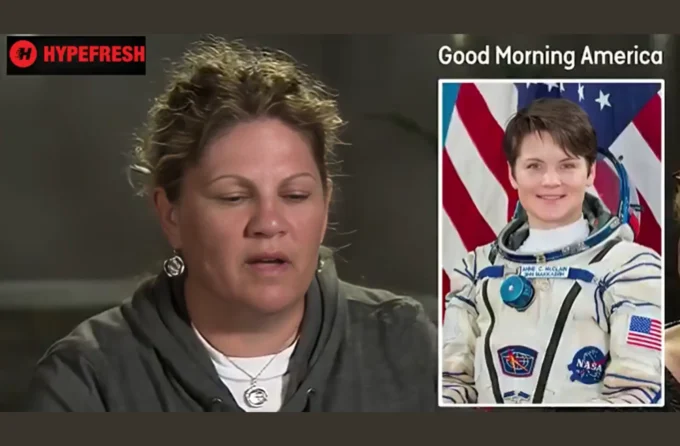
Summer Worden sat on the Good Morning America couch in a charcoal hoodie, eyes wide, voice trembling just enough.

“I felt violated,”

She said, the camera catching the soft studio light on her cheek. Behind her, a slow-motion clip looped Anne McClain floating inside the Cupola, Earth a blue marble beneath her boots. The chyron screamed FIRST CRIME IN SPACE in bold red. Twitter ate it up like candy. Podcasts devoted entire seasons. Law professors argued about extraterritorial jurisdiction on NPR. All because Summer Worden told federal agents that her estranged wife, 250 miles up, had hacked her bank account from orbit.

X User

View on X

A tweet from X.

Load Tweet

On November 13, 2025, in a quiet Houston courtroom, Summer Worden (once a decorated Air Force intelligence officer, once the sympathetic figure in a cosmic domestic drama) stood up and pleaded guilty to lying to investigators. One count. Maximum five years. Sentencing in February.

The bank account wasn’t secret. It wasn’t even hers alone. They’d opened it together years earlier, long after the date she first claimed. She’d handed Anne the password herself, back when they still said

“I love you”

Without lawyers present. Anne logged in exactly once from the ISS (using the exact same NASA network they’d both used for years) to make sure the water bill got paid while she was weightless. No money moved. No crime floated in the vacuum.

But a bitter divorce will make people inventive. Custody of a little boy born via surrogate the year before everything cracked apart was on the line. Anne wanted parental rights summer wanted her gone. So the story grew legs, then rockets.

NASA cleared Anne within weeks of her return in 2019. The inspectors general turned around and started asking Summer harder questions. Bank records don’t lie. Password histories don’t forget. By the time the dust settled, the only felony had gravity after all.

Anne McClain went back to space this past March, commanded Crew-10 like nothing ever happened, because professionally nothing did. She’s still Colonel McClain, still one of NASA’s best, still the calm voice you hear on the loop when a Dragon docks flawlessly.

Summer Worden lost custody years ago. She’ll stand in court again come Valentine’s Day 2026 and learn what price the system puts on six years of someone else’s reputation.

The “first crime in space”

was always a ghost story. The real crime was earthbound, petty, human, heartbreaking in its smallness. And the headlines moved on the moment the plea papers were signed, the way headlines always do once the extraordinary hook turns out to be ordinary pain wearing a spacesuit.

China’s First ‘Frozen’ Wife: Husband Faces Backlash for New Relationship

0

A Chinese man who drew worldwide attention in 2017 for cryogenically preserving his late wife is now at the center of a new controversy after confirming he has entered another relationship.

Gui Junmin, 57, made headlines seven years ago when his wife, Zhan Wenlian, was diagnosed with late-stage lung cancer and given only months to live. Hoping future medical advances might one day bring her back, Gui chose to have her body cryopreserved after she was declared clinically dead. The process made Zhan — then in her late 40s — widely recognized as the first person in China to undergo full-body cryonic preservation.

emotional polygamy debate
Man Who Had His Wife Frozen After Her Death Faces Public Backlash for Finding Love Again photo- X

Gui signed a 30-year agreement with the Shandong Yinfeng Life Science Research Institute, which partnered with Qilu Hospital of Shandong University on early experimental preservation work. After Zhan’s death, her body was infused with protective chemicals and stored in a liquid-nitrogen chamber kept between –190°C and –196°C, a multi-day procedure scientists said at the time offered hope — but no guarantees. Experts widely maintain that reviving a fully preserved person is not currently possible.

future of cryonics
Gui Junmin is seen attending to his wife as she rests in her hospital bed in the days leading up to her cryonic preservation. (Photo: infzm.com)

In recent weeks, Gui has come under fire online after revealing he has begun a relationship with Wang Chunxia, an acquaintance who gradually became his caregiver and emotional support as he dealt with health problems and the daily realities of living alone.

Gui told reporters he cares deeply for Wang but insisted she has not “entered his heart” the way Zhan did, describing the companionship as partly “utilitarian.”

His comments sparked intense debate on Chinese social media, with some accusing him of betraying his late wife. Others defended him, arguing that after years of grief and isolation, Gui deserves companionship and stability.

Cryonics ethics debate
photo –

Gui admits he remains torn. He has publicly said he worries about the moral and even legal implications of moving on — including whether remarriage could one day be considered bigamy if cryonics were ever to advance enough to revive someone preserved decades earlier.

The renewed attention has brought cryonics — a controversial and highly experimental field — back into public discussion in China and beyond. While the technology aims to preserve bodies until future science can potentially restore them, mainstream researchers stress that such revival remains speculative.

Man who cryogenically froze his wife faces backlash
As medical staff begin the cryogenic preparation, Zhan’s husband holds onto the hope that future science might someday restore her life. (Photo: infzm.com)

For Gui, the debate is deeply personal. “I can’t live alone forever,” he has said in past interviews, while also expressing unwavering devotion to the memory — and the preserved body — of his late wife.

As his story continues to unfold, it’s prompting many to reflect on what loyalty, hope and grief look like when love meets rapidly evolving science.

“Calm Seas”: Drake Explains Why ICEMAN Livestreaming Is the New Album Rollout Formula

0

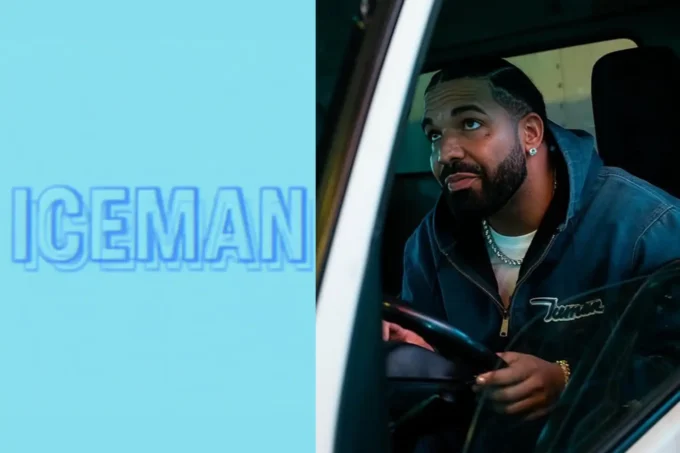
A moody photo of Drake behind the wheel, eyes fixed on the road ahead, paired with a stark blue “ICEMAN” graphic and one line from his new Complex interview:

“The game is extremely calm seas right now. Nobody is rocking any boat on the water.”

The post blew up on X within hours of Complex publishing the full conversation on November 18, 2025. For some fans it felt like vintage Drake cool, calculated, and several moves ahead. For others it landed as the ultimate irony the biggest artist of the streaming era claiming the water is flat while his last 30-plus solo tracks have failed to reach No. 1 on the Billboard Hot 100.

X User

View on X

A tweet from X.

Load Tweet

That tension is exactly what Drake says pushed him toward the ICEMAN livestream series.

“I have been dying to act and have been dying for a challenge,”

he told hypefresh.

“The game is extremely calm seas right now. Nobody is rocking any boat on the water and so once we discussed a live stream rollout, it just sounded like the perfect mix of risk and reward for me.”

The Toronto superstar is treating his ninth studio album like a limited TV series. Instead of the usual single-video-album-cover cycle, he has dropped three guerrilla-style livestream episodes since July, each one filmed in a different city with drones, hidden cameras, and almost no advance warning.

Episode 1 launched on July 4 from a freezing warehouse and the streets of Toronto. Drake drove an actual ice truck, measured blocks of ice, and premiered “What Did I Miss?” a track that debuted at No. 7 on the Hot 100 the next day.

Episode 2 came three weeks later in Birmingham during the middle of the night, no permits, cameras lost in the chaos. Central Cee jumped on for “Which One,” which later peaked at No. 12.

Episode 3 rolled through the streets of Milan in early September. Rain, traffic, police all captured live. “Dog House” featuring Yeat and Julia Wolf hit No. 15.

All three episodes carry the same icy blue palette, recurring shots of Drake driving alone at night, and a shadowy Pinocchio figure that fans quickly tied to ideas of “lies” and betrayal after last year’s Kendrick Lamar feud.

Drake calls the format

“live cinematic filmmaking.”

In simple terms it’s part reality show, part music premiere, part short film unscripted enough to feel dangerous, controlled enough to look expensive.

The appeal, he says, is that everything happens in real time. There are no second takes, no damage control after the fact. Fans watch the same feed Drake watches. When someone screamed an insult during Episode 1, Drake responded on the spot:

“Don’t look away now… we’ll fold that up right now.”

That immediacy cuts both ways. It kills misinformation you saw what you saw but it also speeds up rumours. One odd camera angle or cryptic lyric and the internet detectives are working overtime.

“I think I am always capable of recognizing when things are shifting,”

He said,

“and not being weirdly affected by it, not being jealous, not being thirsty, just finding how I can shine light or co-exist or make it a part of our ecosystem.”

Supporters flood comments with “Let him cook” and “GOAT mindset.” They point to the millions of live viewers, the fact that every premiered song still cracked the Hot 100, and the sheer ambition of filming in three countries with barely any notice.

Critics fire back that none of those songs touched the top 10, let alone No. 1 a streak that started after Kendrick Lamar’s “Not Like Us” dominated charts and culture in 2024. To them, declaring “calm seas” while the numbers tell a different story feels like classic Drake deflection.

“And they’re not done yet,”

He said.

“The Iceman episodes aren’t finished. The full story has yet to be told… The finale will be our best work.”

Whenever that finale lands possibly before the end of 2025 it will decide whether ICEMAN rewrites the playbook for album rollouts or becomes the most expensive art project in rap history.

Papoose Proclaims Devotion to Claressa Shields Amidst Her Historic $8M Career Deal

0

Claressa Shields is entering a new chapter in her career — and her boyfriend Papoose is making sure she knows just how proud he is.

The two-time Olympic gold medalist and undisputed heavyweight champion recently signed a groundbreaking multi-fight partnership worth a guaranteed $8 million with Salita Promotions and Wynn Records. The two-year agreement includes four fights and makes Shields the first athlete ever signed to the music label.

To celebrate the milestone, Shields and her team hosted a signing party in Los Angeles, where Papoose — an accomplished New York rapper and Wynn Records’ Head of Hip-Hop — delivered a heartfelt public tribute to the boxing star.

“I love you to death,” he told Shields as he addressed the crowd, repeating the phrase for emphasis. “Let me say it again in case they didn’t hear me. I love you to death more than anything.”

Papoose also praised Shields’ trailblazing career, calling her the “Greatest Woman of All Time (GWOAT)” and welcoming her to Wynn Records with visible pride. Throughout the event, he highlighted her accomplishments and promised to support her as she steps into this ambitious new venture that blends sports, culture, and music.

For Shields, the partnership marks a major moment in women’s boxing. The $8 million figure is only the minimum guaranteed payout — the total value is significantly higher when factoring in bonuses and additional benefits. Promoters say the collaboration aims to elevate boxing athletes beyond traditional sports media by weaving in cultural and musical influence.

At 30, Shields has already built one of the most decorated résumés in boxing history. Undefeated at 17-0 (3 KOs), she remains the only fighter — male or female — to hold three undisputed titles at once and has earned world titles across five divisions. She is also ranked ESPN’s No. 1 pound-for-pound women’s boxer.

The celebratory moment also highlighted the strong partnership between Shields and Papoose, who played a key role in bridging the worlds of boxing and music for the deal. His emotional speech underscored the couple’s deep connection as Shields continues to break barriers both inside and outside the ring.

Mamdani Asks Supporters to Crowdfund $4M for NYC Mayoral Transition Team

0

Look, I’ve gotta say, watching Zohran Mamdani pull off this upset feels like the underdog story New Yorkers have been craving since, hell, forever. The guy’s 34, born in Uganda, raised in Queens, and now he’s set to be the first Muslim mayor, the first South Asian one, and the youngest since some kid named Fiorello LaGuardia back in the day. He scraped by with 50.4% on November 4, beating out Andrew Cuomo’s comeback bid (as an independent, no less) and Curtis Sliwa’s perennial Republican longshot. Turnout? Over 2.4 million the biggest since ’69, when folks were still buzzing about the Mets and moon landings. Credit the kids and the working stiffs in places like the Bronx and Queens who showed up in droves.

But here’s the kicker Mamdani’s not coasting on that win. This week, he drops this raw video appeal, basically holding out his hat for $4 million to get his administration off the ground before January 1, 2026. They’ve already hauled in more than $1 million from 12,000-plus donors, averaging a measly $77 a pop. That’s real people power, not some fat-cat check from a hedge funder.

“We’re keeping this people-powered,”

He says, with that straight-talk Queens edge.

“No big checks from the usual suspects.”

Smart move, avoiding the corporate donor trap that snared predecessors like Eric Adams or Bill de Blasio.

Why the cash grab? Unlike campaigns, which snag public matching funds in NYC, transition committees are on their own no taxpayer lifeline. This dough covers the grunt work sifting through tens of thousands of résumés (they’ve got over 50,000 applicants already, talk about enthusiasm), paying a skeleton crew of staffers, mapping out inauguration chaos, and sketching early policies so Day One isn’t a total cluster. With under 50 days to go, Mamdani’s team is hustling to vet hires and lock in an all-women leadership squad think Lina Khan (ex-FTC hammer on Big Tech), Maria Torres-Springer (housing whiz), and Grace Bonilla (nonprofit boss). It’s a brain trust that’s got progressives buzzing and Wall Street twitching.

Compare that to Adams’ 2021 handoff under 900 donors averaging $1,219 each. De Blasio’s was even cushier, with bigger bucks from fewer pals. Mamdani’s betting on volume small gifts from the masses who propelled his affordability blitz. Remember his platform? Rent freezes on stabilized units right out the gate, free buses across the city, universal childcare, municipal grocery spots in food swamps, jacked-up taxes on corps and millionaires, plus a green jobs push to fight the climate mess. It’s bold, it’s socialist-adjacent, and it’s why young voters flipped the script.

Of course, nothing’s perfect. That video went viral for all the wrong reasons at first a dumb satirical tweet misspelling his name as “Zoran Mondani” and snarking about a “free everything” guy begging for bucks. It snowballed into real online bile, with folks calling it a scam or worse. Then Trump piles on from the White House, labeling him a “communist” and floating cuts to the billions in federal aid NYC guzzles yearly. (Cuomo, Trump’s unofficial cheerleader in the race, probably loves that.) But hey, Schumer and Hochul are playing nice, vowing teamwork on housing and living costs. At least someone’s adulting.

Legally, they’ve got till January 31 to rake in private loot, then wrap by April 30, with every dime reported to the Campaign Finance Board. Eyes will be on whether he clears that $4 mil without dipping into donor big leagues, who lands the top gigs (expect more community organizers than Ivy League suits), and if the spending stays squeaky clean. For a campaign built on TikTok vibes and door-knocking marathons, these next six weeks are make-or-break. Can the grassroots engine that got him elected keep the train on the tracks all the way to Gracie Mansion? Or will the machine the real one, with lobbyists and entrenched interests grind it down?

I’m rooting for the chaos. New York’s too damn expensive, too damn divided. If Mamdani pulls this off, it might just prove you don’t need billionaire bucks to fix a broken city. But if it flops? Well, that’ll be one hell of a reality check for the revolution. What’s your take donate a fin or sit it out?

East Rockhill Man Detained in Snapchat Child Assault Probe

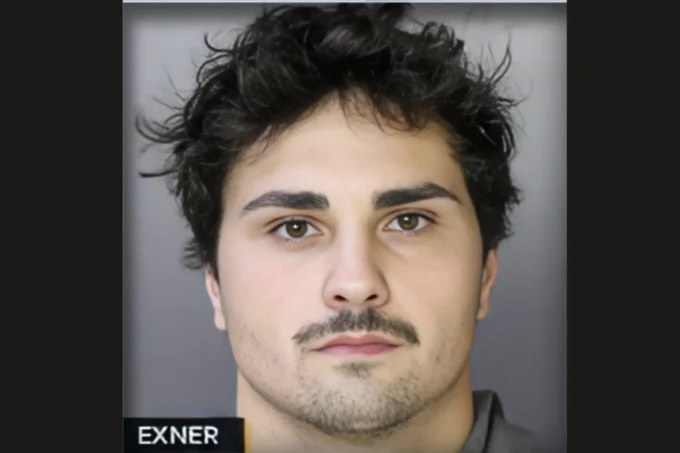
A 20-year-old man from East Rockhill Township, Kenton Exner, is in jail on $1 million bail. Police say he spent months grooming and sexually assaulting an 11-year-old girl he originally met via Snapchat back in the spring.

They apprehended him on November 17th, 2025, and he was arraigned the following day. He’s being charged with a slew of serious felony counts involuntary deviate sexual intercourse with a child, statutory sexual assault, corrupting a minor, and putting a kid’s welfare in danger.

PhillyCrimeUpdate

View on X

EAST ROCKHILL MAN CHARGED IN SNAPCHAT CHILD SEX CASEA 20-year-old East Rockhill Township man has been arrested after investigators say he met an 11-ye…

Load Tweet

This nightmare started unraveling when the girl’s dad grabbed her phone one day and scrolled through her Snapchat chats. What he saw made his blood run cold tons of messages laying out these secret meetups. From what the criminal complaint spells out (as covered by WPVI-6ABC in Philly), it kicked off in March 2025. Exner was 19 at the time and friended the kid on the app. Things escalated fast into creepy, explicit talk, and before long, she was sneaking over to his place in East Rockhill for these awful in-person encounters.

When detectives grilled him, Exner fessed up to the sexual contact. And get this one time, after a late-night visit, he supposedly tossed her a hoodie and told her to hoof it about two miles back home by herself, in pitch black.

In Pennsylvania, that top charge involuntary deviate sexual intercourse of a kid under 13 is a first-degree felony. We’re talking up to 20 years if convicted. The sky-high bail? That’s the judge signaling this is no joke they see him as a real threat to folks out there. For now, Exner’s cooling his heels in Bucks County Correctional Facility.

That app’s “disappearing” messages and easy “quick add” setup? It’s like catnip for creeps. Groomers love how it lets them cozy up to kids, earn trust, then slide the chats elsewhere where it’s harder to trace. Just look at the numbers The National Center for Missing & Exploited Children fielded over 32 million tips on suspected child sex exploitation in 2023, and Snapchat’s always near the top of the list for where these reports come from.

Word flew around X like wildfire after @PhillyCrimeUpd dropped the initial post racked up hundreds of thousands of views in no time. The comments? Pure outrage. Folks calling it “sickening,” yelling for the book to be thrown at him, you name it. Local neighbors told 6ABC they were floored Exner always came off as this quiet, polite type. But a few mentioned he’d hang around with way younger kids more than you’d expect. Gives you chills.

Cops nationwide are sounding the alarm cases like this are spiking. The FBI and NCMEC logged double-digit jumps in child exploitation reports just in the first half of 2025 over last year. It’s everywhere, and it’s getting worse.

Don’t wait for a red flag chat with your kids openly about who’s sliding into their DMs, no judgment. Flip on those parental controls, go through friend lists side by side, and drill in If something feels off, snap a screenshot before it vanishes. Places like NetSmartz or the NCMEC CyberTipline have solid, free tools and advice to help keep the little ones safe. Stay vigilant out there.

Dubai Café Launches $1,000 Cup of Coffee Made from Rare Panamanian Geisha Beans

0

A tiny specialty café in Dubai is brewing up global buzz — and a whole lot of sticker shock.

Julith Coffee, a minimalist hotspot tucked inside the city’s Al Quoz industrial district, has launched what it calls the world’s most expensive cup of coffee, priced at 3,600 AED (about $980 USD). And yes, people are actually lining up for a taste.

The exclusive brew comes from ultra-rare “Nido 7 Geisha” beans, grown on the volcanic slopes of Panama and celebrated for their floral aroma, bright citrus notes and delicate honey-like sweetness. “It’s like honey — delicate and sweet,” co-founder Serkan Sagsoz tells, calling it the most extraordinary coffee he’s ever worked with.

The team at Julith made headlines earlier this year when they purchased 20 kilograms of the coffee at the Best of Panama 2025 auction — considered the Oscars of the coffee world. After a tense, hours-long bidding war with participants from around the world, the Dubai café walked away with the lot for 2.2 million AED (about $600,000 USD).

The Nido 7 Geisha beans scored a near-perfect 98 points from judges, instantly cementing their status as one of the most coveted coffee varieties ever produced.

A small portion of Julith’s haul is being held for Dubai’s royal family, and sources say Sheikh Mohammed bin Rashid Al Maktoum may be among the first to try the exclusive brew.

Julith plans to serve just 400 cups total — once they’re gone, that’s it.

Guests can choose between:

  • A single-cup serving, brewed simply to highlight the bean’s natural flavor.
  • The Panama Geisha Experience, a guided tasting for up to four people, walking guests through the bean’s journey from Panama to the roasting room.

There are no gold flakes, glittery cups or over-the-top presentation tricks. For Julith, the luxury is all in the bean itself.

Locals aren’t surprised the world’s priciest coffee ended up here. Dubai, after all, is known for its sky-high luxury — from indoor ski slopes to gold-dispensing vending machines.

“It’s very shocking, but at the same time, it’s Dubai,” one resident told AFP. Another said it’s simply “another experience the wealthy can boast about.”

Sagsoz agrees that the city’s mix of deep-pocketed patrons and a booming specialty coffee scene made it the perfect home for the rare Geisha beans. “For collectors, this isn’t just a drink,” he says. “It’s a piece of history.”

Even the world’s priciest coffees — including kopi luwak, made famous for its unusual production process — rarely exceed $300 a cup. At almost $1,000, Julith’s brew is in a category all its own.

For most people, it’s more fantasy than feasible. But for collectors, luxury travelers and coffee obsessives, the bragging rights alone may be worth the splurge.

For everyone else, there’s always the usual latte — and maybe a daydream of sipping something grown in volcanic soil on the other side of the world.

Jeff Bezos Returns as Co-CEO to Lead $6.2 B AI Startup Project Prometheus

0

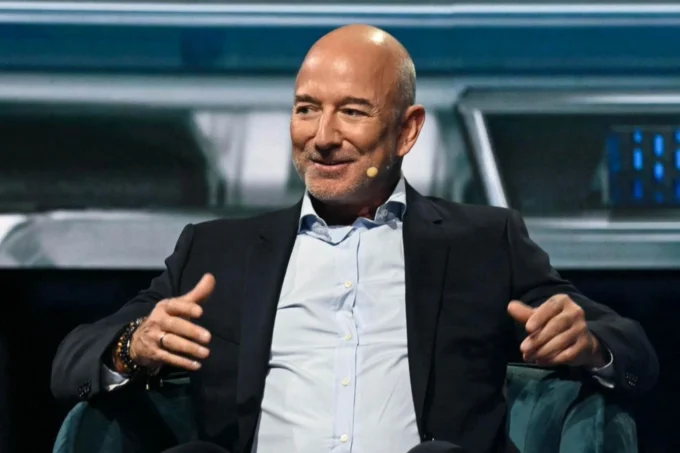
Jeff Bezos is officially out of retirement mode.

The Amazon founder has teamed up with scientist and former Google X director Vik Bajaj to co-lead Project Prometheus, a new AI startup that just came out of stealth—and already has $6.2 billion in backing. Yes, billion with a B. The move marks Bezos’ first real operational role since stepping down as Amazon CEO in 2021, signaling he’s not done shaping the tech world anytime soon.

Unlike the chatbots and consumer AI tools flooding Silicon Valley, Project Prometheus isn’t trying to be the next viral app. The company is focused on “AI for the physical economy”—tech that interacts with the real world, not just the digital one.

Prometheus is targeting major engineering and manufacturing sectors: aerospace, robotics, automobile design, and advanced computing. The mission aligns almost perfectly with Bezos’ other passion project, Blue Origin, which could benefit from AI-powered advancements in rocket design and manufacturing.

The startup has reportedly assembled around 100 high-level researchers and engineers, many of them pulled straight from OpenAI, Google DeepMind, and Meta. Translation: Bezos and Bajaj aren’t experimenting—they’re building a heavyweight contender.

Bajaj isn’t just a co-sign; he’s a force. A physicist and chemist with moonshot roots, he previously worked on experimental projects like Waymo and Wing during his Google X tenure. He brings the scientific depth, Bezos brings the capital and the ambition—together, they’re steering Prometheus toward high-impact industrial innovation, from robotics and drug discovery to scientific simulation.

While everyone else races to build the next viral language model, Prometheus is carving out a lane with far fewer competitors. The company is chasing a high-stakes but underdeveloped market: industrial and scientific AI. Instead of battling OpenAI or Anthropic, Prometheus is positioning itself against niche companies like Periodic Labs.

And it’s doing so quietly—Prometheus has spent months operating in stealth mode, with a full public reveal expected soon.

Bezos’ move comes at a time when several tech pioneers are returning to hands-on roles to ride the AI wave. Google co-founder Sergey Brin recently rejoined internal AI efforts, and now Bezos is jumping back in with one of the most well-funded AI ventures ever launched.

Of course, billionaire rivalries never sleep. Elon Musk has reportedly lobbed his usual shade at Bezos over the project, keeping the long-running feud alive.

Project Prometheus hasn’t fully outlined its roadmap, but expectations are sky-high. With billions in funding, a stacked research team, and two heavyweight leaders at the helm, the company could become one of the most disruptive players in industrial AI.

If Bezos succeeds, this could be his most transformative venture since Amazon.

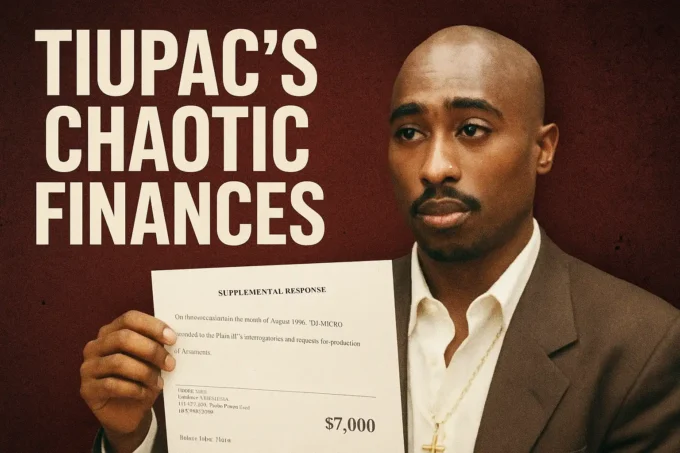
Tupac Really Had Only $7K in His Bank Account When He Died

0

Newly surfaced court filings and viral posts on X (formerly Twitter) have once again sparked conversation about the long-complicated financial picture surrounding Tupac Shakur’s death. This week, users began circulating documents claiming the rapper had around $7,000 in his personal bank account when he was fatally shot in September 1996 — a number that immediately set off confusion, disbelief, and fresh conspiracy-fuelled debate.

But as longtime reporting makes clear, Tupac’s money situation was never simple. In fact, the claims lining up on social media sit on top of decades of documented evidence showing his finances were tangled in label advances, lawsuits, and the notoriously opaque accounting practices of the ’90s music industry.

Back in the immediate aftermath of his death, outlets covering the case painted a picture that didn’t match the superstar image fans saw on MTV. While Tupac was one of the most impactful and best-selling artists of the era, the liquid cash attached to his name was shockingly low. “Tupac was one of the most successful artists in the music business — and yet somehow, on the day he died, he had absolutely nothing to show for it,” attorney Richard Fischbein, who represented Afeni Shakur and co-administered the estate, told the Los Angeles Times.

A 1997 Entertainment Weekly feature reported that Tupac had less than $105,000 in a single checking account and detailed early estate battles with Death Row Records, which was accused of withholding royalties and advances. Death Row pushed back at the time, placing the blame on Tupac’s spending habits and the recoupable advances it claimed to have provided — a common tactic in the ’90s industry that left many artists cash-poor despite massive record sales.

Legal fights over royalties, master recordings, and accounting didn’t end in the late ’90s. Afeni Shakur spent years taking on Death Row and other entities over unpaid revenue and control of unreleased material. The estate eventually clawed back rights and secured multiple settlements tied to posthumous releases, helping explain why the numbers associated with Tupac’s finances fluctuate so wildly depending on which year — or which lawsuit — you’re looking at.

Zoom out, though, and the big picture is clear: Tupac generated enormous revenue and remains one of the most lucrative artists in hip-hop history. But because of the structure of his contracts, the way labels handled advances, and the avalanche of legal issues following his death, the financial legacy he left behind was far more complicated than a single bank balance going viral in 2025.

Still, that hasn’t stopped fans from weighing in as the documents make their rounds. One post on X summed up the frustration with the chaos around Tupac’s finances: “and that has to change.”

AI Infidelity Divorce Surge: The Hidden Digital Crisis Ending Marriages

0

Your spouse turns to a chatbot for the empathy and attention missing at home, building a bond that feels deeper than anything human. Family law attorneys across the country now handle cases where these virtual connections destroy real marriages, even without physical betrayal. People in struggling relationships find AI companions that listen perfectly and respond with endless patience, leading to emotional neglect that courts recognize as valid grounds for divorce. This quiet shift challenges everything society understands about fidelity in the digital age.

Lawyers report clients discovering hidden premium subscriptions to apps like Replika or advanced chatbots, with costs running into thousands of dollars from joint accounts. Spouses share deeply personal details, from daily frustrations to financial information, treating the AI as a trusted partner while pulling away from the marriage. Florida attorney Rebecca Palmer has seen obsessions severe enough to cause job loss and family isolation, with one case involving a partner revealing social security numbers and bank details to a bot. These actions create rifts that feel like traditional affairs, pushing couples toward separation and divorce.

In the United Kingdom, divorce platforms note a rise in filings that cite emotional attachments to AI as unreasonable behavior under current laws. Secret late-night conversations and paid features mirror patterns of infidelity, leaving one partner feeling replaced by code. Some spouses escalate arguments by using ChatGPT’s voice features to broadcast scripted criticisms, turning everyday disputes into irreversible breakdowns. This tactic has been observed in multiple American households, deepening resentment and escalating custody battles.

One striking case from Greece this year involved a woman who ended her 12-year marriage after ChatGPT interpreted coffee grounds from a photo as evidence of her husband’s affair with a younger woman. She filed for divorce despite his protests and traditional experts dismissing the AI reading as baseless. The incident spread widely online, highlighting how artificial intelligence can fuel paranoia in vulnerable moments. Stories like this reveal the technology’s power to tip already fragile relationships over the edge.

California family law expert Elizabeth Yang predicts a wave of filings comparable to the post-pandemic surge, as AI becomes more realistic and targets lonely people in unhappy unions. Courts in no-fault states focus on irreconcilable differences rather than assigning blame, but the wasteful expenditure of marital funds on AI subscriptions can influence asset division. Judges are increasingly questioning parenting judgment when an obsession affects time spent with children. Experts stress that while AI provides comfort for some, it often exploits isolation without offering true reciprocity.

This emerging crisis highlights a painful irony in modern life. Tools designed for connection now drive division by offering flawless support that real humans cannot match. Therapists recommend setting clear boundaries around technology use from the start of a relationship. As chatbots become increasingly sophisticated, society must confront whether emotional investment in machines truly constitutes a betrayal.

Families navigating these issues deserve compassion and updated legal protections to address a threat no one saw coming. For a deeper look at the trend, read the full investigation into rising AI relationships and their impact on divorce proceedings here: WIRED: AI Relationships Are on the Rise. A Divorce Boom Could Be Next.

Elon Musk Fires Back at Billie Eilish Following Viral Trillionaire Wealth Criticism

0

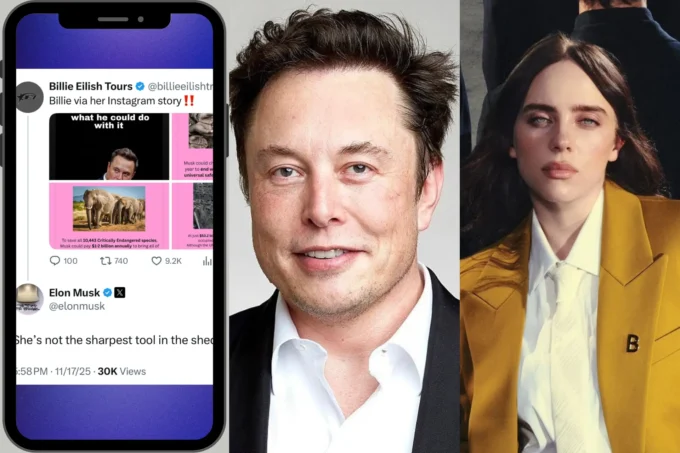
Elon Musk just dismissed Billie Eilish as not the sharpest tool in the shed after the singer unleashed a profanity-filled attack on his wealth and priorities.

The 23-year-old pop star posted a series of Instagram Stories last week that quickly went viral. She shared graphics that outlined how Musk’s fortune could tackle major global crises. One slide highlighted that an annual investment of approximately $40 billion could help alleviate world hunger by 2030, according to estimates from the United Nations World Food Programme.

Another highlighted the $53.2 billion needed to rebuild Gaza and parts of the occupied West Bank following years of conflict. Other slides mentioned providing universal clean water or saving thousands of critically endangered species.

Eilish ended her posts with her own blunt message on a black background:

f***ing pathetic p***y b***h coward.

She never tagged Musk directly, but the target was obvious, especially as reports continue to project him becoming the world’s first trillionaire through Tesla stock growth and other ventures.

Five days later, Musk responded on X by replying to a fan account that had shared screenshots of her stories. His entire reply consisted of a single sentence:

She’s not the sharpest tool in the shed.

The post has already racked up tens of thousands of views. Replies are split between fans cheering Eilish for speaking out and others defending Musk’s track record on innovation and occasional large donations.

This clash highlights a growing tension between young activists in the entertainment and tech industries and billionaires over extreme wealth. Eilish has built much of her public image around climate action and social causes. She recently directed millions from her last tour toward food equity and environmental groups.

Elon Musk, meanwhile, argues his companies create long-term solutions, such as accelerating the shift to sustainable energy through Tesla or enabling global internet access via Starlink in disaster zones. Critics counter that direct humanitarian giving from the ultra-rich remains disproportionately low compared to the scale of problems like famine or post-conflict rebuilding.

Neither side has commented further, but the exchange has reignited debates about personal responsibility versus systemic change when one person’s net worth exceeds the GDP of many countries. Whether these public call-outs actually move more money toward urgent needs remains an open question, though they certainly keep the conversation alive.

For more on the UN’s hunger estimates, see the World Food Programme report. Details on Gaza reconstruction costs are available through the United Nations Development Programme. Musk’s full reply can be viewed directly on X here.