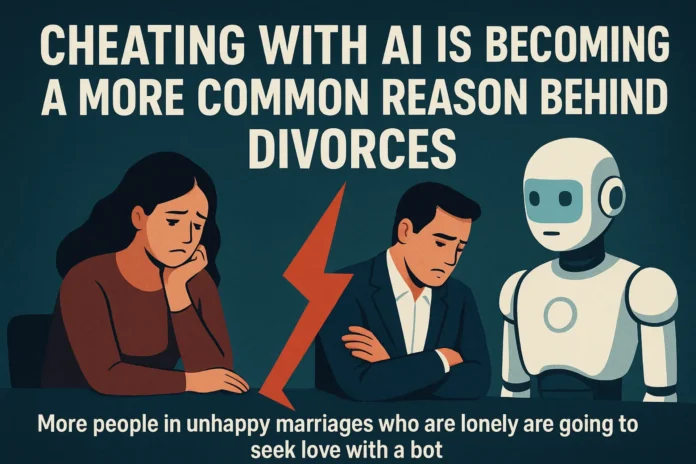
Your spouse turns to a chatbot for the empathy and attention missing at home, building a bond that feels deeper than anything human. Family law attorneys across the country now handle cases where these virtual connections destroy real marriages, even without physical betrayal. People in struggling relationships find AI companions that listen perfectly and respond with endless patience, leading to emotional neglect that courts recognize as valid grounds for divorce. This quiet shift challenges everything society understands about fidelity in the digital age.
Lawyers report clients discovering hidden premium subscriptions to apps like Replika or advanced chatbots, with costs running into thousands of dollars from joint accounts. Spouses share deeply personal details, from daily frustrations to financial information, treating the AI as a trusted partner while pulling away from the marriage. Florida attorney Rebecca Palmer has seen obsessions severe enough to cause job loss and family isolation, with one case involving a partner revealing social security numbers and bank details to a bot. These actions create rifts that feel like traditional affairs, pushing couples toward separation and divorce.
In the United Kingdom, divorce platforms note a rise in filings that cite emotional attachments to AI as unreasonable behavior under current laws. Secret late-night conversations and paid features mirror patterns of infidelity, leaving one partner feeling replaced by code. Some spouses escalate arguments by using ChatGPT’s voice features to broadcast scripted criticisms, turning everyday disputes into irreversible breakdowns. This tactic has been observed in multiple American households, deepening resentment and escalating custody battles.
One striking case from Greece this year involved a woman who ended her 12-year marriage after ChatGPT interpreted coffee grounds from a photo as evidence of her husband’s affair with a younger woman. She filed for divorce despite his protests and traditional experts dismissing the AI reading as baseless. The incident spread widely online, highlighting how artificial intelligence can fuel paranoia in vulnerable moments. Stories like this reveal the technology’s power to tip already fragile relationships over the edge.
California family law expert Elizabeth Yang predicts a wave of filings comparable to the post-pandemic surge, as AI becomes more realistic and targets lonely people in unhappy unions. Courts in no-fault states focus on irreconcilable differences rather than assigning blame, but the wasteful expenditure of marital funds on AI subscriptions can influence asset division. Judges are increasingly questioning parenting judgment when an obsession affects time spent with children. Experts stress that while AI provides comfort for some, it often exploits isolation without offering true reciprocity.
This emerging crisis highlights a painful irony in modern life. Tools designed for connection now drive division by offering flawless support that real humans cannot match. Therapists recommend setting clear boundaries around technology use from the start of a relationship. As chatbots become increasingly sophisticated, society must confront whether emotional investment in machines truly constitutes a betrayal.
Families navigating these issues deserve compassion and updated legal protections to address a threat no one saw coming. For a deeper look at the trend, read the full investigation into rising AI relationships and their impact on divorce proceedings here: WIRED: AI Relationships Are on the Rise. A Divorce Boom Could Be Next.