

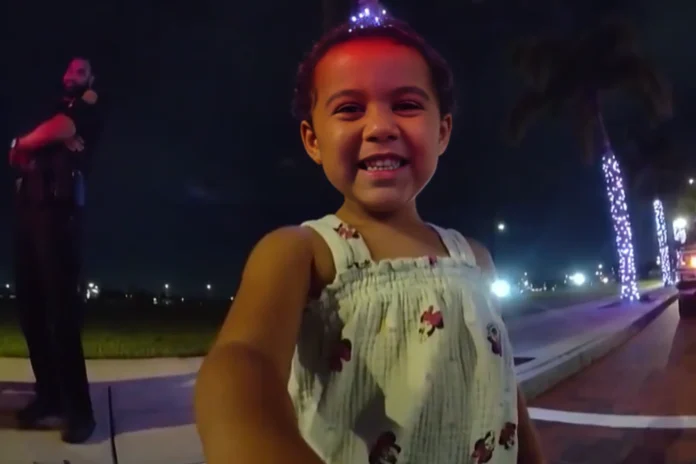
A heartwarming moment between a Tampa Police Department K-9 officer and a curious child has gone viral, capturing the softer side of law enforcement and sparking conversations about transparency, technology, and community policing.
In a short clip posted to the Tampa Police Department’s official social media channels in early September 2025, K-9 Officer Brandi “Brandy” Bush is seen kneeling beside her K-9 partner, Hunter, as she shows a young boy how her body-worn camera works. Smiling, she says, “Say cheese!” before letting the child watch himself on the tiny live display. The boy giggles and waves, responding, “Can we do it again?” a moment that has now been viewed hundreds of thousands of times across Facebook, Instagram, X, and news aggregation sites.
A tweet from X.
This was greater than a viral video for the Tampa Police Department (TPD), it was a demonstration of sustained efforts in building trust among citizens. The department, according to TPD, hosts around 50 community events annually and directly contacts more than 10,000 individuals annually.
Officers Bush and K-9 Hunter are a frequent presence at local schools, safety fairs, and children’s activities.
“Small, genuine interactions help bridge gaps,”
A TPD spokesperson wrote in a release.
“Kids get a chance to see officers as friendly, and parents get a peek at transparency in action.”
The video also demonstrates TPD’s dedication to invest in body-worn cameras as part of general accountability initiatives. The department began the implementation of cameras in 2020, and over 650 cameras are now carried by 95% of officers.
Nationwide, studies indicate that body-worn cameras can be useful in boosting public trust and enhancing evidence gathering, but specialists comment on inconsistent results regarding their impact in decreasing complaints or use-of-force encounters.
“This clip reflects why we have body cams,”
said Officer Bush in a brief interview.
“They’re not just for evidence they also help us connect with people and explain what we do.”
Under Florida law, body-worn camera footage is generally considered a public record. However, there are exemptions for recordings taken inside private homes or other sensitive locations.
TPD says this particular clip complies with state guidelines. The child is not named or identified, and consent was obtained from a guardian before posting. Still, some privacy advocates caution that selectively releasing positive clips could unintentionally shape public perception.
“This is where transparency and public relations intersect,”
said Dr. Elaine Porter, a policing policy researcher.
“Departments should balance feel-good content with broader access to footage that impacts public trust.”
Nationwide, K-9 programs such as Tampa’s have a two-part mission operational, aiding in narcotics detection, tracking, and search-and-rescue and relational, facilitating police departments in reaching out to their public.
Across the country, body cameras are universally deployed, but there are debates concerning privacy, selective release, and whether or not viral footage shows typical policing or stage-managed scenes.
While the video captures an undeniably wholesome moment, it also raises larger questions about transparency. How do departments decide which clips to release? How is children’s privacy protected? And how might viral snippets shape public perception of law enforcement?
For now, though, the takeaway from Tampa is simple one officer, one child, one shared smile. As Officer Bush told TPD’s media team afterward:
“It’s moments like this that remind us why we serve to build trust, one interaction at a time.”

