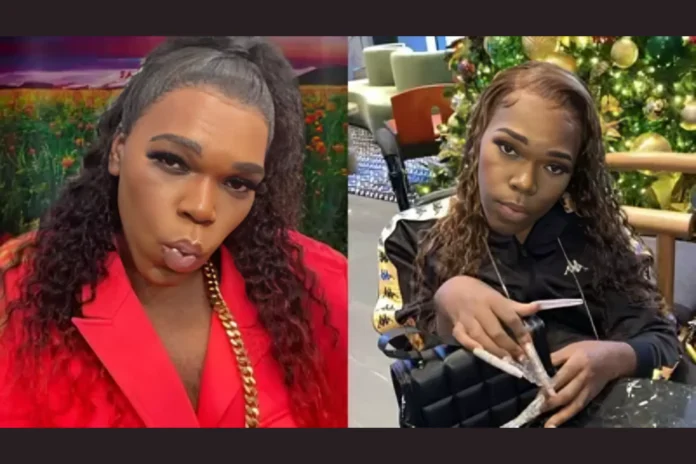
Raymond Harper, better known to the world as Rolling Ray, built a name for himself as a bold, unapologetic voice in digital culture. Born September 5, 1996, in the Washington, D.C. area, Ray proudly described himself as the “most famous boy inna wheelchair.” He turned his disability into a platform of empowerment, using humor, music, and viral catchphrases like “purr” to connect with millions.
From viral Instagram clips to appearances on MTV’s Catfish: Trolls (2018), Divorce Court, and Zeus Network’s Bobby I Love U, Purrr, Ray became more than an internet star. To many in the Black, LGBTQ+, and disabled communities, he was a symbol of resilience, representation, and joy. His rap singles, including Look At Me, Gun Action, and BigPurrrr, added another layer to his creative identity.
A tweet from X.
On September 3, 2025, just two days before his 29th birthday, Ray’s mother, Sazola Nay, shared the heartbreaking news in a private Facebook post:
“It is with a heavy heart that I let you all know that my son Ray Ray (@Iamrollingray) has gone home to be with the Lord… Please pray for us as we push forward to lay him to rest… Only God Knows.”
By September 4, multiple outlets, including FOX 5 DC, Yahoo, Hindustan Times, and PinkNews, confirmed his passing. The Zeus Network, where Ray last appeared on reality TV, also posted a tribute on Instagram, writing,
“Gone way too soon. Rest in peace, Rolling Ray.”
The cause of death has not been disclosed as of this report.
Ray’s public journey was marked by extraordinary resilience. In 2021, he survived a severe burn accident. A year later, he battled COVID-19 and slipped into a coma. In 2024, he was hospitalized with pneumonia and a blood infection, requiring intensive care. Despite these challenges, he returned online each time, often mixing humor with inspiration.
After one death hoax in 2022, Ray shot back with a viral video saying simply, “NOT DEAD.” That kind of spirit unapologetic and defiant made him unforgettable to his fans.
Ray didn’t just entertain; he shifted culture. His phrases like “It never gave dead” and his signature purr became staples of Gen Z and queer online language. He marched in Black Lives Matter protests in 2020, spoke openly about disability pride, and encouraged LGBTQ+ visibility.
With more than 440,000 Instagram followers, Rolling Ray’s reach went far beyond his neighborhood or even the United States. He became a digital cultural icon, one whose authenticity inspired people to embrace themselves as they are.
The reaction to his death was immediate and heartfelt. Emmy-nominated author George M Johnson Garçon wrote,
“Ray was more than a personality he was a movement. A voice, a spirit, a spark, gone too soon.”
Fans flooded social media with messages like
“Not just a meme he was an advocate for disability rights and queer culture” and “Ray gave us language, laughter, and strength.”
The Zeus Network tribute gathered tens of thousands of likes within hours, underscoring how deeply Ray’s presence touched people in the digital age.
Rolling Ray’s death at 28 marks the loss of more than a digital celebrity. He was an artist, advocate, and cultural force who brought representation to spaces that often ignored voices like his. Though the cause of death remains unknown, his legacy is clear: a fearless presence who turned personal challenges into global influence.
In his own words, “It never gave dead.” For his fans and communities, his voice will echo long after September 3, 2025.