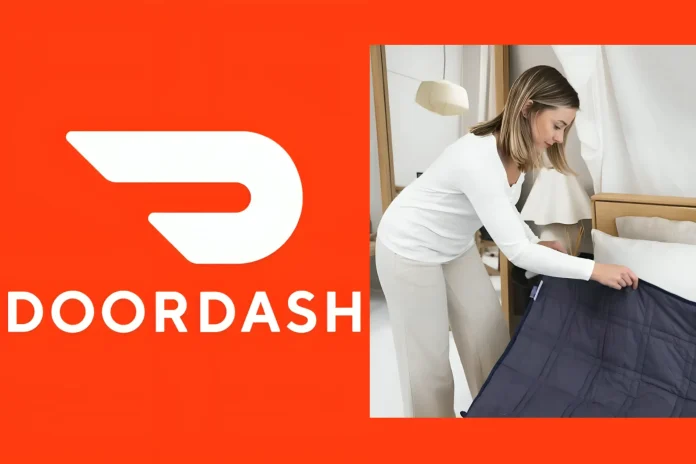
DoorDash just turned everyday housework into a paycheck and a direct line to tomorrow’s robots. On March 19, 2026, the company launched a standalone “Tasks” app that pays Dashers in select U.S. markets to film themselves doing simple chores like washing dishes, making beds, and cooking with a frying pan. The videos? Straight-up training data for AI and robotics systems that still struggle with real-life tasks.
It’s not a joke. With over 8 million Dashers nationwide, DoorDash is tapping its massive workforce to fill a huge gap in AI development: high-quality, diverse videos of humans doing normal stuff.
A tweet from X.
The new app is a pilot rollout focused on non-delivery gigs. Dashers pick tasks, record them often with a phone or body-worn camera pointed at their hands and upload the footage. Pay shows up upfront and scales with effort. Some reports put effective rates around $1 per minute for video-based chores, though it varies by task.
DoorDash’s official announcement puts it plainly:
“There are more than 8 million Dashers who can reach almost anywhere in the U.S. and who want to earn flexibly beyond delivery. That’s a powerful capability to digitize the physical world,”
Said Ethan Beatty, General Manager of DoorDash Tasks. The data trains both DoorDash’s own tech (think future autonomous delivery bots) and partners in retail, insurance, hospitality, and tech.
Right now it’s only in select markets. California, New York City, Seattle, and Colorado are excluded, likely because of stricter gig-worker and privacy rules.
Download the standalone Tasks app (separate from the main Dasher one). Grab a quick gig: hand-wash at least five dishes while scrubbing, rinsing, and holding each clean plate steady in frame. Load a dishwasher. Fold laundry. Make a bed. Cook something simple in a frying pan. Or even record an unscripted chat in Spanish.
Bloomberg detailed one example body cam on, hands in view, every motion captured for robots to study. Finish, submit, get paid. Easy side cash between deliveries or at home.
Robots still suck at basic stuff humans do without thinking. Washing dishes means handling slippery plates, water, soap, and weird angles the exact “embodied” data AI lacks. These first-person videos give machines the real-world examples they need to learn manipulation, sequencing, and object interaction.
The internet is already having fun with it. Reddit threads and X replies are full of “prepare to train your replacement” jokes. Gig workers see the extra flexible income as a win amid rising costs, but plenty are side-eyeing the irony of helping build the automation that could shrink delivery jobs.
This is classic gig-economy hustle meeting the AI boom. Dashers get optional side cash in tough times. DoorDash gets a human-powered data network cheaper and faster than traditional methods. But concerns are real: privacy around filming inside homes, questions about how long the data is kept and who owns it, and the bigger worry that workers are literally training their own future competition.
DoorDash says it’s all optional and transparent. Still, the rollout’s limits in regulated states raise eyebrows about labor and data rules.
Gig workers are no longer just delivering food they’re becoming the raw material for the AI economy. Your sink full of dishes might just be the next big thing powering robots. Check the app if you’re a Dasher; availability is rolling out fast.