

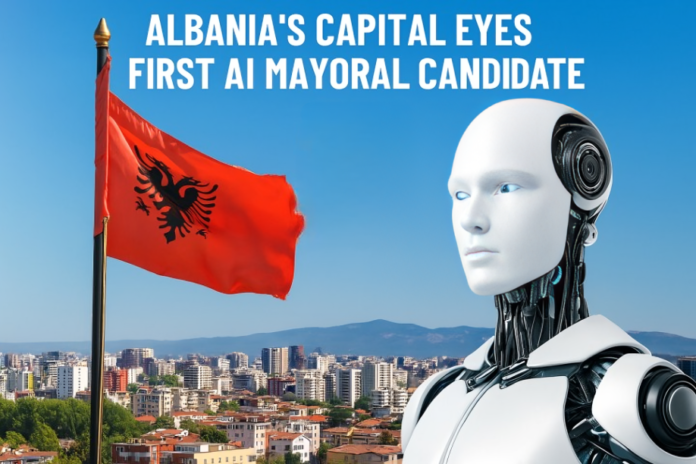
Could an algorithm steer a bustling European capital through traffic jams and budget crunches better than a flesh-and-blood leader? In Tirana, that question hangs in the air as a trio of tech-savvy innovators push forward with plans to nominate an artificial intelligence for mayor.
The project, dubbed TirANA—or Tirana Algorithmic Neural Assistant—sprang to life earlier this month when three Albanian IT specialists, Denisa Kele, Tomi Kallanxhi, and Besmir Semanaj, shared their bold vision on social media. They envision TirANA not as a lone digital overlord, but as a collaborative tool backed by a broad network of experts in urban planning, environmental science, economics, and more. This setup aims to blend machine precision with human insight, tackling everyday headaches like polluted streets and sluggish public transit in Albania’s vibrant heart.
TirANA operates as an open-source platform at its core, meaning anyone can peek under the hood at its code and data flows. The creators stress this transparency as a direct response to growing calls for accountability in public office. Semanaj, speaking on behalf of the group, frames the effort as a real-world test: Can technology redefine how leaders connect with constituents, or does it risk widening the gap between voters and decision-makers?
Yet the road to the ballot box looks steep. Albania’s Central Election Commission oversees candidate approvals, and current rules demand that contenders be Albanian citizens with deep local roots—criteria that leave little room for software. No formal bid has landed on desks yet, but the team hopes to spark debate and perhaps even nudge lawmakers toward updates. With the Tirana vote tangled in court battles—the Constitutional Court weighs a challenge from ousted mayor Erion Veliaj, potentially delaying polls past the initial November 9 target—time feels short for such experiments.
This comes hot on the heels of another tech twist in Albanian politics: the government’s rollout of Diella, an AI assistant tapped to oversee public tenders and root out graft. While Diella stirs praise for its efficiency, critics point to its opaque inner workings as a red flag. TirANA’s architects nod to that precedent but double down on openness, positioning their creation as a citizen-friendly alternative.
From where I sit, covering the intersection of tech and policy across the Balkans, this push feels like a timely gut check for democracies flirting with digital tools. Albania, deep in its bid to join the European Union, faces pressure to modernize without sacrificing trust. The EU’s own AI Act, now guiding high-stakes uses like governance, demands safeguards against bias and overreach—principles that could either bolster or bury ideas like TirANA. If nothing else, the project spotlights a universal tension: How do we harness AI’s speed without losing the messy, empathetic pulse of human leadership?
Residents in Tirana, a city of over 900,000 where young entrepreneurs rub shoulders with historic Ottoman echoes, seem split. Some cheer the novelty as a fresh jolt against stale politics; others worry it distracts from pressing needs like affordable housing. As the creators rally supporters through online forums and street talks, one thing rings clear: Whether TirANA ever graces a ballot or not, it has already nudged the conversation toward a future where code and community collide.
, an AI-driven entity, is set to run for mayor of Albania’s capital—marking a digital democracy milestone.)