

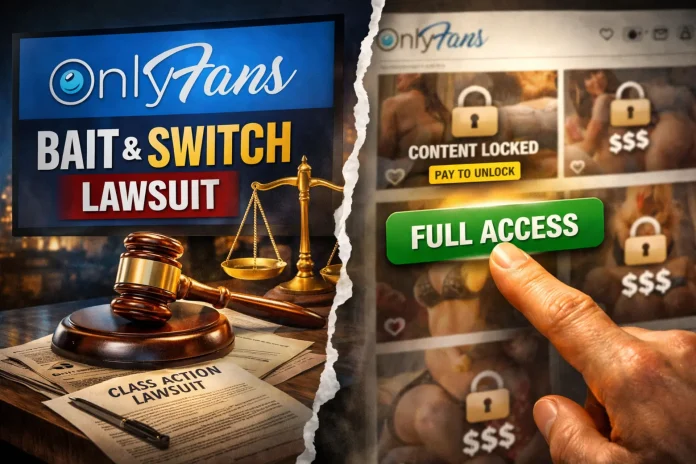
OnlyFans subscribers are pushing back against the platform’s subscription promises in a new class action lawsuit, claiming the site’s “full access” assurances amount to a deceptive bait-and-switch that funnels users toward endless additional payments for the content they expected upfront.
Filed by California resident David Gardner on January 26, 2026, in the U.S. District Court for the Central District of California, the complaint alleges that OnlyFans misleads consumers by advertising subscriptions as gateways to comprehensive exclusive adult material from creators like Sophie Rain, Skylar Mae, and Mia Khalifa. Gardner recounts subscribing in September 2025 after spotting promotions on X, paying introductory rates as low as $3 per month, only to discover pages filled with teaser posts and automated direct messages soliciting hundreds more for pay-per-view videos or custom content. This setup, the suit argues, violates California’s Unfair Competition Law and Consumers Legal Remedies Act by creating false expectations, as the platform’s uniform checkout language promises unrestricted access without disclosing the heavy reliance on upsells.
The accusations ring true for many in the adult content space, where similar grievances have surfaced in prior legal battles, including claims of fraudulent “chatter” services where third-party impersonators pose as creators to extract more spending from fans. Industry insiders acknowledge that while subscriptions provide a baseline revenue stream, the real money for creators often comes from layered monetization tactics, such as locking premium explicit material behind individual purchases that can cost $50 to $150 apiece. This model has drawn scrutiny for potentially exploiting emotional vulnerabilities, with one undercover report revealing how agencies train chatters to build illusory personal connections, turning casual subscribers into high spenders under the guise of authenticity.
Adult Industry influencers thrive on OnlyFans through a multifaceted earnings structure that keeps 80 percent of revenues with creators after the platform’s 20 percent cut, blending predictable monthly subscriptions with variable income from tips and pay-per-view extras. Top performers like Sophie Rain, who boasted $95 million in platform earnings over two years as of November 2025, often start with low introductory subscription fees to hook followers, then upsell personalized content or live interactions to maximize profits. However, this approach leaves average creators scraping by on $100 to $200 monthly, per various reports, highlighting a stark divide where only the most marketed profiles achieve financial windfalls while relying on aggressive retention strategies.
This case underscores ongoing ethical debates in the creator economy, where platforms like OnlyFans balance user growth with transparency, potentially facing broader regulatory pressure if courts validate these deception claims. As subscription services evolve, the lawsuit could force clearer distinctions between base access and premium add-ons, benefiting consumers but challenging creators who depend on layered pricing to sustain their businesses. Ultimately, outcomes here might redefine “full access” in digital content, prompting influencers to adapt their models or risk alienating their paying audiences.

