

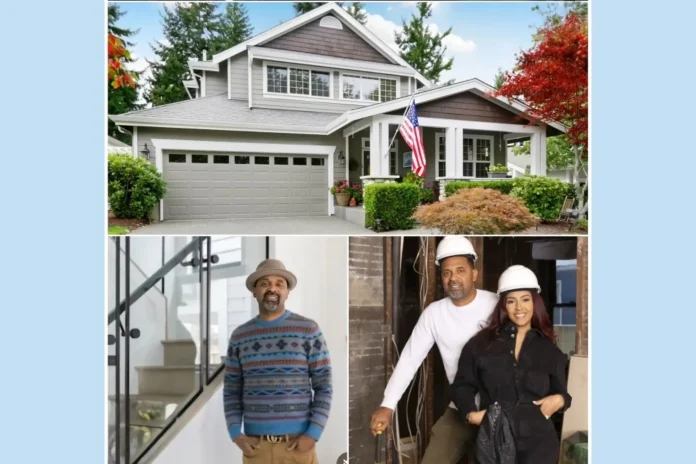
In a candid recent interview on the Club Shay Shay podcast with Shannon Sharpe, Epps shared how frequent evictions shaped his early life in the city’s Kennedy-King neighborhood. He described compiling a list of those addresses as an adult, tracking them down, and buying them outright—some of which are now rented affordably to family members. This personal victory, which he calls his “revenge on life,” went viral through clips that resonated with millions for its raw honesty about overcoming poverty.

Epps’ journey began on November 18, 1970, in Indianapolis, where he grew up in a working-class family facing constant financial hardship. Multiple evictions forced repeated moves, leaving deep emotional marks on a young Epps who watched his mother struggle to keep a roof over their heads. Those experiences in the underserved Kennedy-King area fueled his determination, as he vowed early on to one day return and reclaim those properties if he ever achieved success.

His rise to fame started in local comedy clubs before he moved to Atlanta in the mid-1990s to chase bigger stages. Breakthrough appearances on HBO’s Def Comedy Jam put him on the map, but his starring role as Day-Day Jones in 2000’s Next Friday opposite Ice Cube catapulted him to Hollywood success.
Epps went on to reprise the character in sequels, shine in The Hangover trilogy, and build a thriving career in stand-up tours, Netflix specials, and series like The Upshaws, amassing wealth that allowed him to honor his long-ago promise.
The claim of buying every eviction-site home is fully verified through Epps’ own detailed accounts in the fresh Club Shay Shay clips, where he explains knocking on doors to purchase the properties and tying them to his broader revitalization efforts. These efforts garnered national attention through his 2023 HGTV series, Buying Back the Block, co-led with his wife, Kyra Epps, which focused on renovating homes in the same neighborhood to preserve affordability amid rising property values. Local reporting confirms the ongoing impact, with restored properties helping retain residents in a community at risk of gentrification.
Epps has emphasized that his motivation runs deeper than financial gain—it’s about healing childhood trauma, honoring his roots, and building generational stability. By prioritizing family access and community preservation over profit, he actively counters displacement trends affecting many Black neighborhoods.
Hear the full emotional recounting in viral podcast moments, including this YouTube clip, while more on the renovations appears in coverage from WRTV Indianapolis.
In an industry full of flashy investments, Epps’ approach feels grounded and purposeful, proving that success can directly uplift the places and people left behind. His story serves as a powerful motivation for anyone from similar beginnings, showing that returning home with resources can create lasting change rather than just personal wealth. This blend of vulnerability and action explains why the revelation resonated so deeply across social media and beyond.

