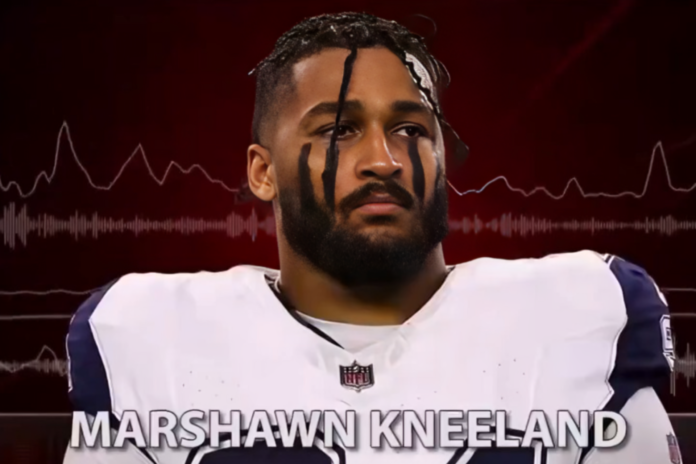
A simple goodbye text lit the fuse on a night of desperate searches and shattered hopes for Dallas Cowboys defensive end Marshawn Kneeland. The 24-year-old athlete, full of promise on the field, slipped into a darkness that ended with his body found early Thursday morning in Frisco, Texas. Police dispatch recordings now paint a raw picture of those final hours, exposing the silent battles too many young stars fight alone.
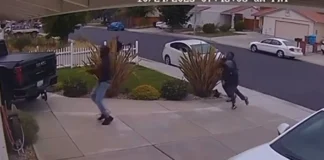
The chaos began around 10:39 p.m. on Wednesday when state troopers tried to pull over Kneeland for a traffic violation. He sped away, leading officers on a brief pursuit that ended in a crash near Dallas Parkway and Warren Parkway, where he bolted into nearby woods on foot. By 11:30 p.m., his girlfriend Catalina had dialed 911 in a panic, telling dispatchers he carried a gun, battled mental health issues, and had vowed to end it all.
Those chilling words echoed through the radio chatter as teams from Frisco and Plano police scrambled with drones and K9 units. One dispatcher relayed that Kneeland fired off a group message to family members, the words heavy with finality and fear for his well-being. Minutes later, the NFL looped in local authorities, confirming the texts and urging a welfare check at his apartment, although no one was home and the keys remained out of reach.
Kneeland’s path to the pros was marked by grit and joy, from his standout days at Western Michigan University to his selection as a second-round draft pick by the Cowboys in 2024. He notched his first NFL touchdown just days earlier, scooping a blocked punt against the Arizona Cardinals in a moment that lit up the stadium. Yet behind the helmet and highlights, grief from his mother’s sudden passing earlier that year lingered like a shadow, a pain he carried quietly into every practice.
As the sun rose on Thursday, Kneelands’ body turned up at 1:31 a.m. inside a portable toilet not far from the wreck, the wound self-inflicted according to initial reports. Frisco police ruled out foul play right away, handing the case to the Collin County medical examiner for a full autopsy. His agent, Jonathan Perzley, spoke of a young man who poured his soul into the game, leaving a void that words can barely touch.
Tributes flooded in from teammates and coaches, each one a plea wrapped in sorrow for the kid with the infectious smile. Dallas Cowboys quarterback Dak Prescott, no stranger to loss himself, doubled down on calls for open talks about pain in the locker room. Western Michigan head coach Lance Taylor remembered Kneelands’ leadership as the spark that lifted everyone around him.
This tragedy cuts deeper than one life lost; it spotlights cracks in the armor of professional football, where mental health strains under spotlights and hits. Athletes like Kneeland often mask turmoil with touchdowns and tough talk, but dispatch logs like these demand we listen harder to the whispers before they turn to cries. True progress means weaving support into the fabric of the sport, from training camps to crisis hotlines, so no one feels they chase shadows alone. For those navigating similar storms, resources from the NFL Player Care Foundation offer confidential steps forward.
Kneelands’ story ends in heartbreak, but it stirs a call to connect, to check in on the strong ones who seem unbreakable. His family, including Catalina, now faces tomorrows without him, while the Cowboys prepare to honor his fire on fields ahead. In the end, these audio echoes and text trails remind us that every goodbye deserves a hand reaching back in time. If despair grips tight, dial the 988 Suicide and Crisis Lifeline for voices ready to pull you through.