

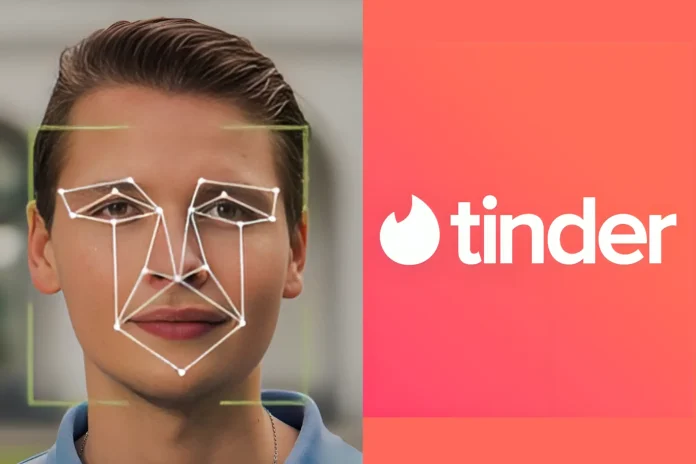
Swiping right used to come with the usual risks ghosting, awkward dates, maybe a catfish or two. Now, there’s a new concern creeping into online dating: what if the person on the other side isn’t even human?
That’s the problem Tinder is trying to tackle with a new feature rolling out across the United States a “proof of humanity” badge designed to separate real users from AI-generated profiles, bots, and scammers flooding the platform.
Here’s how it works. Tinder users can now choose to verify themselves through a system built by World, a biometric identity company co-founded by OpenAI CEO Sam Altman. Instead of uploading an ID or recording a selfie video, users scan their iris the colored part of the eye either through a mobile app or a physical device called an “Orb.”
A tweet from X.
Once verified, users receive a visible “Verified Human” badge on their profile, along with five free Boosts, a premium feature that temporarily pushes their profile to more people.
“It’s about proving you’re a real person in a digital space that’s getting harder to trust,”
One product update explained during the company’s April 2026 announcement event in San Francisco.
It is not by coincidence that the perfect moment has arrived. The losses resulting from romance frauds in the USA exceed the one billion-dollar mark in 2025. Simultaneously, technologies of artificial intelligence can create the most realistic profile with pictures and even videos.
Tinder says the feature is optional, not a requirement to use the app. But the incentive free visibility boosts suggests the company wants users to adopt it quickly.
The rollout follows a successful pilot in Japan and is now expanding globally, including major U.S. cities. It’s also part of a broader push by World to bring “proof of humanity” systems to other platforms like Zoom and Reddit, where distinguishing real users from AI is becoming a growing challenge.
Still, not everyone is on board. Privacy advocates have raised concerns about sharing biometric data, even if companies claim the process is secure. World says it does not store actual iris images, only encrypted, anonymous codes. Critics remain cautious, pointing out the risks of any system tied to sensitive biological data.
There’s also skepticism about effectiveness. Experts note that while the system may reduce basic bot activity, more sophisticated scams run by real people using AI tools could still slip through.
For now, Tinder’s message is clear: in a world where AI can fake almost anything, proving you’re human might soon become part of the dating game.

