

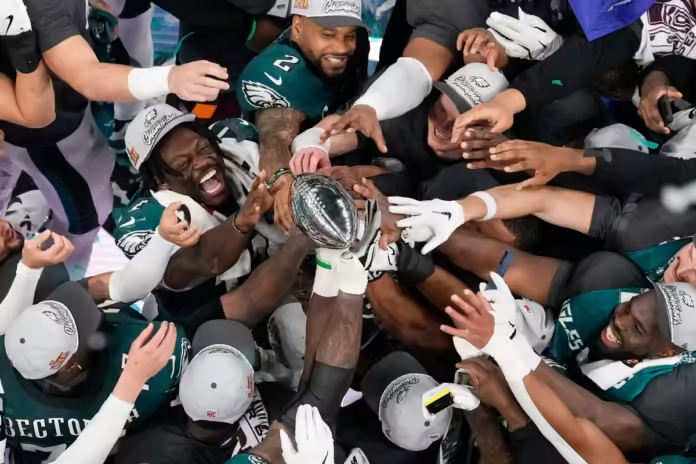
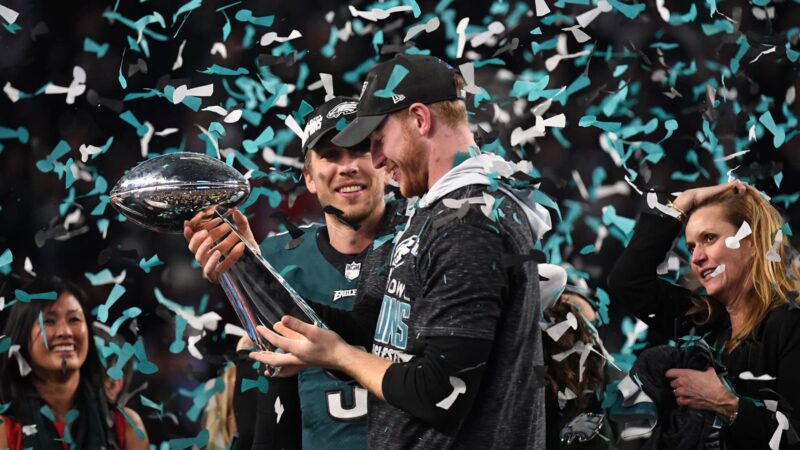
The Philadelphia Eagles skipped the traditional trip to the White House following their Super Bowl LII victory against the New England Patriots. The decision elicited a national debate on where values, politics, and sports intersect.
The Eagles’ win was something to make Philadelphia proud, and their supporters filled up Philadelphia’s streets in triumph. The tradition is normally for champions to go to the White House. The Eagles, however, did something unique.
President Donald Trump made a statement:
“The Philadelphia Eagles cannot celebrate in their formation visit to the White House. They have something in disagreement with their President in that he insists on them standing for their National Anthem proudly.”
Reports indicated several of the players were uncomfortable showing up to the game. Internal debate saw mixed feelings on visiting, with several of the players having serious concerns regarding Trump’s attacks on athletes who protest against social injustices while reciting the national anthem. These protests, kneeling or raising their fists, were meant to bring attention to serious issues the players cared for.
Understanding the significance of this decision requires revisiting 2018. Having won their Super Bowl, the Eagles were to visit the White House. Tension, however, arose as players planned to boycott the visit in protest against Trump’s remark on NFL players kneeling in protest while the anthem is played. Trump, in response, disinvited the team, categorically announcing that only if the Eagles met his conditions were they to visit.
This contentious history is contemporary. The recent decision by the Eagles cements their position: they do not need to have their triumph legitimized by a White House photo opportunity.
Eagles owner Jeffrey Lurie offered to compromise by sending a lesser delegation, including Super Bowl MVP Nick Foles. The team, however, made up their minds that appearing in halves would never accurately represent their oneness.
In a statement, the Eagles expressed gratitude:
“To have our entire Eagles’ community come in and rally around us in such an inspiring fashion is something truly special. We’re thankful for any gesture of goodwill and kindness. We’re looking forward to continuing to build our preparations for our season ahead.”
The players’ decision exceeded politics—it was on principle. They wanted to have their say and their gesture to symbolize integrity, togetherness, and respect for their audience. Their protest resonated in many who believe that through sport, there is power to do good for society.
Despite the lack of attendance by the Eagles, there was an alternative ceremony conducted by the White House. President Trump hosted 1,000 of the supposed attendees. The United States Marine Band and United States Army Chorus played, and their attention was on saluting America and military heroes.
“These fans are better than that,” Trump said. “I am going to celebrate America.”
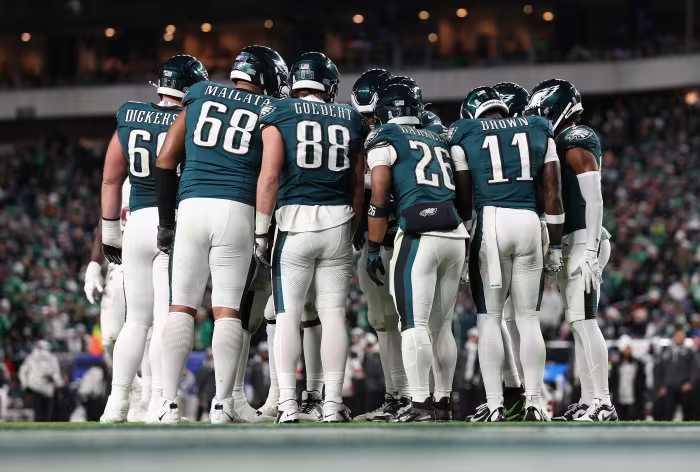
However, some onlookers did notice that President Trump congratulated the Kansas City Chiefs on their AFC Championship but did not mention the Eagles on their NFC Championship. The lack of any congratulatory word on his part only made for greater tension in an already taut situation.
Public reaction, of course, was mixed. “This is why I ride with the Eagles — integrity on and off the field,” tweeted one. For them, their team is something larger than football; it is a movement.
However, not everyone was jubilant. Others viewed it as a waste of time to unify the country. “This was football, not politics,” griped another supporter. But in today’s overheated political climate, is keeping them apart possible?
The tradition of visiting the White House by champions dates to the 1800s. The visits were traditionally celebratory and non-political. Now, in an age where every gesture is subject to interpretation for political content, such tradition is no longer so unequivocal.
