

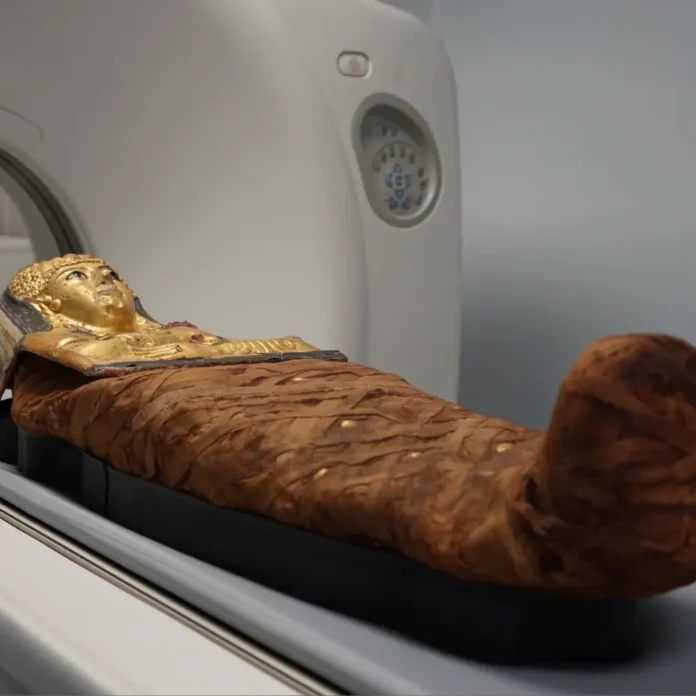
Imagine sipping tea in a lavish Victorian parlor while casually discussing the latest medicinal craze: powdered mummy. Yes, you read that right—actual Egyptian mummies, ground up and consumed in the name of health. This isn’t the plot of a horror movie; it’s a bizarre chapter in medical history. Why on earth did people believe ingesting ancient human remains could cure their ailments? Let’s unwrap this macabre mystery.
From Tomb to Table: The Origins of Mummy Medicine
The story begins not in Victorian England but in the medieval world, where “mummy medicine” was already a thing. The craze was sparked by a misinterpretation of the word mumia, which originally referred to a natural bitumen or tar-like substance believed to have healing properties. When Europeans encountered embalmed mummies during the Crusades, they mistakenly thought these ancient remains were infused with this miraculous substance. Apothecaries across Europe began grinding up mummies to sell as medicine, promising cures for everything from migraines to epilepsy.
The appeal wasn’t just medicinal—it was mystical. Consuming the remains of long-dead pharaohs felt like ingesting their power and vitality, a concept that resonated with people desperate for any edge over life’s ailments.
Medicinal Mummification: A Royal Endorsement
The popularity of mummy medicine didn’t just rely on folklore—it had the ultimate endorsement: royalty. King Francis I of France and England’s King Charles II were known to dabble in mummy-based treatments. Charles II even had his own preparation, aptly nicknamed “The King’s Drops,” which contained pulverized mummy remains. This seal of approval from the upper echelons of society only fueled the practice’s credibility, cementing its place in European apothecaries for centuries.
But here’s the kicker: the “mumia” these people consumed wasn’t medicinal at all. It wasn’t the life-giving bitumen they believed it to be; it was embalmed human remains, packed with everything except health benefits.
Victorian “Mummymania”: Where Medicine Met Morbid Curiosity
By the 19th century, Victorian England took its obsession with Egypt to a whole new level. While mummy medicine had begun to fall out of fashion as medical science advanced, the fascination with all things Egyptian was alive and well. Victorians loved the macabre, and mummies were the ultimate relic of death.
Enter the mummy unwrapping party—a ghastly blend of social gathering and pseudo-scientific spectacle. Guests gathered in drawing rooms to watch as an archaeologist or surgeon carefully unwrapped an ancient mummy, unveiling secrets hidden for millennia. These events were part archaeology, part performance art, and all entertainment. Attendees marveled at the desiccated remains while sipping sherry, their curiosity both morbid and insatiable.
But the unwrapping parties weren’t purely for show. For some, the unwrapped remains were still seen as valuable commodities, and mummy powder remained a niche treatment for those still clinging to outdated medical beliefs.
The Ethical Turn: From Remedy to Relic
As the Victorian era progressed, science and ethics began to catch up with curiosity. Advances in medical understanding debunked the notion that consuming ancient remains could cure ailments, and a growing awareness of cultural preservation cast mummy consumption in a far less glamorous light. By the late 18th century, the practice was in decline, and by the 19th century, it was largely relegated to the realm of historical oddities.
Mummies, once revered as both medical panaceas and symbols of death’s mysteries, became artifacts of study rather than substances for consumption. The macabre allure of mummy powder gave way to a more respectful appreciation of Egyptian history and culture.
Modern Reflections: Are We Really So Different?
It’s easy to scoff at the Victorians and their penchant for turning ancient corpses into medicine. But are we really that far removed from their strange obsessions? Modern wellness trends are rife with questionable remedies and pseudo-science. From ingesting activated charcoal to celebrity-endorsed “detox” teas, today’s health fads might seem just as bizarre to future generations as mummy powder does to us.
So, the next time you pop a supplement or sip on a trendy elixir, ask yourself: how different is this from powdered mummy? It’s a question worthy of reflection—and maybe a second opinion from your doctor.
