Every parent dreads when a child’s online chat turns from innocent fun into a trap set by strangers with dark intentions.
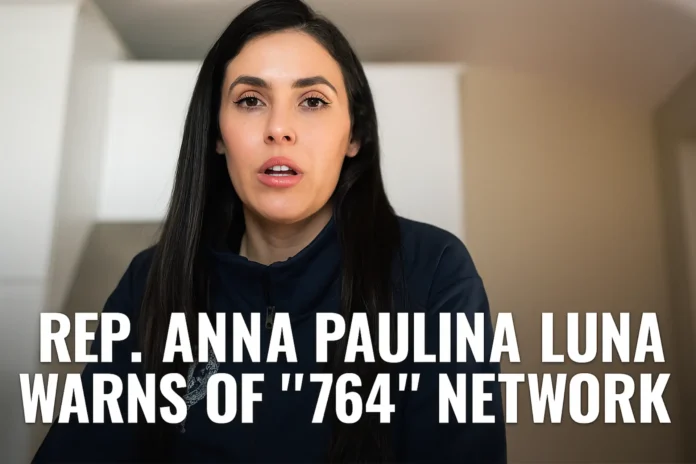
During a recent FBI briefing, Florida Congresswoman Anna Paulina Luna sharply focused on this fear. She learned about a shadowy online group called 764. Agents described how this network uses encrypted messaging apps to befriend and exploit vulnerable teens, often girls aged nine to seventeen. Luna shared the details in a short video on October 28, urging families to check who their kids talk to online.
“Today, I was briefed by the FBI on a dangerous online network known as ‘764.’ This group uses encrypted apps to engage in satanic sexual extortion targeting minors, and they are considered to be extremely dangerous. Parents: please stay aware of who your kids are talking to online. PROTECT YOUR KIDS!”
The group started small around 2020 in Texas, but has become a global threat. Members pose as friends on gaming sites like Discord and Roblox, building trust before demanding explicit photos or videos. Once they have that material, the extortion begins. They threaten to share it with family or police unless the teen performs acts of self-harm, animal cruelty, or worse. Some victims face pressure to recruit others, trapping them in a cycle of abuse.
Federal investigators label 764 as nihilistic violent extremists, blending online predation with ideologies that push for societal chaos. They share coerced content in private channels, sometimes hosting live streams for twisted entertainment. This mix of sexual exploitation and radicalization makes the group especially hard to dismantle.
Law enforcement has ramped up efforts this year. The FBI now runs over 250 investigations across the United States, which climbed sharply by mid-2025. Just last week, on October 27, a federal grand jury in California indicted nineteen-year-old Tony Christopher Long on six counts tied to the network. Prosecutors say he groomed minors across state lines, forcing them into sexual acts and animal torture, with penalties that could reach seventy-six years in prison.
These cases highlight a disturbing trend. Many perpetrators are young themselves, sometimes former victims groomed into roles of power. This blurs the lines between survivor and offender, calling for more than arrests. It demands comprehensive support, like mental health programs and rehabilitation, to break the chain.
As someone covering child safety for years, I see how platforms promise connection but often fall short on protection. Recent federal actions show progress, yet gaps remain in monitoring encrypted spaces. Lawmakers like Luna push for stricter laws, but real change starts at home with open talks and tools like the FBI’s Child ID app, which lets parents store emergency info securely on their phones.
Parents can spot warning signs early. Look for sudden mood swings, unexplained injuries, or secrecy around devices. Talk without judgment, set privacy rules, and report suspicions right away. Resources from the National Center for Missing and Exploited Children offer quick ways to flag threats anonymously.
Luna’s warning comes at a critical time, with child sexual abuse material reports surging in places like Florida. Shining a light on 764, she reminds us that online vigilance is not optional. It is the frontline in keeping our kids safe.