

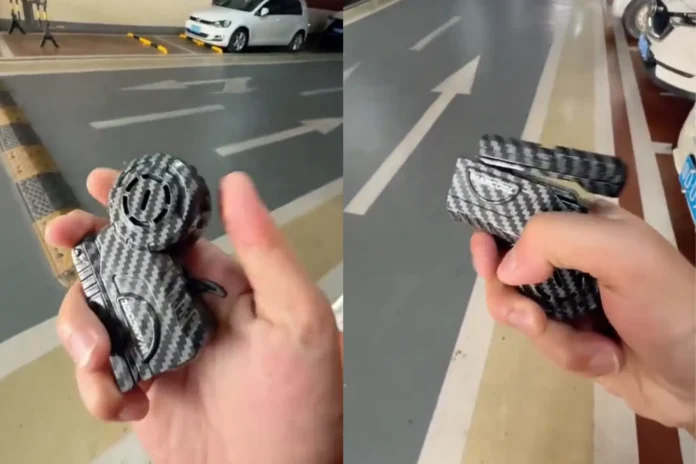
In the dim glow of a parking garage, a single flash and bang from a plastic pistol could summon real bullets from a responding officer. These inexpensive replicas, priced at around $20 and designed to mimic the sound of gunfire with lights and sounds, have gained immense popularity online. Still, they are now at the center of urgent warnings about life-threatening mix-ups.
Shoppers can find these compact devices on major e-commerce sites, often shaped like familiar handguns and activated by a simple button or remote. Manufacturers pitch them as harmless fun for play or even subtle home protection, complete with echoing audio blasts and red LED flashes that echo through enclosed spaces. Yet, what starts as a clever gadget quickly veers into danger when held in a tense moment, like spotting a prowler at night. Bystanders or law enforcement, facing split-second decisions, might see only the outline of a weapon, not the toy label tucked away.
The numbers paint a stark picture of why experts are sounding the alarm. Since 2014, police across the United States have fatally shot at least 320 people who were holding toy or replica guns mistaken for the real thing. That figure underscores a pattern in which low-light conditions and high-stress encounters turn pretend into peril, with incidents spiking in urban areas where quick judgments can save or end lives. Families of those affected often share stories of everyday scenarios gone wrong, from teens testing boundaries to adults reaching for what they thought was a safe deterrent.
Public chatter online reflects this unease, with parents sharing stories of resisting impulse buys after watching viral clips of the toys in action. One common thread: the orange tips meant to signal “fake” get overlooked or removed, further blurring the lines. Law enforcement groups have stepped up their advisories this year, urging communities to ditch these items for brighter alternatives, such as motion-activated alarms that announce presence without the illusion of force.
This surge in incidents prompts a thorough examination of regulatory gaps. While the Consumer Product Safety Commission mandates blaze orange markings on toy guns to distinguish them from real firearms, compliance varies wildly among cheap imports, leaving consumers vulnerable. In covering product safety over the years, patterns like this reveal how global supply chains prioritize speed over scrutiny, turning backyard innovations into front-page tragedies.
From my vantage point, covering consumer trends, the real issue here lies in how bargain pricing lures people into a false sense of security. These gadgets promise empowerment at a fraction of the cost of proper safeguards, yet they erode trust in split-second situations that demand clarity. Consider the broader ripple: in neighborhoods already on edge from rising thefts, one misunderstood prop could fracture community bonds or invite lawsuits that drain resources from actual crime prevention. It’s a reminder that true safety invests in visibility and communication, not deception.
Federal guidelines emphasize the importance of clear markings on such toys to prevent confusion, and consumers would do well to heed them by selecting products with bold, permanent indicators. For those eyeing online deals, a quick check of safety standards can avert heartache. Instead of replicas, experts recommend proven tools like smart doorbells or community watch apps that provide clear alerts. Resources like the Washington Post’s police shootings database offer sobering insights into these risks, while advocacy groups push for stricter import checks.
