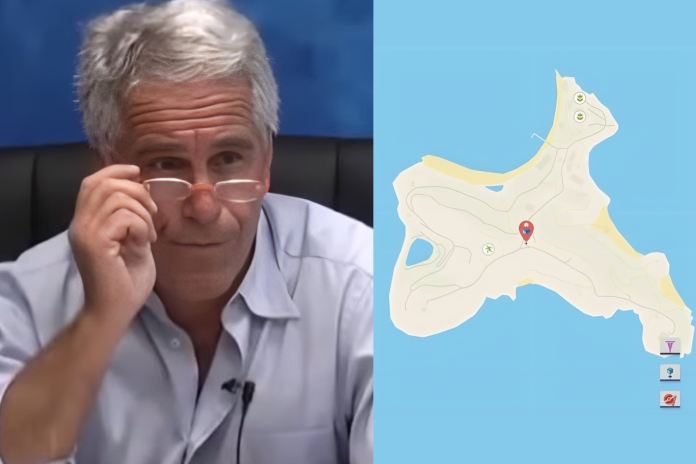
Gamers hunting virtual monsters in Pokémon Go just uncovered a real-world shocker: a PokéStop smack on Jeffrey Epstein’s infamous island. This hit right as the DOJ unleashed millions of fresh documents in January 2026, stirring up old scandals and putting the spotlight back on Little Saint James in the U.S. Virgin Islands.
The discovery lit up social media like wildfire. Players, drawn by the renewed buzz, zeroed in on the spot using GPS spoofing basically faking their location with apps to “visit” without leaving home. What they found? A PokéStop called “Sun Dial,” tied to an actual colorful sundial on the island’s north tip.
A tweet from X.
Pokémon Go thrives on user-submitted landmarks. Through Niantic’s Wayfarer system shared with their other game, Ingress high-level players nominate points like public art or historical spots. Reviewers approve them, and boom, they become PokéStops for spinning items or battling.
This one slipped through around 2020 or 2021, well after Epstein’s 2019 death in prison.
“The PokéStop was player-nominated and approved via Niantic’s Wayfarer system sometime between 2020 and 2021,”
Reports Polygon. No evidence points to Epstein submitting it himself. The island’s private status, with zero public access, should have raised flags, but it flew under the radar for years.
Fast-forward to early February 2026. Amid the DOJ’s document dump over 3 million pages detailing Epstein’s crimes players on Reddit’s r/PokemonGoSpoofing started poking around. One post on February 4 asked:
“Can someone see if there’s anything on Epstein’s Island?”
Screenshots flooded in, showing the red marker on the island map.
By February 7, viral X posts amplified it. Users swarmed virtually, flagging the stop as inappropriate.
“Players had flagged the location after it resurfaced online, though it is expected to have been created in either 2020 or 2021, after Epstein’s death,”
Noted an Instagram update from No Jumper.
Dark humor ensued. Jokes flew about catching Pokémon like Mr. Mime known for invisible barriers or Lopunny with its bunny vibes. Some quipped spoofers did better investigative work than mainstream media. Frustration boiled over too, with replies blasting superficial coverage of Epstein’s scandals.
Niantic didn’t waste time. By February 9 to 11, the PokéStop vanished.
“Niantic removed a PokéStop on Jeffrey Epstein’s Little Saint James island… flagged by users after recent document unseals highlighted the site’s notoriety,”
According to Kotaku. They confirmed the deletion to outlets like GAMINGbible, but skipped a full press release.
This isn’t Niantic’s first rodeo. They’ve yanked PokéStops from U.S. sensitive spots before, like Holocaust memorials or cemeteries, to keep things family-friendly. With Pokémon Go’s massive American player base millions daily active users out of 600 million global downloads the pressure from online communities hit hard.
The gaming world erupted. “Players Flock To Pokéstop,” headlined Kotaku, while Polygon called it “Removed After Outrage.” On Reddit, threads praised the takedown but questioned approval flaws. X posts racked up millions of views, like Pubity’s with 45K likes.
Bonus nugget: Epstein emails from 2016, revealed in the 2026 files, showed him hyping Pokémon Go to associates.
“Check pokemon go you have already the first of augmented games,”
He wrote to a Qatari sheikh. No tie to the PokéStop, though.
Outlets like Polygon, The Verge, Kotaku, and Forbes backed the story with player screenshots and in-game checks.
This clash shows how AR games like Pokémon Go, born in the U.S., can tangle with dark history. Online sleuths forced Niantic’s hand fast, proving community power in corporate decisions. As one Kotaku commenter put it:
“Gamers inadvertently spotlighted a sensitive location overlooked for years.”
With the island now owned by billionaire Stephen Deckoff since 2023 plans for a luxury resort underway the virtual marker’s gone for good. No appeals expected. It highlights moderation gaps in user-driven content, especially when real scandals bleed into fun.