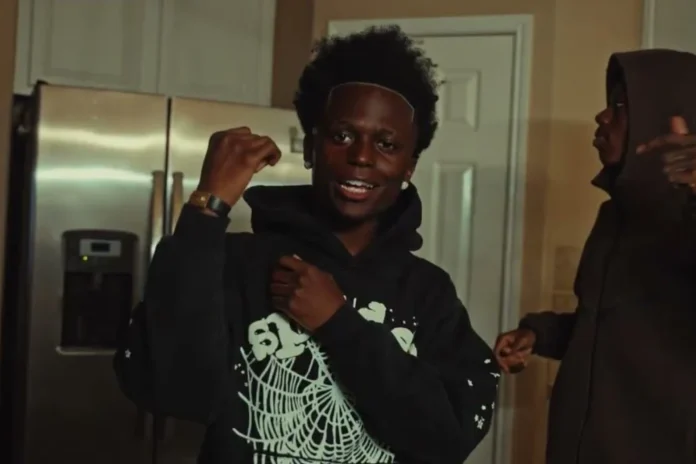
Houston rapper Luh Que and more than a dozen alleged associates from the YNS collective are facing serious federal charges after an FBI investigation that leaned heavily on a confidential source posing as a music producer and a series of carefully controlled undercover operations.
Luh Que, born Jocquez Frye, was among five young men who appeared in federal court in Houston on September 29 for a lengthy detention hearing. The others named that day were Jacob Barrett, Kristian Winters, Darrell Sampson and Jaquan McClendon. All face conspiracy charges related to robbery and drug trafficking, plus firearms counts. Frye is also charged with unlawful possession of a machine gun.
According to testimony from FBI Special Agent Marquis Nelson, the case started with social media and drill videos that appeared to document real violence, illegal switches and open disrespect toward rivals. Investigators zeroed in after cell data placed Frye near the scene of the January carjacking of former Texans player Jaylen Reed — a crime that landed Frye’s older brother Montreal a 10-year sentence.
Once the FBI started looking at Luh Que’s online presence, they brought in a confidential human source with music-industry credentials. The source, whom defense lawyers said the group called “Coach Chris,” reached out offering studio time and industry connections. Meetings were recorded. Guns were present. The source even bought a switch and some marijuana from the crew.
From there, the investigation shifted into staged scenarios. The group was told about supposed cartel drugs and cash sitting in a U-Haul, a bait car, and later a stash house on Army property that supposedly held 42 bricks of cocaine. In each case, the targets, the product and the locations were under FBI control. The final operation involved another fake robbery setup. Defendants showed up in masks and gloves and were handed fake license plates to put on their cars. SWAT teams moved in as they started changing the plates. Five guns with switches were recovered. No one was hurt.
Social media accounts of the hearing have claimed the government ultimately had three confidential informants around Luh Que and the YNS circle. Court reporting has focused most closely on the single music-industry source who opened the door and kept the opportunities coming.
Defense attorneys pushed back hard, arguing the FBI manufactured the crimes by dangling music opportunities in front of young rappers trying to break through. One lawyer compared the use of violent lyrics to songs by Eric Clapton or Willie Nelson. Another suggested the teens may have played along to impress someone they thought could help their careers. Prosecutors countered that the defendants repeatedly chose to participate and that the controlled operations kept real people out of harm’s way.
Judge Dena Palermo took the detention decision under advisement. More than 15 people were arrested in the multi-agency takedown. Additional cases are expected to surface.
For a rising Houston drill voice with growing streams, the case marks a sudden and severe interruption. The coming months will determine how much of the government’s story holds up in court — and whether the use of a music-industry informant to steer the narrative becomes a larger talking point in the hip-hop community.