Grief can forge unbreakable bonds in hip hop, but what if it shatters them from the inside?
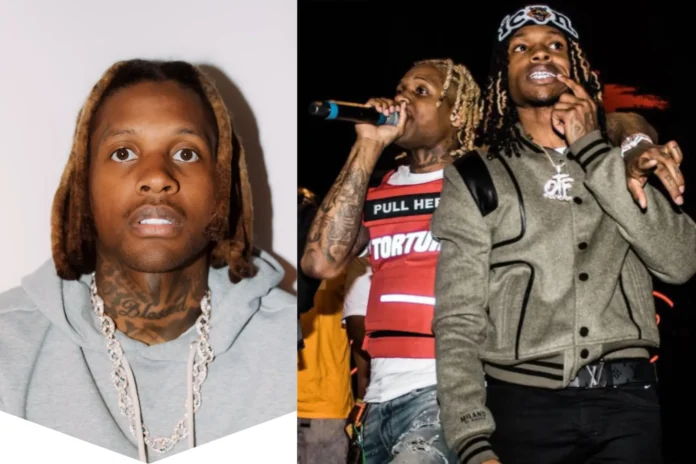
Federal prosecutors unveiled explosive new details this week in the racketeering case against Lil Durk, accusing the Chicago powerhouse of greenlighting attacks on O Block members mere days after King Von’s tragic 2020 death. Locked up since his October arrest, Durk Banks faces claims that he weaponized his Only the Family collective to deliver savage retribution. Fresh court filings, drawing from a sealed witness statement, describe Durk seething at O Block’s reluctance to hit back against rivals and directing allies, including OTF’s Deandre Wilson, to open fire on the block and take down whoever crossed their path. The orders allegedly followed closely on Von’s fatal shooting outside an Atlanta nightclub, a moment that tore open wounds in the drill community and ignited fresh rounds of street conflicts.
Von and Durk carved out legacies from the unyielding streets of Chicago’s South Side, their music pulsing with the fierce energy of Parkway Gardens. O Block, Von’s stronghold within the Black Disciples network, stood as a beacon of that ironclad loyalty. But in this telling, prosecutors cast Durk as the ruthless overseer, supposedly funneling label money to punish those who wavered. These allegations weave into a larger tapestry of violence, including a bungled 2022 ambush on Quando Rondo that claimed his cousin’s life, fueled by suspicions Rondo factored into Von’s demise. Backed by a mountain of wiretaps, messages, and more, authorities recast OTF as a full blown engine of intimidation rather than a tight knit music family.
Durk’s lawyers counter that the narrative is fabricated heat, twisting artistic expression into a noose around a trailblazing Black creator. They’ve lodged motions to scrap chunks of the indictment for being too loose under RICO laws, while bond hearings spotlight his spotless history despite the surrounding storm. His brother, Dontay Banks Jr., caught in the same dragnet, raises the personal toll even higher. Loyal supporters keep his streams surging with homage tracks, a testament to an influence that outlasts any legal storm.
Jail brings its share of twists, too. Late last August, guards allegedly busted Durk with a contraband Apple Watch and say he tried to smash it to pieces.
Snatched at the Los Angeles Metropolitan Detention Center, the device violated strict protocols designed to curb unauthorized talks that might tamper with justice. According to officials, this bid to wreck it mirrored earlier judicial warnings over sneaky phone use, ramping up the scrutiny of his compliance.
Such incidents harshly illuminate the precarious balance for celebrities behind bars, where even a simple wearable can swing decisions on security and release. These gadgets often evade detectors, enabling off-the-grid conversations that threaten case integrity, so authorities crack down fiercely through contraband rules to safeguard everyone involved.
In a probe this volatile, it bolsters pushes for hidden juries and denied bail, sketching Durk as someone who tests every boundary. Still, it humanizes the grind: solitude can spark wild impulses, and for an artist wired to connect, cutting those lines feels like starving the soul. In a broader note, reforms like the Restoring Artistic Protection Act, reintroduced this summer to curb the weaponization of lyrics in court, might blunt some of these artistic assaults.
But episodes like this gadget scramble underscore how everyday tech lures pull at folks in the system, no matter their fame.
To the TikTok generation layering drill flows over everyday vibes, Durk’s battle reflects their own grind against rigged setups. With his trial now slated for January 2026 after recent delays, it casts a glare on the fuzzy border between hood narratives and courtroom scripts.
hotnewhiphop.com Whatever the verdict, it challenges us: will rap stitch up the very corners it chronicles, or forever amplify the echoes of gunfire?