

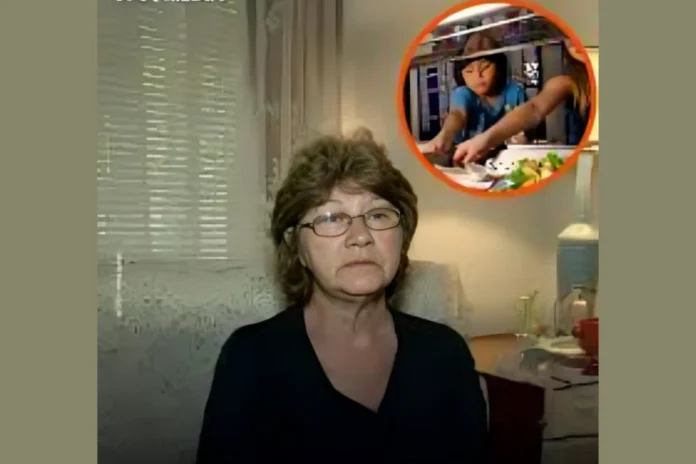
In Wilmington, Ohio, a veteran cafeteria worker got the boot after handing out free or extra food to kids who couldn’t afford it, sparking fresh arguments about how schools deal with hungry students.
Debbie Solsman had been at Denver Place Elementary for 14 years when she was let go. School bosses said she broke the rules by not charging for meals. This happened back in 2017, but it’s blowing up again on social media in 2025, with people getting really upset and pushing for changes in school lunch setups.
A tweet from X.
Solsman owned up to giving kids more food if they were still hungry after their regular portion, and sometimes she’d just waive the charge when they had no cash. A few times, she even paid out of her own pocket, jotting down IOUs that came out of her wages.
She told WCPO, the local news station,
“When a kid says they’re hungry, do I just brush it off and say, ‘Tough luck, that’s all for today’?”
The folks at Wilmington City Schools insisted their guidelines are straightforward every meal has to be logged and paid for, no exceptions. They pointed out that no kid ever goes without a complete lunch protein, fruit, veggies, grain, milk all thanks to the National School Lunch Program (NSLP). For them, firing her was about sloppy accounting, not being mean.
This whole mess boils down to pitting kindness for starving kids against rigid budget regs. Schools in the NSLP have to follow federal rules to the letter, tracking every single meal.
Lots of places give “alternative” meals to kids who can’t pay like a plain cheese sandwich. People slam this as “lunch shaming,” saying it embarrasses the kids and makes their hunger even worse.
Solsman wasn’t having it.
“How could I give a kid a cold sandwich while everyone else gets hot food?”
She said.
She’s not the only one this has happened to. Back in 2015, a Colorado kitchen boss named Della Curry got fired for feeding a broke first-grader. Then in 2019, Bonnie Kimball in New Hampshire lost her gig for letting a student eat on credit.
These stories shine a light on a bigger problem Feeding America says about one in six American kids deals with food insecurity, per their 2023 numbers. The NSLP feeds almost 30 million students daily, with around 20 million getting free or cheap meals. But plenty of families slip through, leaving lunch ladies stuck between rules and real-life hunger.
A few states are trying to fix it. New Mexico passed the “Hunger-Free Students’ Bill of Rights” in 2017, outlawing shaming and making sure every kid gets a full meal no matter what. Ohio? Not so much.
Solsman’s case went viral first in 2017, and now in 2025, X posts about it are racking up thousands of likes and shares. Tons of folks call her a hero, blasting the school for caring more about forms than kids.
Locals stepped up, offering her work and showing support from businesses. Groups fighting hunger used it to argue for overhauling meal debt policies.
On the flip side, school admins and supporters say bending rules risks losing federal bucks and messes up the books, which could tank the whole program.
At the end of the day, Debbie Solsman’s story shows how cafeteria staff are right in the trenches of America’s kid hunger fight. They’re supposed to police the money but also face kids who show up empty-bellied.
Like she said,
“Yeah, I bent the rules. But I couldn’t stare a hungry child in the face and say no.”
It still hits home, not just as some small-town drama, but as a mirror for how we balance heart with bureaucracy especially when it’s kids on the line.

