

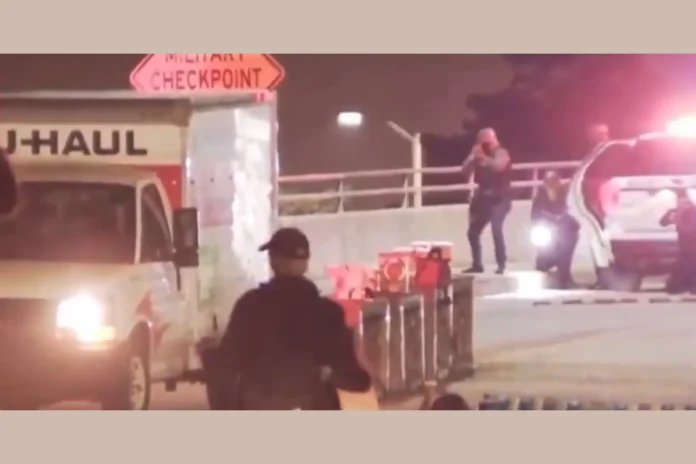
The chaotic moment unfolded around 10 p.m. on October 23, just as the day’s heated immigration protests began to wind down. Security teams at Coast Guard Base Alameda had already managed crowds of demonstrators blocking the entrance earlier that afternoon. Those gatherings opposed federal agents staging operations there for broader immigration sweeps in the Bay Area. By nightfall, only a handful of people lingered near the gate on Coast Guard Island, a narrow bridge linking the base to the mainland.
Witnesses described the truck, which had sat parked nearby for hours, lurching backward without warning. Officers shouted commands to halt, their lights flashing in the darkness. When the driver ignored them and accelerated, guards unleashed a barrage of 20 to 30 rounds. The volley stopped the vehicle cold for a split second. Then the driver shifted forward, sped off briefly, circled back to park on a side street, and slipped away on foot into the shadows.
No one at the scene saw immediate signs of severe injury inside the truck, though bullet holes riddled its side panels. Soon after, two men arrived at nearby hospitals with gunshot wounds, and officials suspect one might be the driver. Paramedics treated possible bystanders clipped by the truck during its wild maneuvers, but details on their conditions remain unclear as investigators piece together the whole story.
This clash capped a day of raw emotions in Alameda and Oakland, where residents rallied against plans for intensified federal raids. Organizers kept the demonstrations mostly peaceful, with signs calling for neighborly protection amid whispers of family separations. Local leaders, including Congresswoman Lateefah Simon, voiced firm support for sanctuary principles, urging calm while criticizing the federal push as out of step with community needs. Across the bridge, Assemblymember Buffy Wicks echoed that sentiment, highlighting how such operations strain trust between neighbors and enforcers.
From my vantage point, covering Bay Area flashpoints for years, this episode reveals how quickly rhetoric on immigration can ignite real-world risks. Federal guidelines under the Department of Homeland Security stress targeted enforcement to safeguard communities, yet when protests collide with security perimeters, the human cost climbs fast. Guards acted to protect lives in a split second, but the driver’s motives remain murky, leaving questions about intent versus panic. As probes by Coast Guard, local police, and highway patrol dig deeper, families in the crosshairs deserve answers prioritizing healing over headlines.
Alameda officials closed the bridge temporarily for evidence collection, and no arrests are tied directly to the shooting yet. The base, a hub for West Coast operations since 2012, reopened its gates by dawn on October 24. Community groups plan follow-up vigils, hoping to channel the tension into dialogue rather than division.
