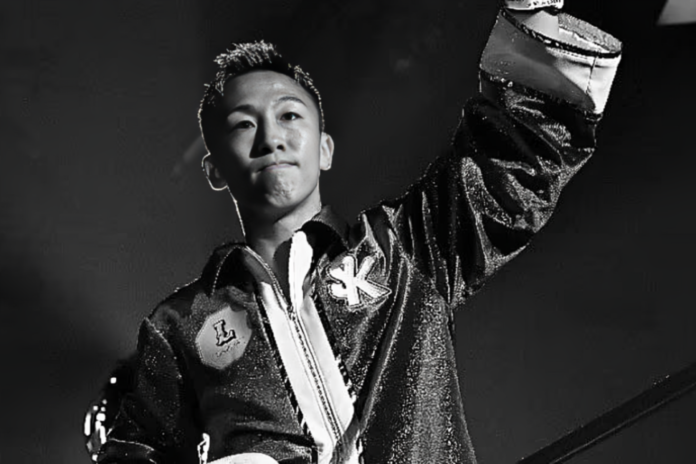
It was a deafening roar in Korakuen Hall on August 2, 2025. Under the bright lights, Shigetoshi Kotari emerged for what was going to be a defining moment for his career against the OPBF Super Featherweight Title champion, Yamato Hata. For 12 grueling rounds, the two men traded punches, and the fight was so evenly contest that the bout ended via a split draw. Minutes later, when fans were still cheering, Kotari was found seated in his corner and leaned forward.
Before he was taken to a Tokyo hospital, the Japan Boxing Commission (JBC) said later, the 28-year-old already had a subdural hematoma hemorrhage between the skull and the brain, a leading cause usually caused by repeated blows to the head. Emergency surgeons performed a craniotomy to relieve the pressure, but Kotari was never awake again. He passed away on August 8, six days later, in intensive care.
Born in Nagoya and fighting out of Kanagawa, Kotari had turned professional in 2019. His record 8 wins, 2 draws, 2 losses, with 5 knockouts marked him as a rising contender in Japan’s super featherweight division. Renowned for his skill and indomitable will, Kotari’s final Instagram post, a day before the bout, was:
“I’ll most certainly be a champion ???????? … Thank you very much for your support!”
Battle against Hata was to be his stepping stone to a grander platform. It, however, turned out to be the last page of his career.
A subdural hematoma is when blood accumulates between the dura mater, tough outer covering of the brain, and the brain. This can result from a single hard blow or the cumulative impact of repeated hits. Symptoms can take minutes or several hours to appear and can include headaches, nausea, confusion, and loss of consciousness, states the Cleveland Clinic and the Mayo Clinic. Immediate surgery is often the only way to prevent fatal swelling.
The World Boxing Organization posted:
“A warrior in the ring. A fighter in spirit. Gone too soon.”
The World Boxing Council issued its own statement of condolence, while fellow fighters and fans expressed grief online. Former champion Daniel Roman wrote,
“My sincere condolences… RIP Champ.”
Journalist Max Calendrillo noted that Kotari was
“applauded by fans in his final moments. Heartbreaking.”
The August 2 event was doubly grim. On the same card, boxer Hiromasa Urakawa also required emergency surgery for a brain bleed after his bout. JBC Secretary-General Tsuyoshi Yasukawa called the back-to-back incidents
“a sobering reminder of boxing’s risks.”
Within days, the JBC reduced the maximum number of rounds for certain regional title fights including OPBF and WBO Asia Pacific events in Japan from 12 to 10. The measure, announced on August 8, aims to lessen cumulative head trauma, at least until a broader review is complete.
A tweet from X.
Medical experts are urging a series of safety upgrades in the wake of Kotari’s death, including mandatory MRI scans both before and after fights, improved ringside medical equipment, and longer recovery periods between bouts. These proposals mirror global calls for reform following other high-profile tragedies, such as the February 2025 death of Irish boxer John Cooney from an intracranial hemorrhage.
Kotari’s passing has united Japan’s boxing community in grief and reflection. While nothing can undo the loss, the regulatory changes sparked by his death may ripple through the Asia-Pacific boxing scene and beyond, reshaping how the sport safeguards its athletes.
In the words of the WBO, Kotari was “a fighter in spirit.” In death, he may yet become a catalyst for a safer future in boxing.