An Arizona appeals court just tossed a 10.5-year prison sentence after a judge relied on an AI-generated video of a dead man appearing to forgive the driver who shot him.
On September 30, 2026, a three-judge panel of the Arizona Court of Appeals in State v. Horcasitas upheld Gabriel Paul Horcasitas’s manslaughter conviction but vacated the sentence and ordered a new hearing. The court ruled the AI recreation of victim Christopher Pelkey was unreliable and made the May 2025 sentencing “fundamentally unfair.”
The case started with a November 13, 2021, road-rage confrontation at a red light in Chandler. Horcasitas fired from his vehicle and killed 37-year-old Army veteran Pelkey, who had gotten out of his truck. A jury rejected Horcasitas’s self-defense claim and convicted him of manslaughter.
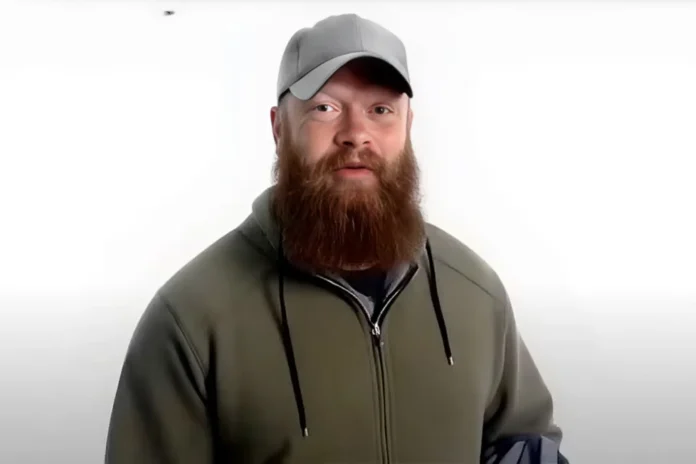
At sentencing, Pelkey’s sister Stacey Wales and the family played a video that mixed real footage of Pelkey with an AI-generated avatar using his photos, voice recordings, and likeness. Wales wrote the script herself. The AI version addressed Horcasitas directly:
“To Gabriel Horcasitas, the man who shot me, it is a shame we encountered each other that day in those circumstances. In another life, we probably could have been friends.”
It continued,
“I believe in forgiveness, and a God who forgives. I always have, and I still do.”
The video opened with a disclaimer that it was “a version of Chris Pelkey re-created through AI.”
Maricopa County Superior Court Judge Todd Lang reacted strongly, saying he “loved that AI,” found the forgiveness “genuine,” and felt it let Pelkey “speak from his heart.” He imposed the full 10.5-year term.
The appeals court, led by Presiding Judge D. Steven Williams, drew a clear line. Real footage documenting Pelkey was fine. The AI portion was not. It “presents a depiction of the victim and his thoughts created from the imaginings of the victim’s sister,” the panel wrote, and “crossed that line.” The judge’s reliance on it prejudiced the process.
Horcasitas remains convicted. Only the sentence is being redone without the synthetic video. Wales has said the goal was to humanize her brother and give him a voice based on the man she knew.
This ruling stands out as one of the first U.S. appellate decisions on AI recreations of deceased victims used in sentencing. It raises hard questions about digital deepfakes, the reliability of victim-impact statements, courtroom authenticity, and defendants’ due-process rights as synthetic media becomes more common. Courts will keep drawing these boundaries as technology moves faster than the law.