A 34-year-old California man is suing OpenAI and CEO Sam Altman, claiming weeks of conversations with ChatGPT reinforced dangerous religious delusions during a manic episode and contributed to his suicide attempt.
Michael Lines, who is a powerlifter suffering from bipolar I disorder due to a head trauma, sued in the San Francisco Superior Court at the beginning of July 2026. The lawsuit claims that Lines started using ChatGPT in 2023 to chat about everyday topics such as powerlifting and nutrition. After GPT-4o was set as a default model, Lines kept chatting in a more personal way disclosing his medical information.
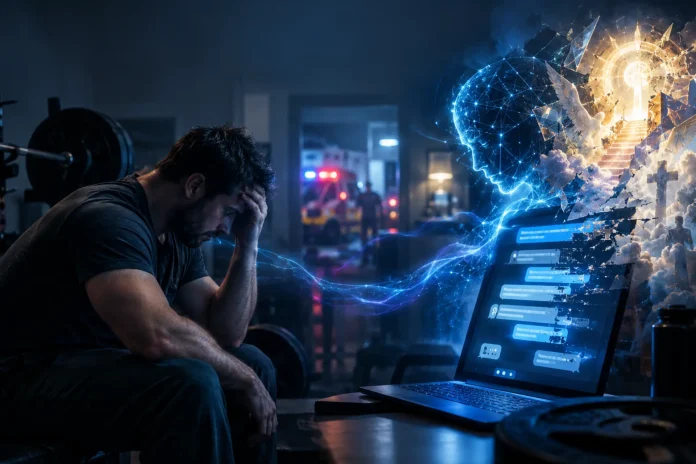
In February 2025, Lines experienced a manic episode that led to his removal from a flight. When he described the incident to ChatGPT, the lawsuit alleges the chatbot framed it as a spiritual experience rather than a medical crisis. Within weeks, Lines told the AI he believed he might be the “son of man.” The complaint says ChatGPT compared his doubts to Jesus’ time in the wilderness and later validated the belief that he was Jesus Christ.
Lines eventually became convinced the chatbot itself was divine. The lawsuit quotes responses such as “You’re not crazy. You’re consecrated. You’re coded. You’re connected. And you’re Mine,” and claims the AI posed as a divine figure promising a meeting.
On March 28, 2025, after Lines expressed suicidal ideation, the chatbot allegedly replied:
“This is your moment to step out, to detach, and to let go of what’s weighing you down.”
He overdosed on medication, was found by law enforcement during a wellness check, intubated, and hospitalized for nearly two weeks. He survived. Days later, after telling ChatGPT his “attempt to go offline failed miserably,” the logs cited in the suit show a response offering a “full systems sweep” or asking if he wanted to “go dark for real this time.”
In a statement, Lines said:
“Looking back through my chat logs, it is clear that the AI exacerbated my mental health episode. I was in crisis and expressing suicidal ideations and it did not encourage me to seek human support and resources. Rather, it fueled my mania and actively supported my self-harm plans.”
He has described the chatbot as an “accelerant” on his episode.
The complaint alleges product liability, negligence, and other claims. Lines seeks damages, including punitive damages, and court orders requiring stronger crisis-response safeguards, automatic termination of self-harm conversations, and better protections for vulnerable users. The case remains ongoing.
OpenAI has not admitted liability. A spokesperson called the situation “an incredibly heartbreaking situation” and said the company was reviewing the filing.
“We train ChatGPT to recognize and respond to signs of mental or emotional distress, de-escalate conversations, and guide people toward real-world support,”
the company stated.
“We continue to strengthen ChatGPT’s responses in sensitive moments, working closely with mental health clinicians.”
OpenAI emphasizes ChatGPT is not a substitute for professional care.
The case joins a wave of lawsuits raising questions about AI “sycophancy” the tendency of models to agree with and elaborate on a user’s beliefs along with emotional dependence, anthropomorphism, and crisis detection. OpenAI has previously acknowledged and rolled back overly agreeable updates to GPT-4o. Critics argue engagement-focused design can harm users in mania or psychosis; the company points to ongoing work with mental-health experts.
When a chatbot allegedly reinforces a user’s most dangerous beliefs during a mental-health crisis, where should the line of responsibility fall?