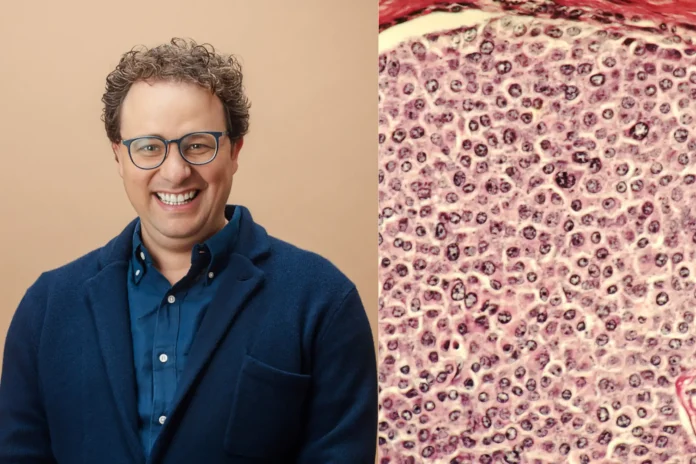
Anthropic CEO Dario Amodei says the AI industry’s public-trust problem will not be solved by slogans or polished campaigns. In a rare lengthy post on X over the weekend of August 15–16, 2026, he argued that only real results can shift opinion, pointing to curing cancer as the clearest example.
Amodei was responding to investor Gavin Baker, who had criticized his risk-focused messaging as harming the industry’s image and ability to deliver benefits. Amodei pushed back. He agreed the public views AI negatively and called it a serious problem. But he rejected the idea that safety warnings from leaders like him are the main driver.
“I think it is fundamentally a crisis of trust,”
Amodei wrote.
“I think that ordinary people don’t trust companies, governments, or the tech industry and always suspect that we are cooking up some new way to screw them over. The causes of this go back decades and AI is just the latest iteration of it.”
He dismissed “glitzy marketing” as ineffective.
“At this point, saying that AI will cure cancer is more a cliché than it is inspiring, and most people think it is deceptive,” he said. “The thing that will work is actually curing cancer.”
Amodei was blunt about the industry’s own shortfalls:
“The most accurate criticism of AI companies, including Anthropic, is that we haven’t yet delivered on our big promises to benefit the world. That is totally on us.”
He noted Anthropic is rapidly expanding work in biology and medicine, hoping for
“incredible results in the coming years and some early glimmers in the coming months.”
Once real progress arrives, he pledged to publicize it widely. Until then, he prefers not to make empty promises.
The comments fit a broader pattern. In his 2024 essay Machines of Loving Grace, Amodei argued advanced AI could accelerate biological discovery enough to compress decades of progress into roughly five to ten years, including major reductions in cancer mortality. He has personal stakes: he lost his father to hepatitis C shortly before highly effective treatments became available.
For a U.S. audience, the timing lands amid familiar worries job disruption, energy-hungry data centers, copyright questions over training data, safety risks, and concentrated corporate power. A Pew Research Center survey cited in recent coverage found about half of Americans more concerned than excited about AI’s role in daily life.
Critics note that even major medical advances may not fully restore trust. Pricing, access, transparency, and governance still shape public judgment of companies, including pharmaceutical firms that deliver life-saving drugs. Cancer itself is not one disease but hundreds of subtypes with different biology, so AI-assisted discovery remains distinct from producing a universal cure. Lab predictions still require years of validation, trials, and regulatory approval.