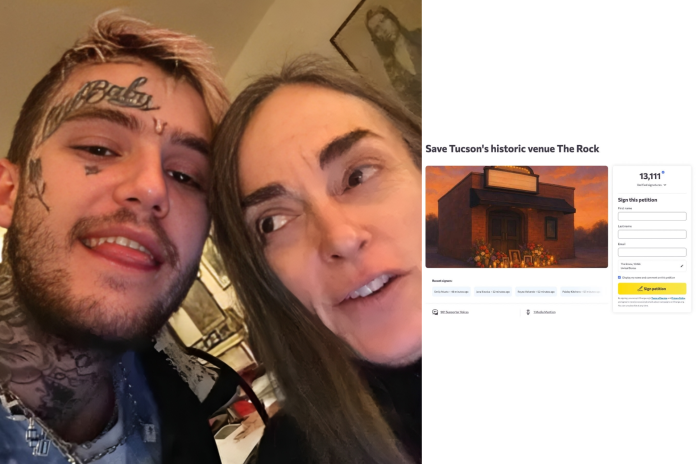
For fans of Lil Peep, the thought of losing the spot where he spent his final hours brings a wave of raw grief and urgency to protect his memory. The Rock in Tucson, Arizona, stands as more than a music venue—it became the heartbreaking site tied to the young artist’s tragic end on November 15, 2017. Liza Womack, his mother, has shared how learning about the potential demolition felt like a fresh blow, reopening wounds from losing her son eight years ago. She describes the ongoing fan tributes there as a vital way to affirm that Gustav Elijah Åhr existed and mattered deeply to so many.

On that night, the 21-year-old emo-rap pioneer, whose real name was Gustav Elijah Åhr, was scheduled to perform at The Rock during his tour. Instead, he was found unresponsive on his tour bus parked outside the venue after accidentally overdosing on fentanyl-laced Xanax. Toxicology reports confirmed lethal levels of the substances, ruling the death accidental and linked to struggles he had openly addressed in his lyrics about pain, addiction, and mental health. Fans quickly created a memorial at the site, which has evolved into a touching space featuring a mural, plaque, handwritten messages on rocks, flowers, and other tributes left by visitors from around the world.
This connection explains why the venue holds such profound emotional significance for Womack and Peep’s global fan base. She has never visited Tucson herself but emphasizes how the memorial keeps her son’s spirit alive through the love and stories shared there. The possibility of its destruction stirs fears of erasing a rare physical place where people can grieve, connect, and celebrate his influence on youth culture and music.
Currently, The Rock remains owned by Kent Van Stelle, who has run it since the late 1990s and originally opened an earlier version of the space in the 1970s. Ascent Property Company is under contract to purchase the property for a new residential development, though the sale has not closed as of late 2025. This clash between cultural preservation and urban growth adds layers to the emotional debate, as supporters argue for honoring personal and artistic legacies in changing cities.

Womack’s petition to save the venue has drawn widespread support, reflecting the deep bonds fans feel. Many see The Rock not just as a building but as a sanctuary for processing loss and finding community. Balancing these heartfelt ties with Tucson’s housing needs will likely shape discussions ahead, potentially influencing how similar sites are handled in the future.