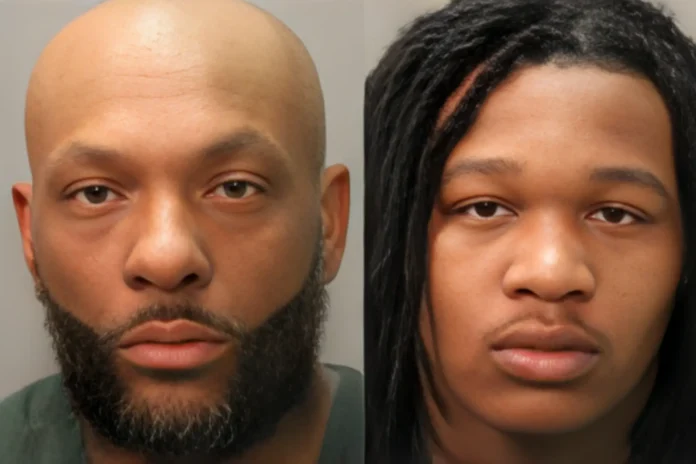
Abdul Robinson Sr. is set to face the judge on November 21, 2025, for his sentencing. He’s been charged as an accessory after the fact in the 2020 killing of Charles “Lil Buck” McCormick Jr. What really stands out here is that he ended up testifying against his own kid, the Jacksonville rapper Hakeem “Ksoo” Robinson. It’s ripped open some ugly family drama, all tangled up in the messy world of local rap beefs. Stories like this just hammer home how brutal the fallout can be in Florida’s hip-hop scene feuds that don’t just end careers but tear apart families and loyalties.
This all kicked off back on January 15, 2020, when 23-year-old McCormick got gunned down outside a shopping plaza in Jacksonville. Prosecutors pinned it on revenge, stemming from a diss track McCormick dropped that took shots at Abdul Robinson Sr.’s late stepson, Willie Addison, who was killed in a 2019 drive-by shooting.
A tweet from X.
Fast forward to July 2025, and a jury found Ksoo and his cousin, Leroy “ATK Scotty” Whitaker Jr., guilty of first-degree murder. On October 1, 2025, they both got slapped with life sentences, no chance for parole. Trial details painted a picture of a cold setup witness Dominique “Butta” Barner told the court how Ksoo chased McCormick down and fired shots while Whitaker handled the wheel.
Abdul Robinson Sr., who’s 54 now, got picked up in September 2020 for allegedly helping the suspects dodge the cops. Stuff like giving them rides, burning clothes to ditch evidence, and hiding other bits and pieces. His other son, Abdul Robinson Jr., just copped a plea recently and wound up with 12 years for similar accessory stuff.
Staring down a possible 60-year stretch, Abdul Sr. cut a deal to cap it at 20 years if he cooperated. Being an accessory after the fact basically means you help someone skip out on consequences post-crime, without being in on the actual deed.
During the trial, he pointed out Ksoo in some video footage.
“You know how he moves? Yeah,”
He said.
“His build, all that? Yeah.”
And when they asked straight up who the shooter was, he just said,
“My son.” Pressed for the name: “Hakeem.”
He talked about his health problems and wanting to stick around for his family as reasons for flipping.
“I gotta be there for my kids,”
He put it, and you could feel the weight of it all.
In the rap game, ratting out family or anyone in your circle is pretty much the ultimate no-go, clashing hard with that whole “no snitching” code. But let’s be real plea deals happen all the time. Stats from the U.S. Sentencing Commission show over 90% of federal cases end that way. For folks outside the U.S., it means most people bargain to dodge worse outcomes at trial.
Rap lyrics factored in big here too, with the prosecution pulling from Ksoo’s tracks and social posts to build their motive case. It’s allowed in court, but it stirs up arguments about whether someone’s art should ever be used against them like that.
Word spread fast on social media, with a No Jumper post on X dropping a clip about Abdul Sr.’s deal and upcoming sentencing. Comments were brutal, calling him out for snitching, which just mirrors that deep-rooted aversion in hip-hop culture.
Jacksonville’s rap world has been rough, with at least five artists getting killed since 2017, mostly linked to gang stuff and ongoing rivalries. Take Julio Foolio’s murder in 2024 it’s a stark reminder of the dangers lurking. Abdul Sr.’s call to testify puts family ties right up against the demands of justice, something that echoes in the words of McCormick’s mom, who urged people to think twice about music that pumps up violence.
As someone covering this beat, it’s clear we need to dig deeper into how local cops and leaders tackle the underlying issues poverty, easy access to guns rather than just locking folks up one by one (for more on that, check out the bigger picture of Jacksonville’s rap scene, where poverty, gangs, guns, and a shot at fame all mix in complicated ways).