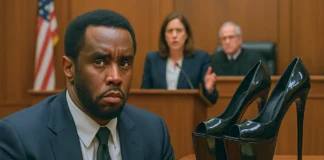
On July 2, 2025, Sean “Diddy” Combs, the hip-hop mogul who shaped a generation of music, was convicted on two counts of transportation to engage in prostitution under the Mann Act. The New York City federal trial, a media firestorm, saw him acquitted of graver charges like racketeering and sex trafficking, which could have meant life in prison. Now, as he awaits sentencing on October 3, 2025, Combs remains in custody after bail was denied, and reports of his enrollment in rehabilitation programs have sparked debate about his intentions.
After a seven-week trial and three days of jury deliberation, Combs, 55, was found guilty of two counts related to transporting individuals, including ex-girlfriends Cassie Ventura and a woman known as “Jane,” for prostitution. The Mann Act, a century-old law, prohibits moving people across state lines for such purposes. While cleared of racketeering and sex trafficking, which carried life sentences, Combs faces up to 20 years for the convictions 10 years per count. U.S. District Judge Arun Subramanian denied bail, citing Combs’ history of violence, ensuring he stays at Brooklyn’s Metropolitan Detention Center until sentencing.
A tweet from X.
The trial, starting May 5, 2025, laid bare allegations of Combs’ darker side. Prosecutors painted him as a predator who used his Bad Boy Records empire to coerce women into drug-fueled “freak-off” sex sessions with male escorts. Testimonies from Ventura and Jane detailed abuse, blackmail, and coercion, supported by hotel surveillance footage showing Combs attacking Ventura. Rapper Kid Cudi also testified, alleging Combs orchestrated arson against him. Yet, the defense argued these were consensual acts within a “swingers lifestyle,” a claim that swayed the jury to acquit on the most severe charges.
Since the verdict, Combs has enrolled in the STOP Program, a prison initiative tackling domestic violence, and a drug abuse program led by Dr. Harry K. Wexler, alongside therapy for substance use and abusive behavior. Some see this as genuine reform from a man reflecting on his past.
“He’s working on behavioral change,”
an insider told Page Six. Others, including legal analysts, view it as a calculated move to sway Judge Subramanian, who holds wide sentencing discretion. The U.S. Sentencing Commission notes such programs can reduce sentences by up to 15% in non-violent cases, though outcomes vary.
Prosecutors are pushing for 51–63 months (roughly 4–5 years), citing Combs’ history of violence, including Jane’s testimony of a 2024 assault. The defense argues for 21–27 months, emphasizing his time served since his September 2024 arrest.
“We fight on, and we’re not going to stop until he walks out a free man,”
said attorney Marc Agnifilo. Judge Subramanian could factor in Combs’ rehabilitation efforts or lean toward a harsher penalty given the evidence of abuse.
The acquittals on sex trafficking and racketeering charges drew sharp criticism from survivors’ advocacy groups like UltraViolet, who warned the verdict could silence victims.
“It’s a stain on a system that fails to hold abusers accountable,”
said interim director Arisha Hatch. The trial fueled global conversations about celebrity justice and power dynamics, with social media reflecting divided sentiments some fans chanted “Free Diddy!” outside court, while others decried a culture that overlooks victims. The case’s fallout, including dozens of civil lawsuits, continues to haunt Combs’ legacy.