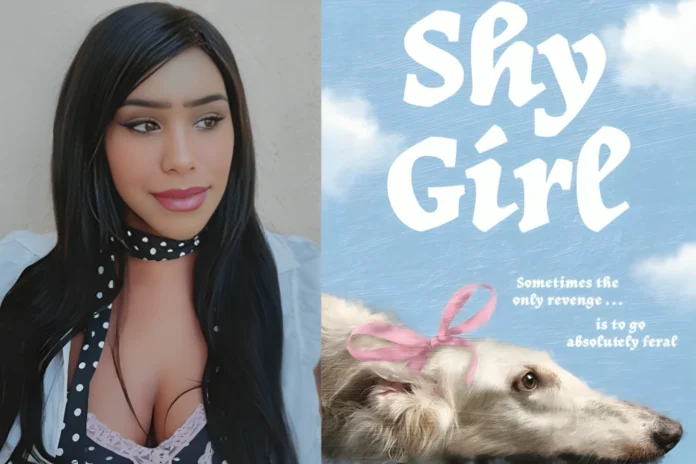
Hachette Book Group has pulled the horror novel Shy Girl by Mia Ballard from sale and scrapped its planned U.S. release after an internal review confirmed suspicions of significant AI involvement in the book’s creation.
The decision, first reported by The New York Times on March 19, 2026, represents what appears to be the first time a major Big Five publisher has withdrawn a commercial title over concerns about substantial AI-generated or AI-assisted content. Hachette cited its policy requiring authors to disclose any use of AI tools, stressing the company’s commitment to “original creative expression and storytelling.”
Shy Girl — billed as a “femgore” revenge horror tale blending dark eroticism, psychological tension, and violent retribution — follows a young woman drawn into a controlling, humiliating relationship with a wealthy man before exacting brutal payback. It drew comparisons to titles like Rachel Yoder’s Nightbitch and Lisa Taddeo’s Animal.
Ballard originally self-published the book in February 2025, where it built a modest online following, earning over 4,900 Goodreads ratings at an average of around 3.52 stars. Hachette acquired it for its UK Orbit imprint (released November 2025), selling roughly 1,800 print copies per NielsenIQ BookData figures. A U.S. edition was set for spring 2026.
Concerns about AI surfaced soon after the self-pub launch and gained momentum in late 2025 and early 2026. Readers on Reddit communities like r/horrorlit and r/books, along with Goodreads reviewers, highlighted traits often associated with AI prose: repetitive phrasing, overwrought metaphors, melodramatic tone, and occasional logical inconsistencies. A viral YouTube breakdown by creator “frankie’s shelf” labeled passages as “AI slop” and helped fuel wider discussion.
An independent analysis by Pangram — run by CEO Max Spero — examined the full text and flagged approximately 78% as AI-generated or heavily AI-assisted, with Spero sharing the results publicly on X in January 2026.
Following questions and evidence presented by The New York Times, Hachette launched a thorough review across its U.S. and UK divisions. On March 19–20, the publisher announced it would cancel the U.S. release, discontinue the UK edition, and remove the book from major retailers including Amazon and its own site.
In a statement emailed to The New York Times late March 19, Ballard denied personally using AI to write the novel. She attributed the issue to an acquaintance hired to edit the earlier self-published version, claiming they incorporated AI tools without her full knowledge or approval.
“This controversy has changed my life in many ways and my mental health is at an all time low and my name is ruined for something I didn’t even personally do,” Ballard wrote. She noted she could not share additional details due to ongoing legal action, presumably against the editor in question.
Reactions online remain split, with some applauding Hachette’s stance on originality and others questioning whether the author was genuinely unaware or if detection methods are precise enough for such decisive action.
Shy Girl is now effectively unavailable through traditional channels, though digital copies or self-published remnants may still circulate in limited form. The incident underscores the industry’s evolving response to AI’s growing role in book creation.