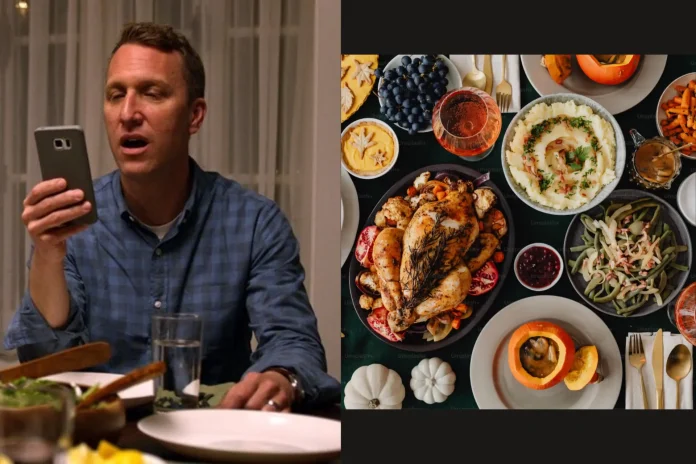
The table is set with warm plates of food, laughter should fill the air, but instead notifications ping while Mom scrolls through emails and Dad checks the score. Nearby, the kids might glance at a tablet or cartoon on the TV, but it’s the parents who can’t seem to put their phones down. Have adults become the biggest source of digital distraction at the dinner table?
A new peer-reviewed study published online June 15, 2026, in JAMA Pediatrics suggests exactly that. Researchers surveyed 357 U.S. parents or primary caregivers of children ages 4–10 and found that 77.6% of parents used media during their most recent family meal, compared with 68.7% of children. Smartphones were the go-to device for parents, while kids more often turned to televisions, tablets, or handheld games.
Lead author Jiawen Wu, along with co-authors Matthew A. Lapierre and Cecilia Sada Garibay of the University of Arizona, highlighted what they call “technoference” the way digital devices interrupt real family interactions. Garibay noted in related commentary that even brief moments of connection matter:
“Dedicating just 5 minutes each day to sit/stand together, engaging in conversation, can yield significant benefits.”
The numbers paint a clear picture. More than two-thirds of families reported both parents and children using media at the same meal. Parent-only use happened in 12.3% of households, while child-only use was rare at just 3.4%. Use patterns were largely independent one person grabbing their phone didn’t necessarily trigger the other.
Together at the table once helped kids feel steadier inside, eat better foods, even avoid poor choices. Still, when glowing rectangles take center stage, sitting together may look like being apart while sharing a room.
That said, the study has limitations. It is a cross-sectional online survey relying on parent recollections of just one recent meal. It does not prove cause and effect, nor does it represent every American family. Demographic patterns varied, with higher paired (parent + child) use among Black families and more individual use among Asian families.
One idea from specialists such as Dr. Margie Skeer at Tufts? Try a weekly meal without any screens maybe half an hour counts. While big TVs together can bring people closer, phones in hand tend to quiet the talk. Though not every dinner needs rules, small breaks from devices may help.
These days, meals at home often happen alongside glowing screens. Phones sit beside plates where conversation used to lead. Some folks slide their devices into a bowl when they eat, making room for talk instead. Others keep scrolling between bites, treating notifications like background noise. Dinner now splits down the middle quiet presence on one side, constant pings on the other. Does stepping away from gadgets help families feel closer? Or does living online just fit naturally into shared moments now?