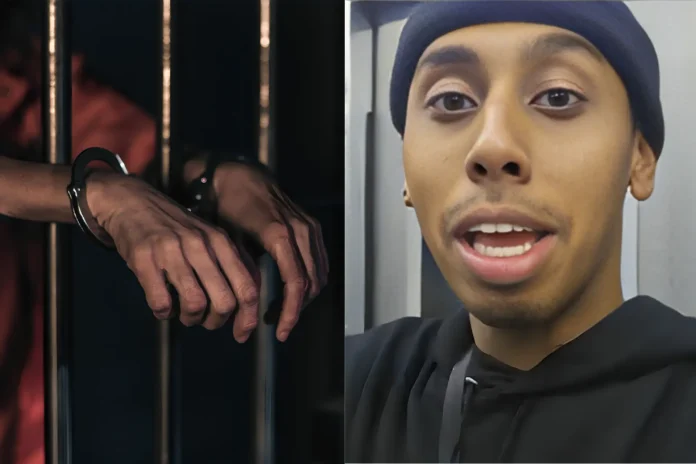
Controversial American livestreamer Johnny Somali is back in headlines after a leaked handwritten letter from a South Korean prison described his time behind bars as surprisingly upbeat.
The streamer, whose real name is Ramsey Khalid Ismael, claimed inmates treat him like a celebrity and said the experience feels
“kinda like a hotel, just without my phone or laptop.”
He also asked for Game of Thrones books and screenshots of his social media coverage.
In the letter addressed to supporter Lee Han-ul, Somali wrote that he is
“having fun” and “staying healthy and laughing a lot.”
He added:
“Many shake my hand and always say hello or yell ‘soooooomali!!’”
from other cells.
The letter, first shared by YouTuber Legal Mindset in mid-May 2026, quickly spread across Dexerto, X, YouTube channels, and influencer news sites. Dexerto’s post paired a selfie of Somali with imagery of handcuffed prisoners, underlining the sharp contrast between his claims and his actual situation.
A tweet from X.
Somali also thanked the supporter for gluing a TV schedule to the wall and requested English books on the stock market to prepare for a future as a stockbroker, along with paperback fiction to pass the time.
That day in April two thousand twenty-six, a judge in Seoul decided the young man would spend six months plus twenty days doing work behind bars. Trouble started when he messed up others’ live streams, shared fake porn made to look like fellow broadcasters, then kept causing scenes in public. His actions broke rules meant to keep online spaces safe, stop people from working peacefully, and prevent digital harm aimed at individuals just trying to share their lives online
Three years was what prosecutors wanted. Not much damage done to those affected that’s why the punishment ended up shorter, though time behind bars starts right away because he might run. Appeal already filed by Somali. Working with kids, young adults, or anyone disabled? That won’t happen for five years.
Outrage spread fast after his behavior in South Korea livestream chaos, then that moment at the comfort women statue. People reacted strongly, voices rising from all corners.
Prison conditions in South Korea generally involve structured routines and labor. Reports of shared cells and limited amenities contrast with Somali’s upbeat tone.
The story highlights how controversial internet figures keep shaping narratives even while incarcerated. Somali built his brand on provocative “nuisance” streaming across countries like Japan and South Korea, often facing bans from platforms such as Twitch and Kick.
Critics argue his letter shows detachment from the seriousness of the charges and cultural harm caused. Supporters see it as him staying positive. Either way, the leaks keep engagement high and fuel debates about influencer accountability, misinformation risks, and the power of online personas.
As his appeal continues, Somali’s prison correspondence keeps him relevant proving that for some digital provocateurs, the content never really stops.