

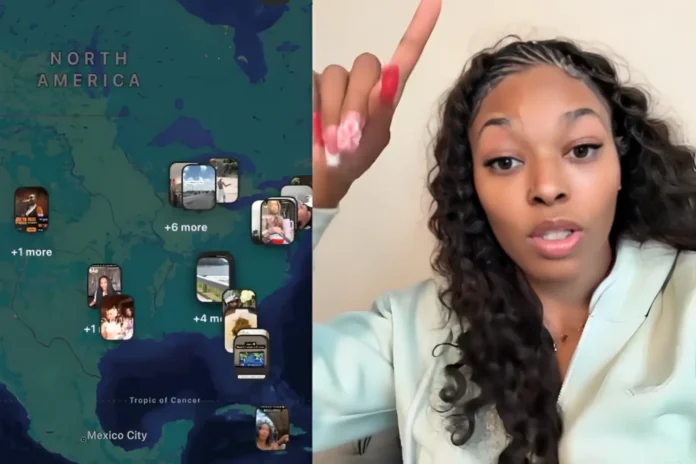
Your exact location could be visible to strangers on Instagram right now, and users are freaking out. On August 6, 2025, Instagram launched a new feature called Instagram Map, letting people share their live locations with followers or selected friends. It’s meant to help you connect at events or meetups, but it’s sparking major safety concerns, reminiscent of real-world violence stemming from online disputes, as previously reported in a case where a social media feud led to a fatal shooting.
Here’s the scoop on what this feature does, why it’s risky, and how to protect yourself. Instagram Map sits at the top of your Direct Messages inbox, marked by a map icon. You can choose who sees your location: all followers, Close Friends, specific people, or nobody.
It’s off by default, so you have to opt in to share. When you do, it updates your location every time you open the app or use it in the background, showing details as precise as the street or building you’re in. Even if you don’t share, you can check out location-based Reels, posts, or stories from accounts you follow, which stay up for 24 hours.
For teens, parents get a heads-up if location sharing is on and can control who their kid shares with. The idea of broadcasting your exact whereabouts has users rattled. Many worry about stalkers, harassers, or creeps exploiting the feature.
One person on X posted,
“Just checked that Instagram maps shit & I just need y’all to know, you can zoom in on the map all the way down to the street names & landmarks. Turn that shit off. Like right now.”
Another vented,
“Instagram is stupid as hell for that new map feature. People are already mentally unwell and crazy, and you want these same people to be able to use a map feature on INSTAGRAM?!”
These reactions show real fear that precise location data could put people in danger, echoing a broader sentiment of user frustration with platform features, similar to our recent coverage of a prominent influencer’s ex-girlfriend calling out social media platforms. Privacy experts are sounding alarms too. Even if you control who sees your location, you might not realize how Instagram uses that data for ads or personalization.
If you’re not careful, you could accidentally share with the wrong crowd, which is especially risky for anyone escaping an abuser. The feature feels a lot like Snapchat’s Snap Map, which got heat for similar reasons, and that’s not reassuring. No laws specifically block this kind of feature, but some rules apply.
In Europe, the General Data Protection Regulation (GDPR) demands clear permission to use location data, letting users opt out. In the US, the California Consumer Privacy Act (CCPA) gives people the right to know what data’s collected and stop it from being sold, including location info. For kids under 13, the Children’s Online Privacy Protection Act (COPPA) requires parental consent for data collection, a critical safeguard in an environment where online deception is rampant, as detailed in our report on a viral star facing claims of lying about her age.
Still, these laws don’t fully tackle the risks of real-time tracking, and enforcement’s spotty, especially for teens. Instagram swears the feature is safe since it’s optional and off by default, but plenty of users say they didn’t even notice it until someone pointed it out. To protect your privacy and ensure your Instagram Map safety, head to Settings > Device Permissions > Location and pick “Never.” You can also tap the map icon in DMs and hit “Not Now” or turn on invisible mode.
Experts suggest sharing only with people you trust, avoiding public posts, and double-checking your privacy settings regularly. One X user summed it up:
“This is a good Instagram map location feature but NOT SAFE! Please carefully choose your mutual friends that can see your location.”
The uproar over Instagram Map shows how much people care about digital privacy these days. Location data is sensitive stuff, and with this feature, you’ve got to stay sharp.
Whether you’re scrolling casually or watching out for your kids, knowing how to manage this tool is key to keeping safe online.
This news piece draws from Meta’s official statements and social media buzz as of August 7, 2025.


[…] Instagram Map Safety: New Feature Shares Your Live Location | Hypefresh […]