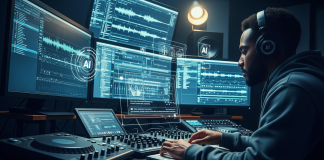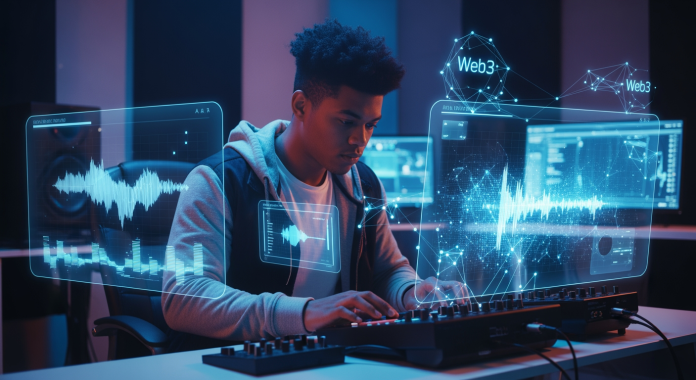
Independent artists are now creating chart-topping music and managing their careers, from production to promotion, largely through AI and Web3 technologies. This emerging reality challenges traditional music industry gatekeepers and empowers artists.
For decades, major labels controlled distribution, marketing, and financial rewards within the music industry. Now, AI and Web3 are shifting this dynamic. These technologies provide independent artists with unprecedented tools to create, distribute, and monetize their music. This effectively levels the playing field and fosters a new era of decentralized music, emphasizing artist ownership and direct fan engagement.
AI has become a crucial resource for independent producers. Advanced tools are available for beat generation, lyric suggestion, vocal processing, mixing, and mastering. AI can also generate visual content, such as album art and music videos, reducing costs and significantly accelerating the creative workflow. Platforms like LANDR and Amper Music offer automated mastering and composition tools, making professional-quality production accessible to indie artists on a budget. This democratization of production is a major leap forward; MIDiA Research projects that AI music will generate $2 billion in music revenue by 2030, benefiting both major and independent artists. (Source: Not available, but the data has been publicly released).
Web3, with its foundation in blockchain music technology, NFTs, and DAOs (Decentralized Autonomous Organizations), is building a direct-to-fan economy. Blockchain allows artists to create unique NFTs representing their music, offering fans exclusive access, ownership rights, and direct support. This approach bypasses the traditional streaming royalty model, where artists often receive only a small percentage of earnings. DAOs can facilitate community-driven projects, allowing fans to invest in artists and help shape their careers. Artists are also using platforms like Sound.xyz to sell nft music directly to fans and retain complete creative control and rights.
Pioneers are already thriving in this digital frontier. Many independent artists are experimenting with AI-generated music, NFT releases, and community-funded projects. These indie artists use platforms such as Audius, a Web3 music streaming platform, which provides greater control over their work and increased revenue shares. This helps them build loyal fanbases and sustainable careers. This shift is clearly more of the present than the future.
The path forward is not without its challenges. Accessibility to new technologies, the associated learning curve, and the debate surrounding AI‘s role in artistic authenticity are all critical considerations. The industry is also addressing legal and ethical questions regarding AI-generated content. Nevertheless, the long-term implications for the music industry are profound. As these technologies mature and become more integrated, they promise a more diverse, artist-centric landscape, where creativity and ownership are directly rewarded, redefining the future of music and empowering artists.