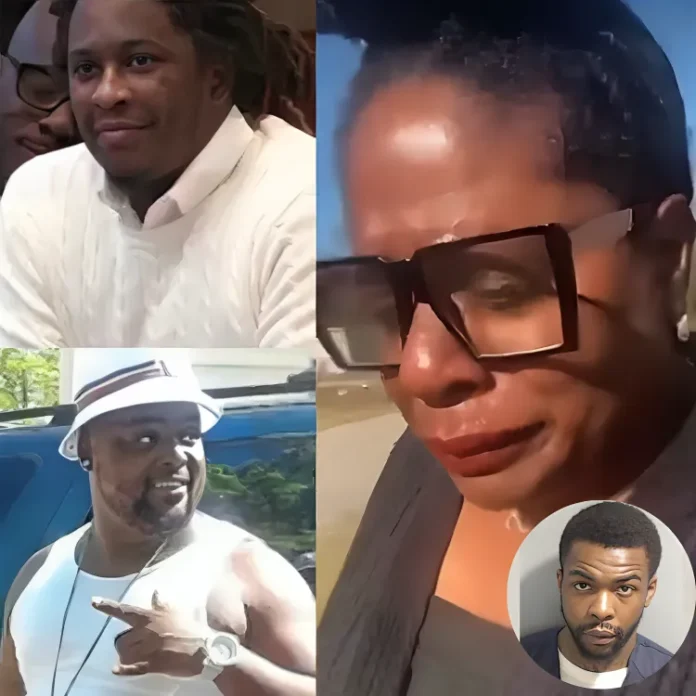
The mother of Donovan Thomas Jr., affectionately known as Nut, made an emotional visit to her son’s grave in the aftermath of the December 3, 2024, controversial conclusion of the YSL trial. It came days after a jury acquitted the remaining two defendants, Deamonte Kendrick and Shannon Stillwell, of significant charges connected to the case enthralling national attention. ” I’m disappointed,” she said, echoing the frustrations of families who feel justice has eluded them.
The YSL trial is among the longest and most followed criminal trials in Georgia, where prosecutors have argued that YSL was a violent street gang. Prosecutors relied on lyrics and social media posts to prove racketeering and conspiracy under the state’s RICO Act. Rapper Young Thug, legally named Jeffery Williams, is an extremely popular cultural figure who was at the heart of the case. He pleaded guilty to several counts in October 2024 and received probation after serving time.
The acquittal of Yak Gotti, whose given name is Deamonte Kendrick, and Shannon Stillwell of murder and racketeering charges in the killing of Donovan Thomas Jr. in 2015 has outraged many citizens. Stillwell was convicted of possession of a firearm by a convicted felon. He received time served and was placed on probation. As supporters of those acquitted celebrated, the outcome frustrated critics who saw the result as reflective of deeper systemic issues that face prosecutors in gang crime cases.
For Nut’s mother, the acquittals were in so many ways a crushing blow. Her son, whose 2015 murder was a focal point of the trial, has become a symbol of the lives lost to gang violence. “This isn’t justice,” she said during her somber visit to the cemetery. The flowers she placed on his grave stood in jarring contrast to her sense of unresolved grief. Her disappointment is shared by others impacted by gang violence, who feel the judicial system often fails to hold perpetrators accountable.
The trial has reopened questions about where artistic expression ends and criminal evidence begins. Prosecutors leaned on rap lyrics and social media posts to argue YSL’s gang affiliations—a strategy critics say infringes on First Amendment rights. Meanwhile, legal experts point to the inherent difficulty in linking defendants to gang-related crimes beyond a reasonable doubt. This case has brought to light the emotional toll such legal battles take on victims’ families and communities struggling with violence. The YSL verdict has left a void for families like Nut’s, who continue to grapple with the unresolved pain of losing a loved one.
As the defendants leave prison, the shadow of gang violence and questions of justice also linger. For Nut’s mother and many more, the verdict is no less than a personal heartbreak- a time for sober reflection on what accurate accountability means in a society crying out for peace and equity.