

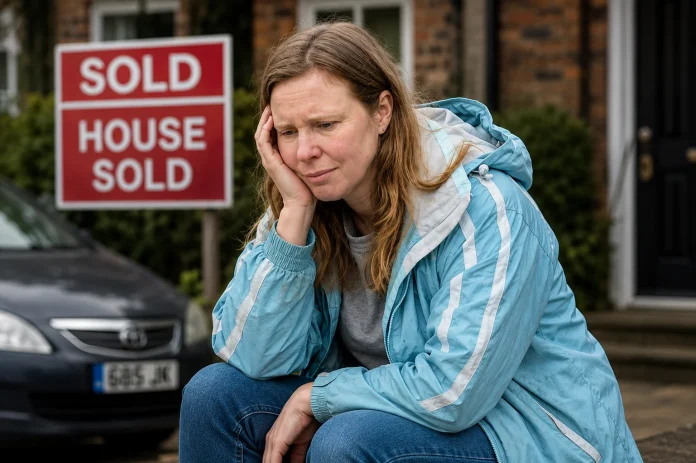
A British mother of two has been left homeless after sending more than £250,000 to online scammers who posed as Hollywood actors and pop stars and convinced her they were in love with her.
Jennifer Barton, a 44-year-old NHS healthcare worker from Kidderminster, Worcestershire, spent two years entangled with fraudsters who contacted her on Facebook and Instagram before shifting conversations to Telegram. The impostors claimed to be Vikings actor Alexander Ludwig, Sons of Anarchy star Charlie Hunnam, Westlife’s Nicky Byrne and country singer Michael Ray, among others.
Barton has said the scammers reached her at a particularly low point. She had recently lost her mother and an aunt and was in the middle of a divorce. “I was in a very vulnerable situation when it first started and they picked up on that,” she told reporters. “I was at rock bottom.”
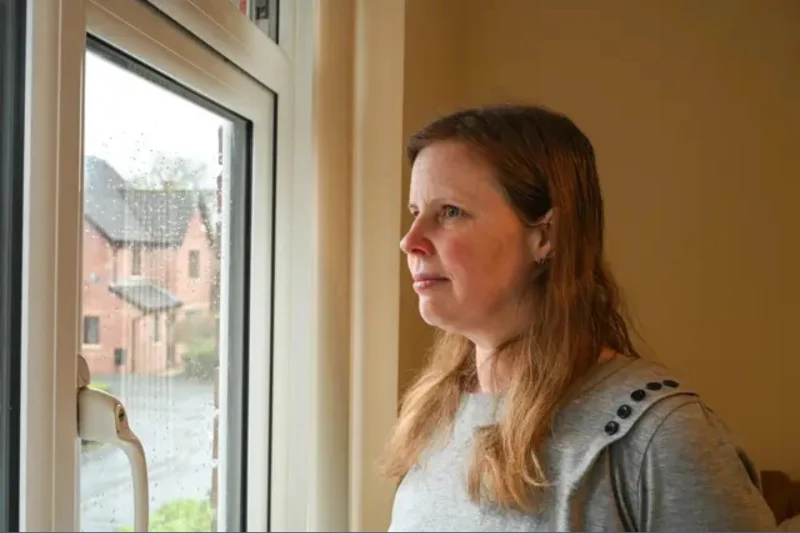
The first contact came from an account pretending to be Ludwig. After early flirtatious chats, the scammer asked for money within a month, citing court fees. Over the next year Barton sent him £6,000 in cash and another £6,000 in Bitcoin. A second Ludwig impersonator later claimed he could help catch the original fraudster and recover her money, taking more than £100,000 in the process.
One scammer posing as Hunnam was exposed when his accent failed to match during a video call. The most costly deception involved a fake Michael Ray. He sent a photo that lined up with the real singer’s Instagram and claimed to run a charity that would cover her bills if she sent funds first, promising to return £140,000. Under that pressure, Barton sold her house for £111,000 and her car. Nearly all of the house-sale proceeds went to the scammer.
“They all told me that they loved me and wanted to marry me, wanted to come to England and be with me,” Barton said. The fraudsters offered a steady stream of excuses—messy divorces, arrests, contract issues, being robbed in London—while keeping the romantic attention flowing. “There was an addictiveness,” she admitted. “When someone gives you attention, even if it’s a scammer, it’s nice. They play on your feelings.”

By the end of 2025 Barton had no savings left. Her children went to live with their father. She is now staying in temporary shared accommodation while waiting for emergency housing. She finally confronted the reality of the situation before Christmas, when the last scammer repeatedly refused to meet in person.
Barton has reported the fraud to Action Fraud. The case remains under review. She has also hired solicitors in an effort to recover some of the money and is speaking publicly in the hope of preventing others from being targeted the same way.
“For anyone facing anything similar, just reach out to family and friends,” she said. “Especially if they’re asking you for money.”

