

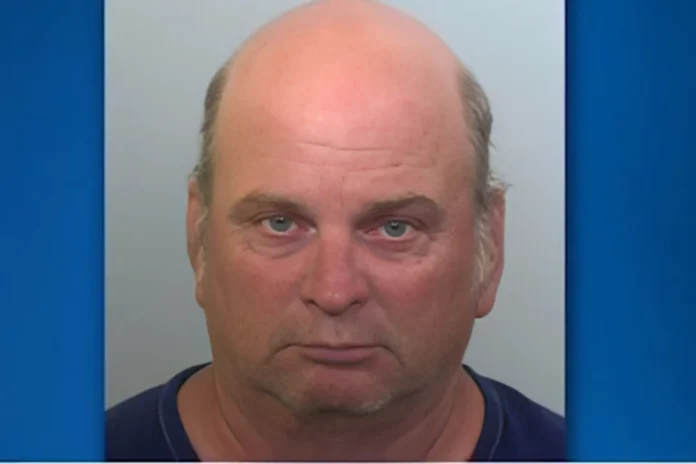
Jeffrey Moynihan, a 56-year-old resident of Bradenton, Florida, built that false connection starting in 2023. He used a phony profile mimicking the Tesla and SpaceX CEO, pulling details from Musk’s public posts to seem authentic. Over time, their daily chats shifted from casual talk to urgent pleas for investment help in supposed high-stakes business deals. Moynihan promised her a staggering $56 million return if she fronted the cash for what he called secure opportunities tied to Musk’s empire.
She believed him, wiring funds bit by bit until the total hit nearly $600,000. Bank records later showed at least $250,000 flowing straight to accounts under Moynihan’s control, linked to his painting and pressure washing business. Her 80-year-old husband grew worried and tipped off police in Frisco, Texas, sparking a cross-state probe that traced the money back to Florida.
Officers from the Bradenton Police Department’s Elder Fraud Unit moved fast. They arrested Moynihan at his home in November 2024, right as a real SpaceX launch lit up the night sky, a detail that drove home how far removed the true Musk was from this plot. Body camera video captured the moment: officers on his porch, reading charges of grand theft, while he stood shirtless and stunned.Last week, in Manatee County court, Moynihan entered a no-contest plea to the felony counts. The judge handed down one year in jail, followed by almost 30 years of probation, a punishment that has sparked debate over whether it matches the scheme’s deep emotional toll on victims like this grandmother, who defended the online bond to her family right up to the end.
This story cuts deeper than one con artist’s greed. It exposes how romance-fueled investment frauds prey on loneliness in later years, blending sweet words with get-rich promises to erode trust one message at a time. In 2023 alone, older adults lost $1.13 billion to scams overall, with imposter schemes like this one fueling a fourfold jump in reports of $10,000 or more losses since 2020, and combined high-dollar hits over $100,000 climbed to $445 million. These numbers paint a grim picture of vulnerability, where a single overlooked red flag can wipe out decades of security, leaving families to pick up shattered pieces long after the scammer vanishes.
What strikes me most in covering these cases is the quiet desperation scammers exploit, turning social media into a hunting ground for isolated lives. Yet hope lies in the growing pushback: dedicated units like Bradentons are closing in faster, and simple habits can shield against the next wave. Take the basics, like double-checking any big money request through official lines, or chatting openly with family about online friends.
Resources abound to build that armor, from AARPs elder abuse prevention guide to the Bradenton Policies elder fraud toolkit. Even the FBIs elder fraud hub lays out clear paths to report and recover.Anyone can fall for these traps, but awareness turns the tide. If a deal sounds too good, pause and verify.
