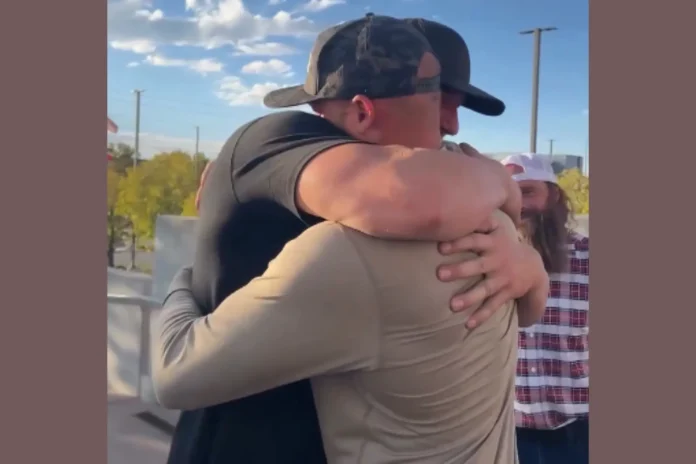
David Sparks, otherwise referred to as the “Heavy D” of that Discovery Channel reality series “Diesel Brothers,” was freed from the Salt Lake County jail on October 10, 2025. He had only spent a few days incarcerated after being rounded up on a federal bench warrant. All this fuss is related to an ongoing court battle over the environment, and it is quite an unexpected thing to have reality TV fame attached to an allegation of civil contempt in this large pollution case. According to court documents and what his attorney reports, Sparks was released after an injunction setting-officer’s hearing where he agreed to provide some information.
Sparks rose to stardom with “Diesel Brothers,” the show that ran from 2016 to 2020. The reality show was all about custom diesel trucks, many with modifications that increased the power but raised environmental concerns. His businesses, such as Diesel Power Gear and Diesel Sellerz, gained an enormous following among automotive enthusiasts, particularly “rolling coal” enthusiasts that thing where trucks instead of trucks exhaling great big puffs of black smoke intentionally, turns out to be highly controversial.
The lawsuit got underway in 2017 when an organization named Utah Physicians for a Healthy Environment (UPHE) essentially a group of docs and activists went to court against Sparks and partners under the Clean Air Act. They alleged the crew was tampering with emissions systems on trucks they sold, emitting far too much pollution in a state already bad off with air quality issues.
This case dragged on for years in Utah’s U.S. District Court. In 2020, Judge Robert J. Shelby sided against Sparks, nailing them for hundreds of Clean Air Act violations. He slapped on around $850,000 in fines and a permanent ban on any more tampering. They appealed to the 10th Circuit in 2021, but the court mostly backed the ruling, calling their actions “flagrant,” though it sent back some bits about the penalties for tweaking.
By 2021, there was an order to cough up $843,602 in fines and legal fees. When they didn’t pay up, the court found them in contempt first in June 2024, then again in August 2025 after Sparks shuffled some property around in ways that broke the rules. On October 2, 2025, Judge Shelby put out the arrest warrant for not complying. Sparks got arrested on the 7th and was out by the 10th once he met the “purge” conditions, like spilling details on his assets.
Testimony in court provided an ugly picture of the pollution One truck purchased by UPHE as a test pollutant produced 36 times the statutory limit for nitrogen oxides and 21 times the level of particulate matter it was supposed to. Examples like this demonstrate the role that citizen suits under the Clean Air Act have in filling the gaps when the regulators fail.
Key point This was all civil contempt, meant to force compliance, not criminal stuff. Sparks could’ve gotten out anytime by paying or doing what the court wanted, as laid out in the contempt order you can find on Justia.
His lawyer, Cole Cannon, set the record straight:
“Mr. Sparks wasn’t arrested for any crime. No one’s even alleged or charged him with one.”
Cannon called UPHE “zealous environmentalists” and said the whole thing felt over the top.
Sparks has described the lawsuit as a total “nightmare,” owning up to
“some mistakes in our early business days”
But pushing back on how harsh the penalties are. On the flip side, UPHE sees it as a big win for public health, stressing how these truck mods make Utah’s bad air even worse.
The whole thing has split people down the middle, with diesel fans on one side and eco-advocates on the other. Sparks has over 8 million followers on social media, and a lot of them think the fines are just punishing success, while critics hammer on the health dangers in areas with crappy air. It’s a snapshot of bigger U.S. debates, where folks’ love for customizing rides butts heads with efforts to fight climate change.
Looking bigger picture, this kind of crackdown might mean more eyes on celeb-backed businesses that bend environmental rules. It could pave the way for similar busts as air standards get tougher. If you want the nitty-gritty on the appeal, check out the 10th Circuit’s ruling.