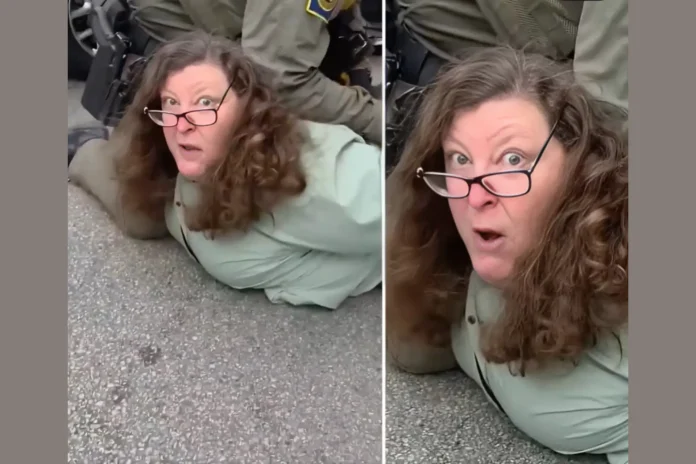
On the morning of October 10, 2025, on Foster Avenue in the Lincoln Square neighborhood, cellphone video captured federal agents in tactical gear taking a woman to the ground. Shocked bystanders shouted and recorded as the woman, face down on the pavement, identified herself: “Debbie Brockman. I work for WGN. Let them know.”
Brockman, once a creative services producer at WGN-TV, holds U.S. citizenship yet found herself caught in Operation Midway Blitz, a sweep tied to immigration enforcement by federal agents. Held for about half a day, then let go with no criminal accusations. By early June 2026, she moved forward with a $10 million administrative claim through the Federal Tort Claims Act targeting the U.S. government citing claims like unwanted physical contact, unlawful detention, being wrongly arrested, and severe mental anguish caused intentionally.
Brockman says she was headed to work, just stepping toward a bus stop, when officers brought her down without warning. Lawyers from the People’s Law Office explain it happened fast her body pushed hard into pavement by federal agents. During the fall, fabric pulled aside, revealing skin along her lower back and part of one hip. Pain followed: marks on her arms, constant head pressure, stomach discomfort, fear that wouldn’t lift. What sticks most is how ordinary the morning felt before everything cracked open.
“Agents accosted her, tackling her and violently throwing her to the ground, battering her,”
Her legal team stated. Attorney Brad Thomson has argued the incident raises serious questions:
“Federal agents wearing masks might grab people on their way to jobs. These officers carry weapons. They push individuals into vans without signs. What happens next stays hidden. Streets turn quiet after such moments. Citizens vanish during morning routines. No one sees where the vehicles go. Official stories rarely follow. Fear spreads without loud announcements. Quiet disappearances speak loudly enough”
The Department of Homeland Security offers a different account. Officials say Brockman threw objects at a U.S. Border Patrol vehicle during the operation, leading to her arrest for assault on a federal officer. She denies the allegation, and no charges were ever filed. The dispute remains unresolved, with no public bodycam footage released to independently confirm either version.
Midway Blitz focused on people with past convictions, yet sparked backlash in Chicago over how authorities conducted raids. Protests emerged after witnesses described aggressive moves by federal officers during operations. Rights advocates questioned whether standard procedures went too far, possibly impacting innocent residents nearby.
One person speaking up sparked wider talk across the country how border actions touch everyday lives, what rights people hold, who answers when things go wrong. Brockman’s move follows a necessary path someone must take if they later want to challenge in court. Time remains open for officials to look into facts and reply.
As the claim proceeds, it highlights ongoing tensions in how federal operations balance public safety with individual rights on city streets.