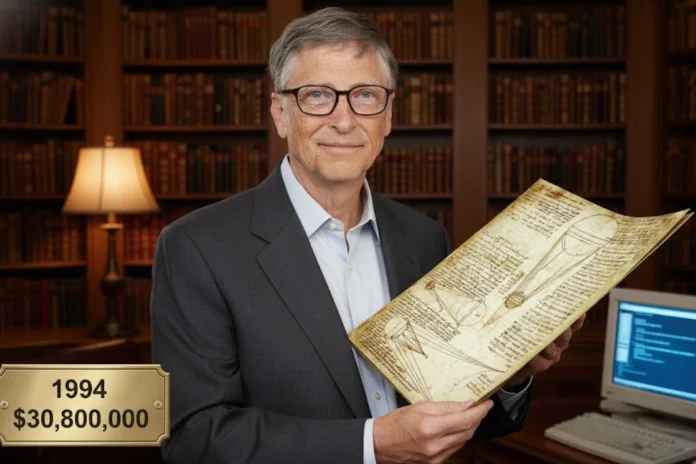
In an era of viral conspiracy theories claiming that tech billionaire Bill Gates has hidden away forbidden knowledge, one of his most famous possessions tells a different story. The Codex Leicester, a 72-page scientific manuscript handwritten by Leonardo da Vinci between 1506 and 1512, remains one of the world’s most valuable books – and far from locked in a vault.
Gates purchased it in 1994 for a record-breaking $30.8 million (equivalent to about $65 million today). Yet rather than burying its secrets, he has shared it widely through digitization, public exhibitions, and even early Microsoft software.
A Window into da Vinci’s Scientific Mind
Written in da Vinci’s famous mirror script (readable only with a mirror or when reversed), the Codex Leicester is no ordinary notebook. Compiled on high-quality rag paper during his time in Florence and Milan, it contains 18 folded sheets creating 72 pages filled with intricate observations and groundbreaking ideas.
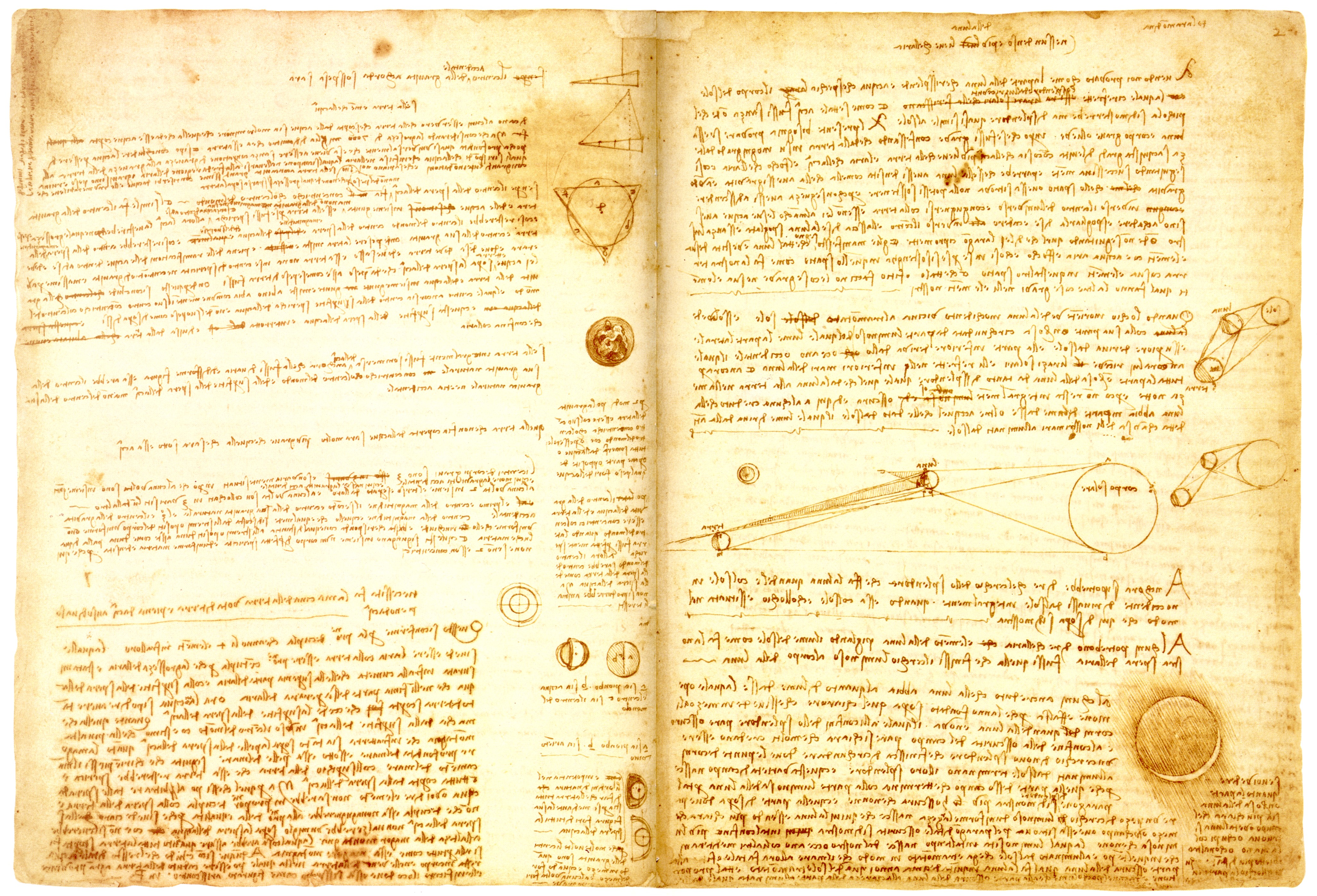
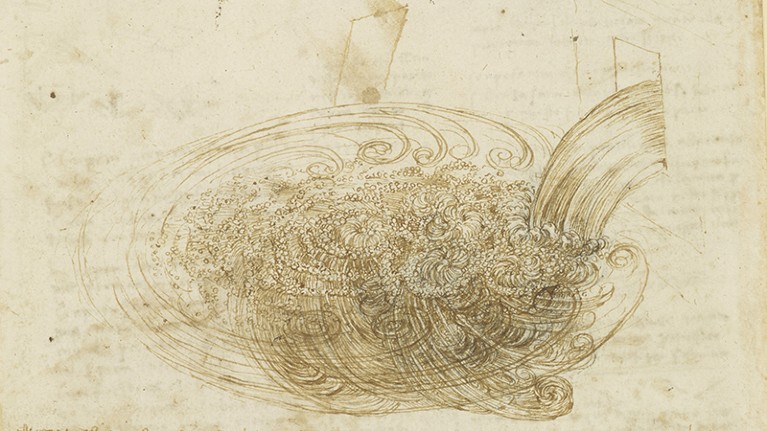
The manuscript focuses primarily on the movement and properties of water – rivers, waves, vortices, erosion, and engineering solutions like canals and bridges. Da Vinci also explored geology, correctly explaining why marine fossils appear on mountaintops as evidence of ancient seabeds being uplifted long before modern plate tectonics.
His astronomical insights were equally remarkable: he theorized that the Moon’s surface is covered with water that reflects sunlight, accounting for its glow and the faint “earthshine” seen during crescent phases.
These pages showcase da Vinci’s relentless curiosity, blending art, observation, and experimentation centuries ahead of his time.
From Renaissance Italy to Modern Ownership
After da Vinci’s death in 1519, the manuscript passed through various hands before being acquired in 1719 by Thomas Coke, the 1st Earl of Leicester – giving it its name. It stayed in the Leicester family until 1980, when it was sold to industrialist Armand Hammer (who briefly renamed it the Codex Hammer).
Following Hammer’s death, Christie’s auction house in New York offered it for sale on November 11, 1994. Gates, inspired by da Vinci’s blend of creativity and scientific thinking, placed the winning bid, setting a record for the most expensive manuscript ever sold.
Far From Hidden: Digitized and Exhibited Worldwide
Contrary to claims of secrecy, Gates has made extraordinary efforts to share the codex. Shortly after purchase, he commissioned full high-resolution digitization. In the 1990s, interactive CD-ROM versions were released, and pages even appeared as screensavers in Microsoft products like Windows 95 Plus! and Windows 98.
The physical manuscript is loaned annually for public exhibitions. It has appeared in museums across the globe, including:
- Sydney (2000)
- Tokyo (2005)
- Florence (2018–2019, for the 500th anniversary of da Vinci’s death)
- Various U.S. cities like Minneapolis and Phoenix
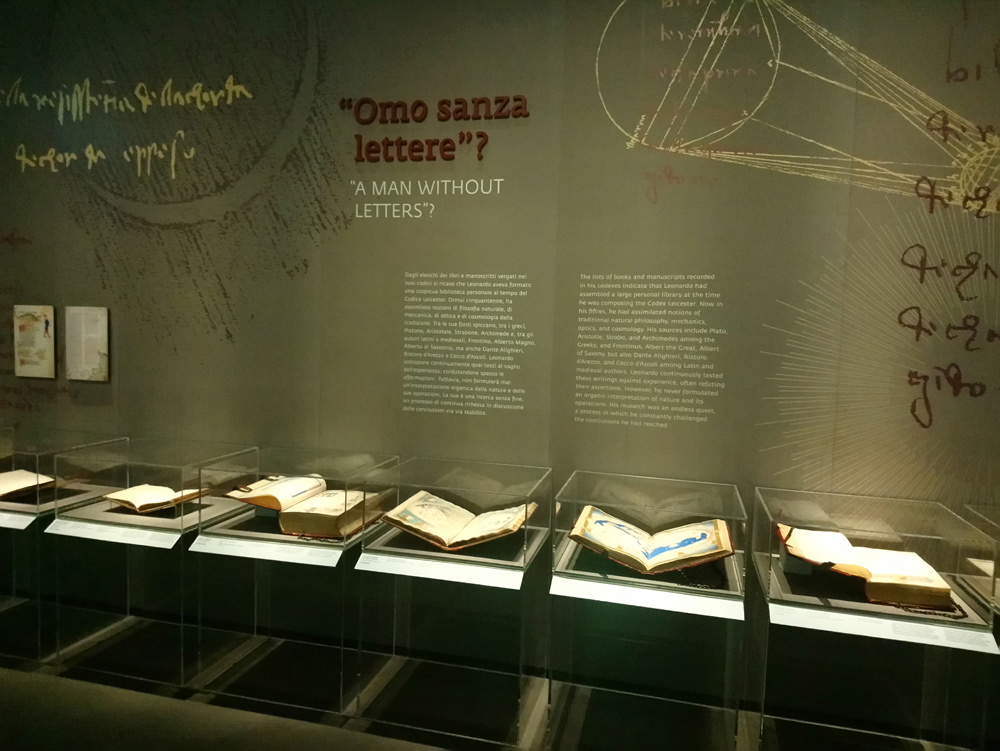
High-quality scans and translations remain accessible through archives and museum resources.
For Gates, the codex is more than a collector’s item – it’s a continuing source of inspiration. “Leonardo was this ultimate Renaissance man who combined art and science,” he has said, noting how da Vinci’s curiosity continues to influence his own approach to problem-solving.
In a world quick to spin conspiracy theories, the Codex Leicester stands as a reminder of what open curiosity and shared knowledge can achieve – a 500-year-old testament to human ingenuity, proudly preserved and presented by one of today’s leading innovators.