
Quavo, the Atlanta rapper and former Migos member, has been hit with a federal tax lien totaling nearly $2.9 million, according to public documents reported by TMZ and XXL. The alleged debt covers three years of unpaid federal taxes, spanning 2021 through 2023.
The lien, filed in January 2026 in Georgia, claims Quavo owes $915,660 for 2021, $887,486 for 2022, and $1,109,497.79 for 2023, including penalties and interest. The filing gives the Internal Revenue Service a legal claim to Quavo’s assets, including his reported 11,000-square-foot Alpharetta, Georgia, home, until the debt is resolved.
As of early March, Quavo — whose legal name is Quavious Keyate Marshall — has not publicly commented on the lien.
The news comes amid a wave of tax-related scrutiny in hip-hop. Quavo’s former Migos bandmate, Offset, settled a $1.5 million IRS lien in December 2025 for unpaid 2022 taxes. That settlement was finalized after Offset paid the full amount, showing that high-profile tax disputes can often be resolved with negotiation or lump-sum payment.
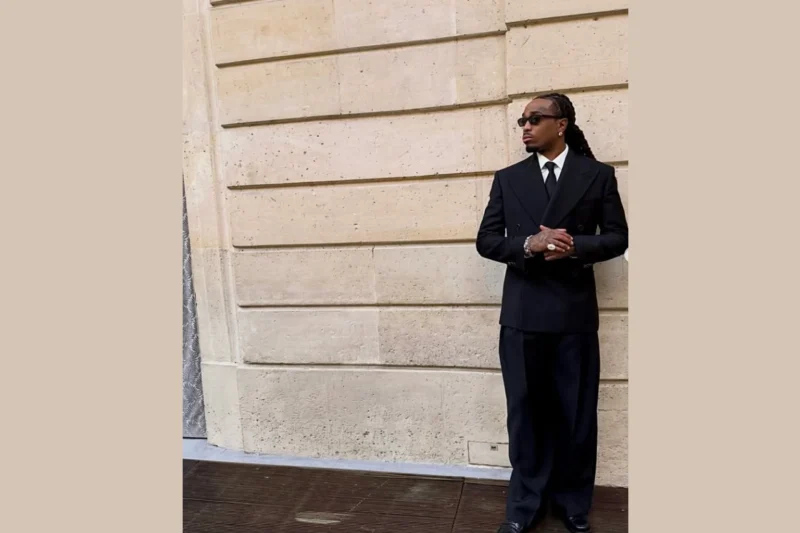
Quavo’s reported net worth, estimated at around $26 million, comes from music, endorsements, and ventures in acting and fashion. Yet, as seen across the industry, complex income streams from tours, royalties, and investments can sometimes lead to unpaid taxes despite access to professional financial advisors.
Other high-profile artists have faced similar challenges. Lil Wayne previously dealt with multi-million-dollar federal tax liens in the 2010s, while Tyga has also had IRS actions over unpaid federal taxes.
The news drew attention on social media, where an accompanying image of Quavo flashing stacks of cash in a luxury vehicle sparked conversations about the irony of visible wealth amid outstanding tax obligations. Fans and critics alike weighed in, noting a recurring theme of financial literacy challenges within the music industry.
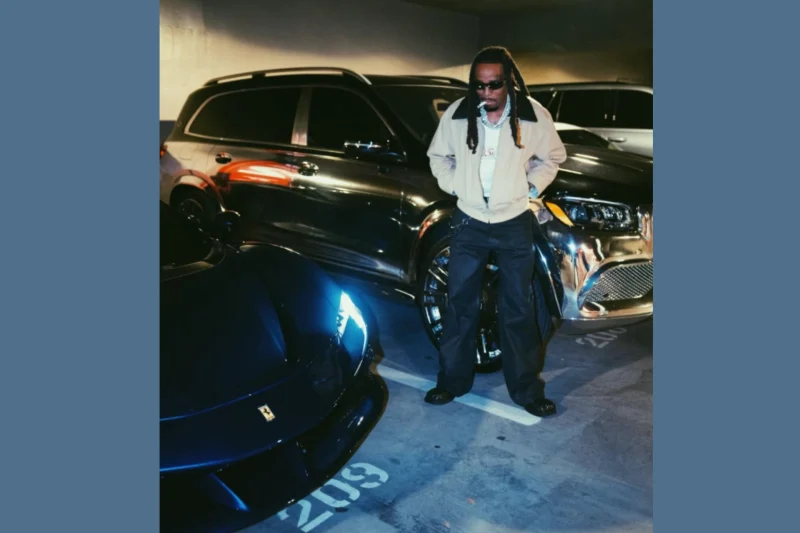
If unresolved, the IRS lien could escalate to asset seizure, bank levies, or wage garnishments. Quavo, who is set to headline the Mad Island Festival in St. Martin later this month, may address the matter through his representatives in the coming weeks.
For now, the case is a stark reminder that even multimillionaire celebrities remain subject to the same tax laws as the average taxpayer.