


Omar bin Laden — the son of former al-Qaeda leader Osama bin Laden — has spent more than a decade attempting to redefine his public identity through art, authorship and outspoken calls for peace. But in 2024, French authorities imposed a permanent re-entry ban on him, citing social media activity they said appeared to glorify terrorism — an accusation he has denied.
Now living outside France after his 2023 deportation from Normandy, Omar continues to paint and speak publicly about distancing himself from his father’s legacy, leaning into a dramatically different image — one that feels worlds away from the austere mountain compounds of his childhood.
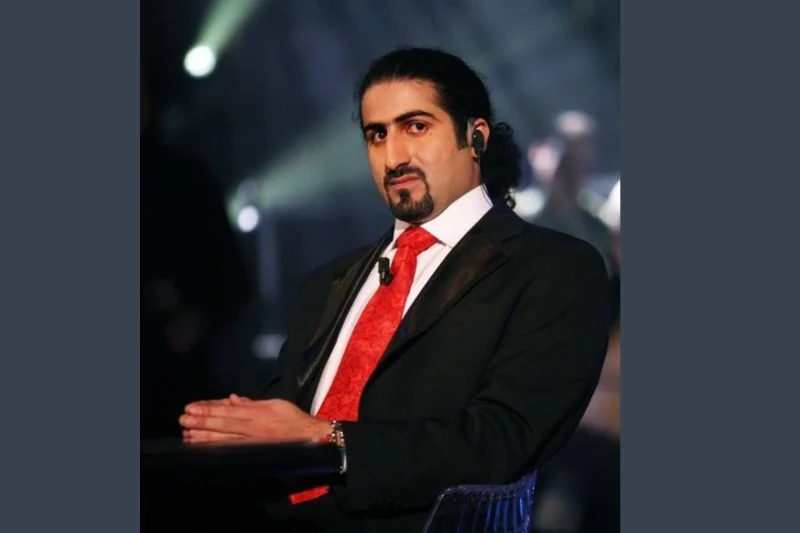
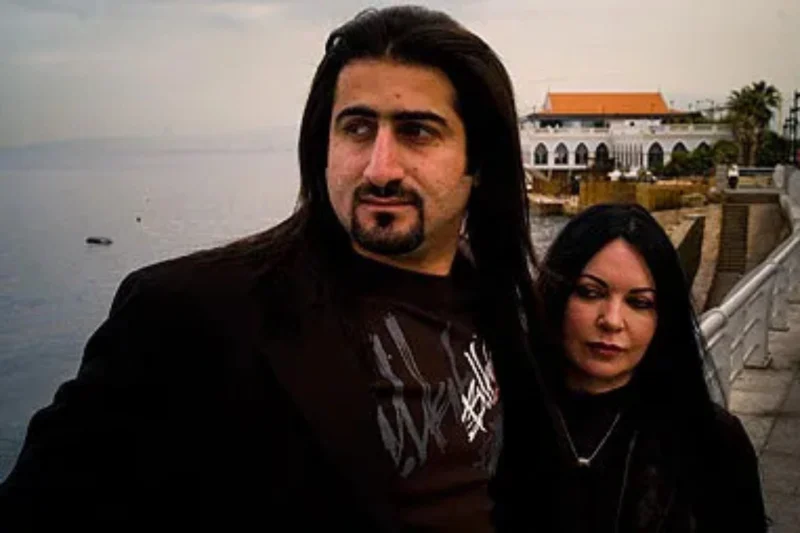
In widely circulated photos from the late 2000s and 2010s, Omar appears in black leather jackets, wearing his hair long and loose, often photographed alongside his British wife. The aesthetic — more rock frontman than militant heir — has become part of his personal rebrand.
The look stands in sharp contrast to the image long associated with his father. For Omar, that visual shift has mirrored a broader personal one: a public effort to step out from under a surname synonymous with extremism.
In 2009, Omar published Growing Up bin Laden, co-written with his mother and American author Jean Sasson. The memoir offers a rare inside account of life within the bin Laden household, detailing frequent moves from Saudi Arabia to Sudan and later Afghanistan as his father’s militant network expanded.
Born in Jeddah in 1981, Omar was raised in a large family under strict rules and limited comforts. In the book, he describes undergoing paramilitary training as a teenager and living near senior al-Qaeda figures, including Ayman al-Zawahiri. He also recounts severe discipline and a childhood shaped by ideological rigidity rather than conventional schooling or social life.
Crucially, the memoir centers on his rejection of that ideology. Omar writes that he left Afghanistan in 2000, at age 19, after concluding he could not support violence against civilians. In interviews over the years, he has condemned the Sept. 11 attacks and said he has not supported extremist causes since leaving his father’s circle.
The book positions his departure not just as a geographic break, but as a moral one — framing his adult life as an attempt at personal redemption.
By the mid-2010s, Omar had settled in rural Normandy, France, where he began focusing seriously on painting. His work — often described as naïve in style — features bright colors, desert landscapes, camels, mountains and wide-open horizons. Some pieces evoke the terrain of his youth; others draw on imagery inspired by American Western films and country music he has cited as formative influences.
His paintings were exhibited in western France, with works selling for hundreds to several thousand euros. Omar has said painting allows him to process trauma and seek peace, describing it as a way to imagine “light at the end of this dark road.”
For a time, the art world offered a quieter chapter.
That chapter ended in 2023, when French authorities deported him. In October 2024, Interior Minister Bruno Retailleau announced a permanent re-entry ban, citing social media posts officials said appeared to praise or romanticize terrorism.
Omar has publicly denied those claims, saying his posts were misinterpreted and reiterating that he does not support extremist ideology. French officials have maintained that national security concerns justified the decision.
Omar’s story remains one of the most visible among members of the broader bin Laden family, many of whom have stayed largely out of the public eye. While his surname continues to draw scrutiny, he has consistently framed his adult life around distancing himself from his father’s actions and ideology.
Today, he continues to paint and speak about peace, attempting to balance creative expression with a past that continues to shape how he is perceived.
For Omar bin Laden, the transformation — from militant training camps to gallery walls — remains both deeply personal and publicly complicated.

