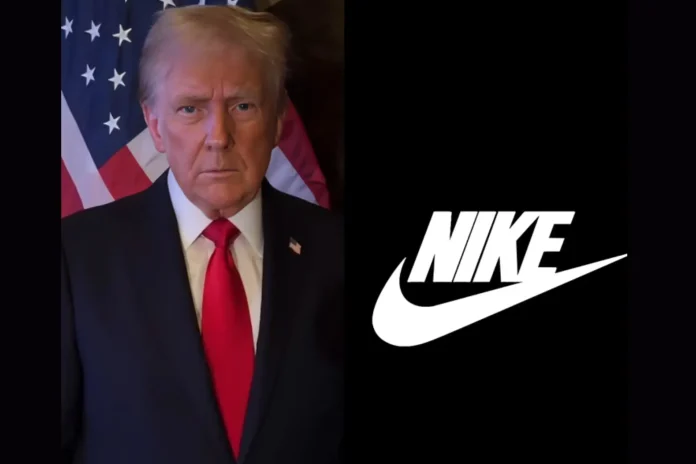
U.S. Equal Employment Opportunity Commission is digging into Nike right now, looking at whether their big push for diversity might have crossed a line into treating white employees unfairly. This whole thing ramped up in early 2026, with Trump back in office and his administration cracking down hard on corporate DEI programs. It’s stirring up all sorts of debates about what real fairness looks like at work.
The EEOC is basically the government’s enforcer for keeping workplaces fair, handling laws like Title VII from the Civil Rights Act of 1964. That one says you can’t discriminate in jobs based on race, gender, or stuff like that everyone’s supposed to get a fair shake.
It started back in May 2024 when Andrea Lucas, who was a commissioner then and is now the chair, kicked off what’s called a commissioner’s charge. That’s not super common; it lets the agency investigate without someone filing a complaint first. She pulled from Nike’s own reports and statements, like their annual Impact Reports where execs talked about DEI targets focused on race and ethnicity.
By 2025, Nike was aiming for more non-white hires and leaders, and they hit numbers like 47% of their U.S. workforce being non-white, up from 41% in 2020. But the EEOC is wondering if that push meant pushing white folks aside.
They’re checking if Nike had a “pattern or practice” of discrimination that’s the legal term for systemic bias across the company. This covers hiring, promotions, demotions, layoffs, internships, mentoring, and who gets into leadership roles.
One big red flag: 16 programs that might have been restricted by race, cutting off white employees. Plus, they’re asking how race data played into executive bonuses and who got laid off.
In September 2025, the EEOC slapped Nike with a subpoena for records going back to 2018. A subpoena’s just an official “give us the docs” order, and courts can make you comply. Nike turned over a ton of pages but not everything, so on February 4, 2026, the EEOC sued in federal court in Missouri (case number 4:26-mc-00128) to force the rest out.
A tweet from X.
Important note: This isn’t a full-blown discrimination lawsuit yet. It’s just about getting those documents.
Nike’s pushing back, saying everything they do is fair and legal. In their statement, they mentioned being “committed to fair and lawful employment practices” and that their programs follow anti-discrimination laws. They called the lawsuit a “surprising and unusual escalation” but said they’d keep cooperating.
This fits into a bigger picture. Since Trump took office in January 2025, his folks have been calling out DEI as possible “reverse discrimination” against white people or majority groups. Lucas, who Trump appointed, has been front and center she rolled back some old guidance on LGBTQ+ protections and even encouraged white men to report problems back in December 2025.
There’s Executive Order 14173 from Trump that killed off federal DEI stuff, labeling it as “illegal preferences.” Other companies like Northwestern Mutual are getting similar heat. Some people cry foul, saying it’s politicizing the agency; others say it’s about applying the law evenly, going for a “colorblind” approach. A former EEOC official I came across said this might be twisting the law and could scare companies away from legit diversity efforts.
If this sticks with Nike, it could ripple out to big players like Walmart or Amazon, where a lot of DEI got dialed back in 2025 due to legal pressures. A survey from the Society for Human Resource Management showed about 30% of companies did the same.
Over on X, it’s a total mess threads full of snarky comments about “reverse racism,” linking it to Nike’s sweatshop issues abroad. Some folks cheer the investigation, arguing DEI skips over merit. But honestly, social media’s full of hot takes and fake news; it doesn’t mean much for what’s actually happening in court.
The Missouri court should decide on the subpoena pretty soon. If the docs reveal problems, then the EEOC might file a real suit. For now, though, it’s just investigation mode no one’s proven guilty as of early February 2026.
Everyone’s eyes are on this because it could change how workplaces operate across the U.S. Will DEI get tweaked to make sure it doesn’t exclude anyone, or will it stand its ground? It might push companies to focus more on genuine fairness instead of box-checking.