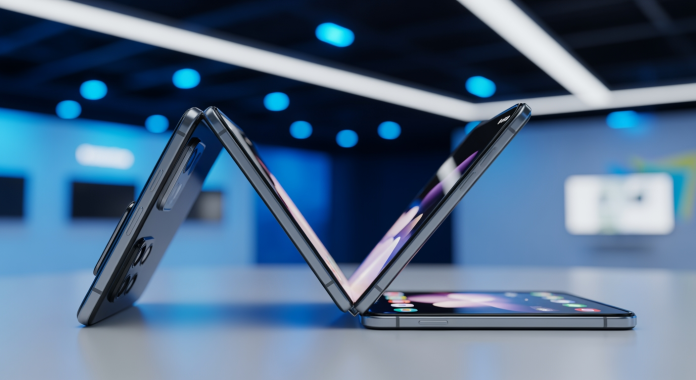
The mobile technology landscape faces a dramatic shift: industry analysts predict a 38% surge in foldable smartphone shipments by 2026. This growth signals a significant evolution in device design and consumer interaction.
Foldable phones have moved past their initial criticisms to reach a mainstream breakthrough. Early models presented challenges in terms of durability, software optimization, and high prices. However, recent years have brought substantial improvements in hinge technology, display robustness, and software integration. These advancements offer a more refined user experience. Manufacturers are also actively working to reduce costs, making foldables more accessible. This combination positions 2026 as a pivotal year for the foldable phone market.
Technological advancement is a primary driver of this projected boom. Enhanced hinge designs have improved durability, enabling smoother folding and increased resistance to wear. Displays are now more robust and less prone to creasing. Software is also better optimized to take advantage of the unique form factor of these devices. Alongside this tech innovation, increasing competition drives prices down, making foldables more appealing. This optimistic forecast, highlighted by Counterpoint Research, underlines the market’s trajectory.
Key players are already making moves. Motorola, for example, has teased a new flagship foldable phone set for CES 2026, suggesting advanced features and refined aesthetics. This move demonstrates the commitment of major manufacturers to the foldable segment. Competition will intensify as brands like Samsung, Google, and Oppo continue to innovate and launch their own foldable models. The introduction of new devices at competitive price points will be crucial for capturing consumer attention in this growing smartphone surge.
These innovative devices target tech enthusiasts, early adopters, and users seeking both portability and expansive screen space. The seamless transition between a compact phone and a tablet-like display is a significant draw. Use cases span enhanced multitasking, immersive media consumption, improved productivity, and gaming. Their versatility positions them as a compelling choice for a premium smartphone experience, especially for those who need adaptability on the go. This versatility contributes significantly to the growth potential within the mobile tech industry.
Despite the upward trend for foldable phones 2026, challenges remain. Continuous improvements in durability, further software optimization, and additional price reductions are vital for long-term success. Yet, with major brands like Motorola and others heavily investing in the technology, the outlook remains strong. The predicted 38% growth for 2026 is a bold indicator: foldable phones could soon establish themselves as a new standard in the smartphone world.