

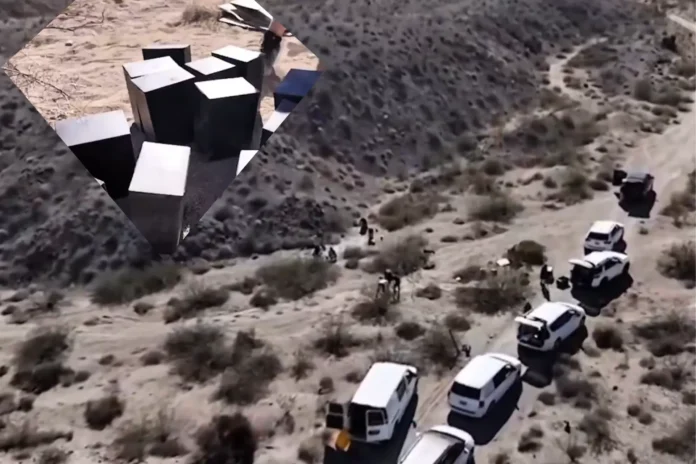
In the vast, unforgiving silence of the Nevada desert, a chance find last summer unveiled a profound breach of trust: more than 300 mounds of cremated human remains, abandoned on federal land as if discarded without a second thought.
The grim revelation came on July 28, near Searchlight, a tiny outpost roughly 50 miles south of Las Vegas, when a resident spotted what appeared to be scattered debris along a dusty road off Highway 95. Officials from the Bureau of Land Management, which oversees the site, quickly verified the piles as human cremains through unmistakable bone fragments, each mound likely containing the pulverized ashes of a single individual from the Las Vegas region. Initial counts pegged the number at around 70, but thorough sweeps revealed a second nearby cluster, bringing the total to precisely 315 separate sets, according to federal records released this week.
Scattered among the ashes were stark clues to the perpetrator’s haste: plastic zip ties typically used to secure cremation bags at processing facilities and fragments of inexpensive urns, suggesting involvement from a licensed funeral operation aiming to evade disposal fees or regulatory scrutiny. Under Nevada Revised Statutes Section 642.405, funeral directors are required to ensure the dignified treatment of all remains, regardless of whether families claim them, a mandate rooted in ethical standards that date back decades. Yet this mass abandonment on public land violates not only state ethics codes but also federal guidelines prohibiting commercial scattering of cremains, which could contaminate ecosystems or disrupt land use without proper designation as a burial ground.
The Las Vegas Metropolitan Police Department, partnering with Bureau of Land Management rangers, has deepened its inquiry since the August disclosure, poring over crematory logs and industry manifests without yet pinpointing a culprit. Investigators have explicitly distanced the case from a separate scandal involving a shuttered local funeral home cited for improper body storage earlier this year, emphasizing that this appears to stem from systemic cost-cutting in handling indigent decedents, those whose estates leave no funds for burial. As one senior investigator noted in a briefing,
“This isnt a one off; its a window into pressures building across the sector, where unclaimed remains number in the thousands annually in Clark County alone.”
Amid the probe, a beacon of community resolve emerged on October 29, when staff from a prominent Las Vegas mortuary mobilized to the site. Clad in gloves and masks under a relentless sun, the group of about a dozen carefully gathered each pile into sealed bags before transferring them to personalized urns, a labor-intensive process spanning hours to honor what forensics confirmed as irrecoverable identities; no DNA survived the cremation blaze. Leading the effort, the mortuary’s president shared a poignant observation:
“These aren’t just ashes; they represent lives from our own backyard, people who contributed to this community and now deserve a resting place free from the elements.”
The urns now reside in a communal crypt at a city cemetery, accessible for any belated family inquiries, turning desolation into a site of quiet reflection.
This unfolding saga lays bare fissures in America’s funeral framework, where operational costs have surged 20 percent since 2020 amid stagnant reimbursements for public aid burials, per data from the Nevada Funeral and Cemetery Services Board. While the board conducts routine audits, experts call for expanded digital tracking of cremains to prevent such lapses, arguing that technology could bridge gaps without burdening small operators. Its a call to action for policymakers: in an era of economic strain, safeguarding the dead demands proactive investment, lest more stories like this erode the solemn compact we hold with those who have passed.
With no arrests announced as of late October, the joint task force urges tips from industry insiders, promising anonymity through dedicated lines. The desert, for its part, reclaims the scars swiftly, but the questions it stirs about respect and responsibility endure, compelling us to ensure no one fades into obscurity without grace.
