

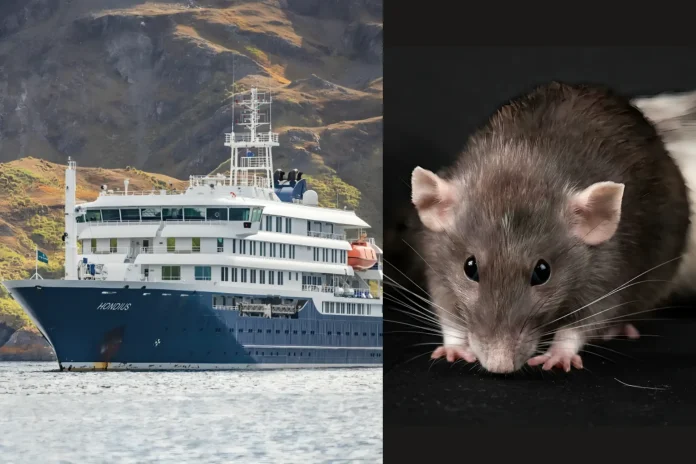
Three passengers have died and at least seven others have fallen ill in a suspected hantavirus outbreak on board the MV Hondius, a Dutch expedition cruise ship that’s now stuck off Cape Verde. The vessel, carrying around 150 people from more than 20 countries including several Americans remains at sea while authorities try to manage the situation. The World Health Organization says the risk to the general public is still low, but the whole thing has understandably rattled everyone involved.
Out of Ushuaia, Argentina, the vessel sailed early April 2026 – heading into icy waters near Antarctica and scattered South Atlantic outposts. By the middle of the month, signs began appearing among passengers. A Dutch national, aged seventy, fell ill about April sixth with fever, headaches, stomach cramps, along with loose bowels. Death came five days later while still at sea, aboard the same craft. Later, his wife, aged sixty-nine, fell ill, then flown out only to pass away in a Johannesburg hospital. Early in May saw death take a German traveler aboard the vessel. In South Africa, one guest from Britain now fights illness deep inside an ICU. Others show lighter signs of sickness, scattered among the group. At least two tested positive for hantavirus – most likely the Andes version.
A tweet from X.
Passengers and crew representing about 23 nationalities are mostly confined to their cabins under strict isolation and hygiene rules. Medical teams have boarded the ship. Cape Verde authorities initially refused to let people disembark to protect the local population, but plans are now underway to move the vessel toward Spain’s Canary Islands for proper screening, testing, and support.
On social media, reactions have been all over the place: worry, comparisons to the early COVID cruise ship dramas, and the inevitable dark jokes about boats and rodents. A lot of Americans are following it closely because their fellow citizens are on board.
Hantavirus lives in rodents, spreading mostly when someone inhales tiny bits left behind in pee, poop, or spit. Not often does it jump from one person to another though sometimes it can. The version in certain areas of Argentina and Chile behaves differently once in a while. Close contact seems to matter most there.
Most cases begin with signs similar to the flu fever shows up first, then headaches join in, followed by sore muscles. Breathing trouble might come later, if things worsen. No targeted cure exists, so medical teams focus on easing symptoms instead. Seeing something like this unfold on a cruise vessel surprises many it does not happen very often. The source likely traces back to South America, possibly picked up prior to departure or during the first days at sea.
Start with trusted sources WHO, CDC, or established newsrooms such as AP, BBC, and The New York Times. Skip the noise found on social platforms where facts blur. Professionals suggest relying on consistent reporting rather than chasing viral posts. Clear guidance emerges when you filter out the chaos online. Stick to what’s verified, even if it feels slower.
This tale unfolds far from land, where medical aid grows thin and passengers speak dozens of tongues. Though questions linger, officials work to trace how illness spread, if it moved between travelers at all. By May 2026, teams prioritize moving the sick to hospitals while shielding the rest from harm. Updates arrive slowly, each revealing fragments of what unfolded mid-ocean.
