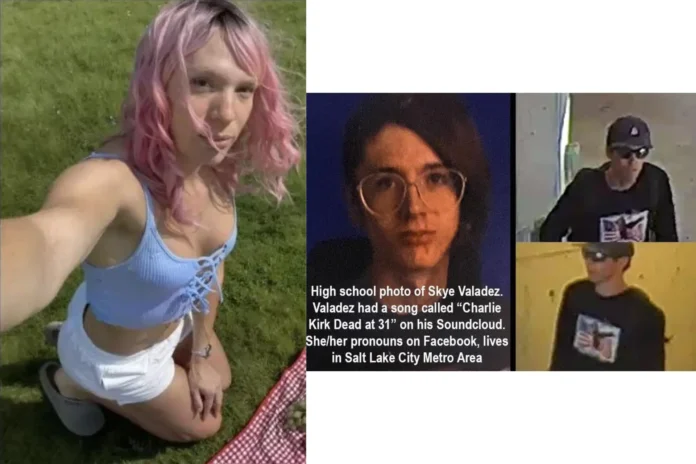
It happened in hours. A shooting at a Charlie Kirk speaking event sent shockwaves through the conservative commentary world in late 2024, and within hours of that first report, users on 4chan’s Politically Incorrect board were already mobilizing to identify a suspect. What they found instead of the actual shooter was a trans musician with no connection to the incident—a person whose name they incorrectly assigned as a suspect, then doxxed, then flooded with death threats. The personal information spread from 4chan to other platforms, and by the time official investigations confirmed the musician had nothing to do with the shooting, the harassment had already caused severe emotional distress and genuine safety concerns for the individual and their family.
[UPDATE: April 8, 2026 – 2:00 PM EST] — The case has continued to serve as a reference point in conversations about online mob justice and the specific vulnerability of trans individuals to coordinated harassment campaigns. Wired documented how the incident illustrated the dangers of anonymous platforms being weaponized in real-world investigations—where speculation turns into a target, and that target becomes a person whose life can be destroyed within days. Fox News covered the initial shooting and injuries, though the investigation into the actual perpetrator moved separately from the online harassment campaign that wrongly identified the musician. Advocacy groups have pointed to the case as a textbook example of how marginalized communities are disproportionately impacted when online mobs decide someone fits a narrative, with little recourse available once the harm has been done.
The targeting was coordinated and deliberate. Users on 4chan’s pol board—a space with a documented history of organizing harassment campaigns—shared the musician’s personal information across multiple platforms. Their address appeared online. Their social media accounts were flooded. Death threats arrived in quantities that made normal protective measures insufficient. The individual, who had no connection to Charlie Kirk, no involvement in the shooting, and no history that would make them a plausible suspect, found themselves caught in something they had nothing to do with simply because an anonymous community decided to look for someone who fit a predetermined profile.
Platforms were slow to respond to the doxxing content, despite reports of the harassment. Critics argued that the delay between the information going live and its removal contributed directly to the severity of what the musician faced. The incident reignited debates about platform moderation policies regarding doxxing—whether anonymous spaces should bear any responsibility for preventing the weaponization of their communities, and what meaningful intervention actually looks like when the harm is already spreading across multiple sites simultaneously.
Charlie Kirk, founder of Turning Point USA, had become a frequent target of political opposition by the time the shooting occurred, and the violence raised immediate questions about safety at political events where tensions run high. The intersection of that political violence with online harassment targeting someone completely unconnected showed exactly how quickly the digital and physical worlds can collide when anonymous communities decide to act on speculation rather than evidence.
The musician’s situation illustrated a broader pattern that advocacy groups have documented extensively: trans individuals face disproportionate targeting in online harassment campaigns, often with limited legal recourse when the harm originates from anonymous platforms in different jurisdictions. The case has remained a reference point for experts discussing online radicalization, platform accountability, and the specific risks that marginalized users face when their information gets pulled into events they had nothing to do with.