

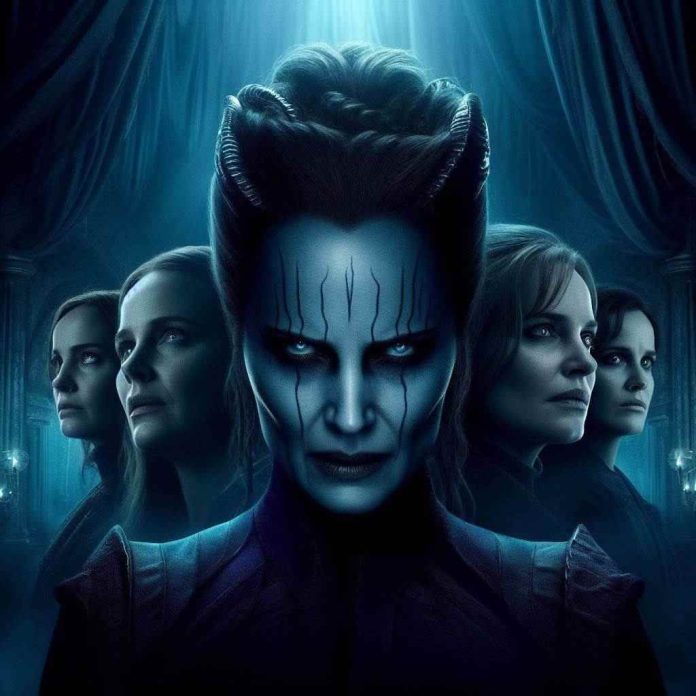
The world of cinema often sees antagonists capturing the limelight. They do this with their complex personalities and memorable performances. Female villains have carved a niche for themselves among them. They challenge societal norms and expectations in unique ways. Here, we delve into the lives and actions of five such characters. They have become iconic due to their morally bankrupt and complex nature and often striking and elegant attire.
The Unforgettable Five
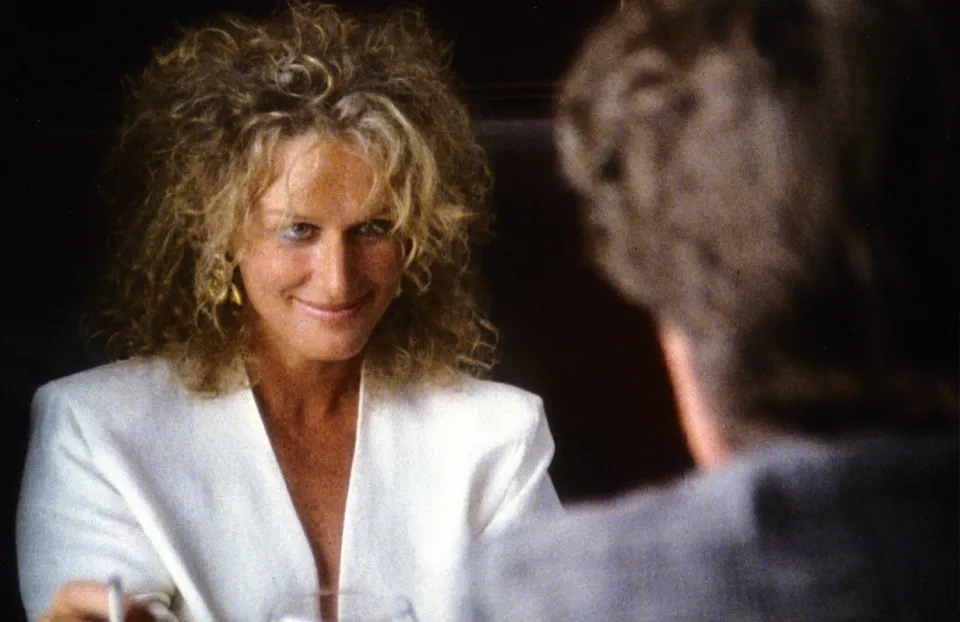
Alex Forrest(Glenn Close) in Fatal Attraction
Alex Forrest is a character who embodies obsession and revenge. Her relentless pursuit of a married man and subsequent actions make her one of the most chilling characters in film history.
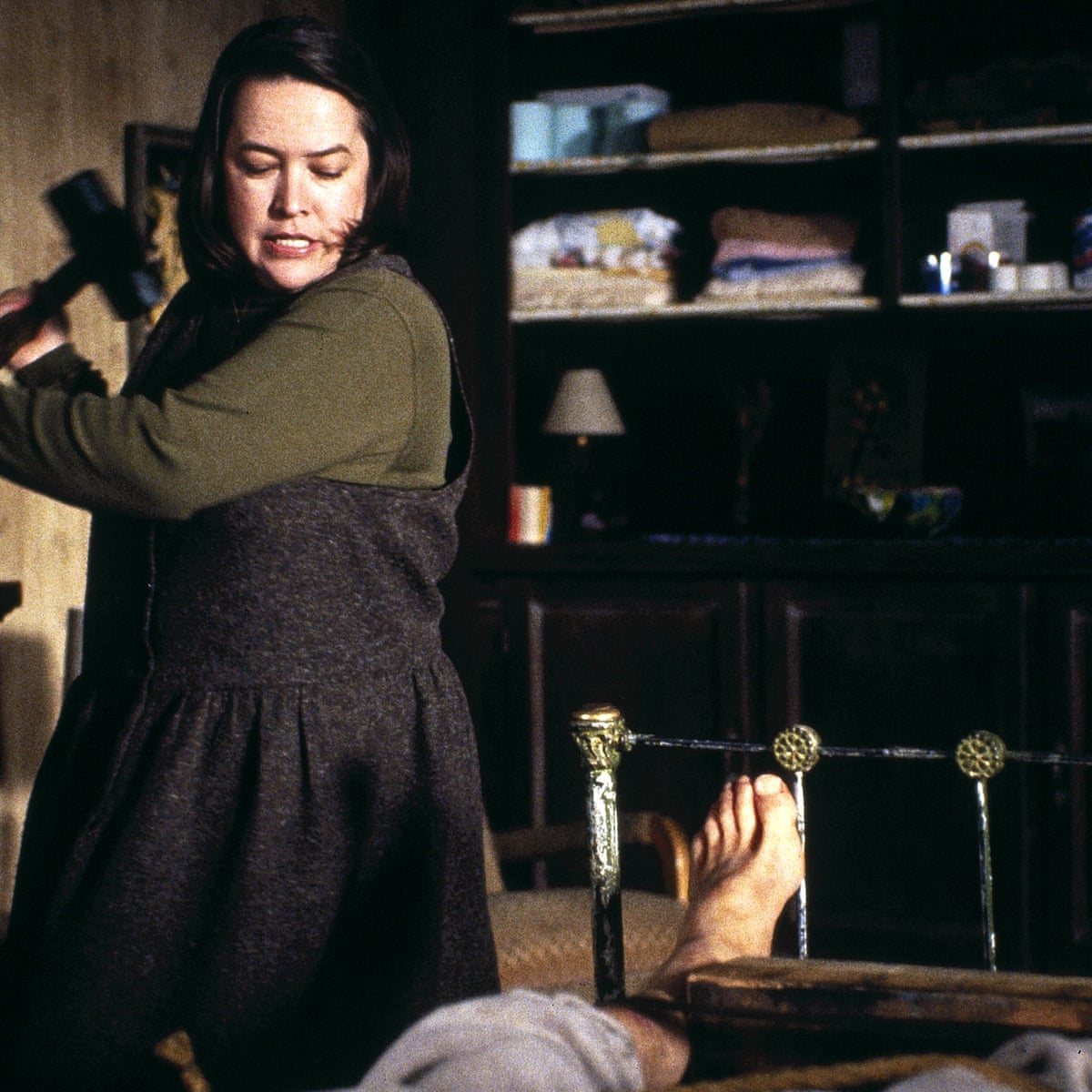
Annie Wilkes
Annie Wilkes, Played by Kathy Bates in Misery, is a character. Her fanatical obsession and volatile nature make her a terrifying figure. Her actions, driven by a twisted sense of love and admiration, have left an indelible mark on the horror genre.
Catherine Tramell(Sharon Stone) in Basic Instinct
Catherine Tramell is a character who uses her intelligence and sexuality as weapons. Her manipulative nature and lack of remorse make her a formidable antagonist.
/cdn.vox-cdn.com/uploads/chorus_asset/file/19126299/basicinstinct.jpg)
Bellatrix Lestrange
Bellatrix Lestrange, played by Helena Bonham Carter in the Harry Potter series, is a character who is truly evil. She is loyal to the dark side and delights in causing pain. Her cruel actions and sadistic pleasure in others’ suffering have made her one of the most hated characters in the series.
Regina George (Rachel McAdams) in Mean Girls
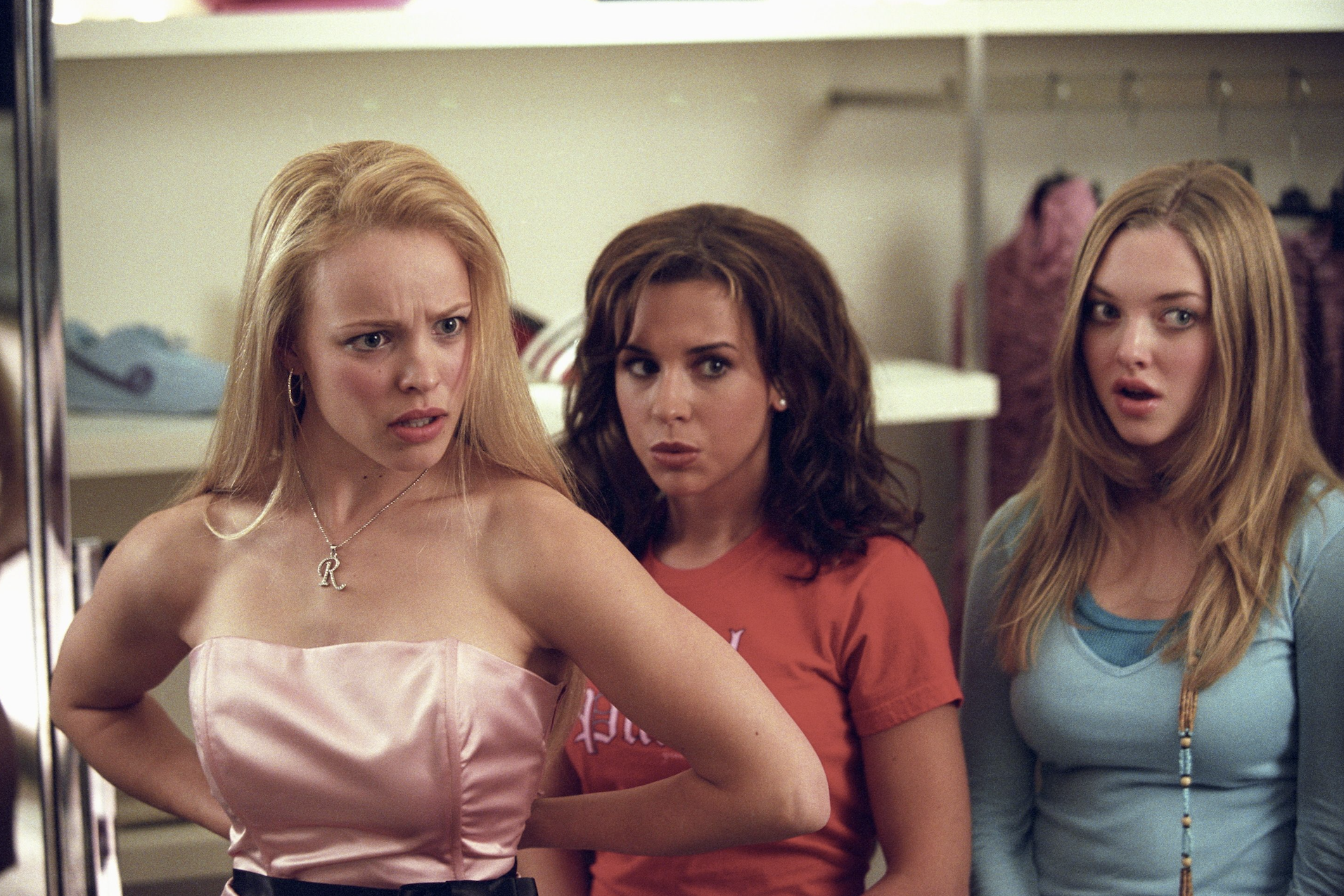
Regina George is a character who rules her high school with a mix of popularity and fear. Her manipulative and mean-spirited behavior is hidden behind a veneer of charm and beauty. This makes her a memorable villain in the teen film genre.
The Criteria for Evilness
Various factors often determine the “evilness” of a character in films, including female characters. The actions of the character and the consequences of those actions play a significant role. Characters who commit harmful acts, especially without remorse or for selfish reasons, are often seen as evil. The motivations behind a character’s actions also contribute to their perceived evilness. Characters driven by malicious intent, such as revenge, power, or control, are often considered more evil than those caused by survival or protection.
Certain character traits, such as deceitfulness, manipulation, cruelty, and lack of empathy, are often associated with evil characters. Characters who cause significant harm or distress to other characters, particularly innocent ones, are often perceived as more evil. The way female characters are sexualized and brutalized in films can also contribute to their perceived evilness. The representation of women in movies and the use of outdated narratives and sexist stereotypes can also play a part in how evil a character is perceived to be.
The Impact on Cinema
These characters have had a lasting impact on cinema. They have become iconic figures, remembered for their roles as villains. They subvert traditional female archetypes. They challenge societal norms and expectations in complex ways. Their portrayals delve into the darker aspects of ambition, power, and morality. They reflect villainy’s multifaceted nature in a world dominated by male antagonists.
The portrayal of evil female characters in films is a fascinating study. It examines character development and societal perceptions. In conclusion, with their complex personalities and memorable performances, these characters continue to captivate audiences, impacting cinema and popular culture.
