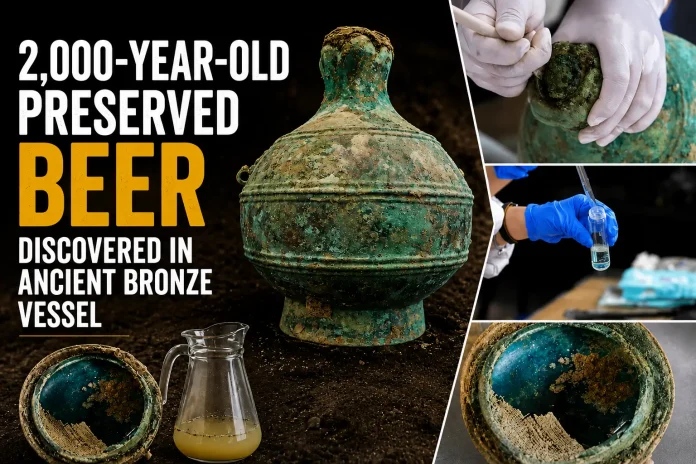
Archaeologists cracked open a 2,200-year-old bronze bottle in China and found it still held nearly a gallon of beer.
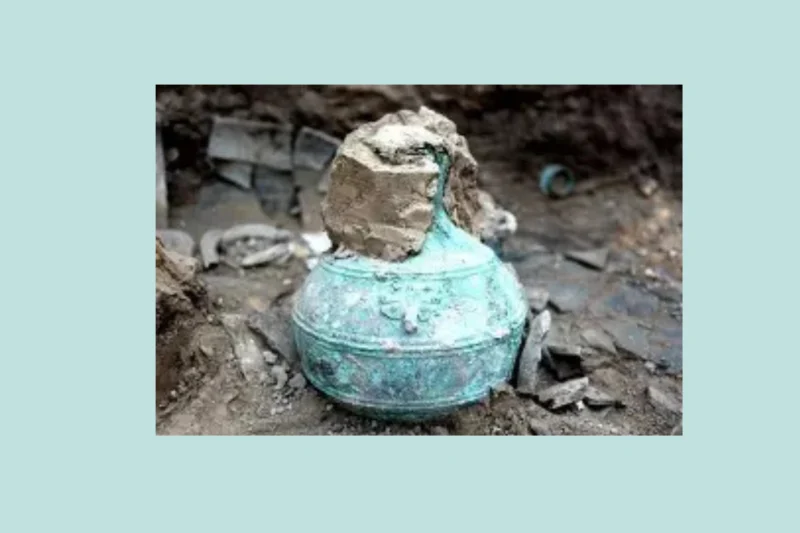
The vessel turned up in Tomb M39 at the Shanjiabao cemetery in Ningxia, just a couple kilometers from a stretch of the ancient Qin Great Wall. The cemetery dates to the Warring States period, that chaotic stretch between 475 and 221 B.C. when rival kingdoms were fighting for control before China got unified. Inside the tomb sat a bronze bottle with the classic garlic-head shape the Qin people used for alcohol. When researchers opened it, they poured out 3.74 liters of clear, pale blue-green liquid that somehow still had no smell after more than two millennia underground.
Most of the time, archaeologists only find dried residue or microscopic traces stuck to old pottery. This time they got an actual bottle of liquid that survived intact. Ruru Chen, a researcher at Northwest University’s School of Cultural Heritage, said the sheer volume and how well it held up were the biggest shocks. Finding this much liquid from that era is extremely rare.
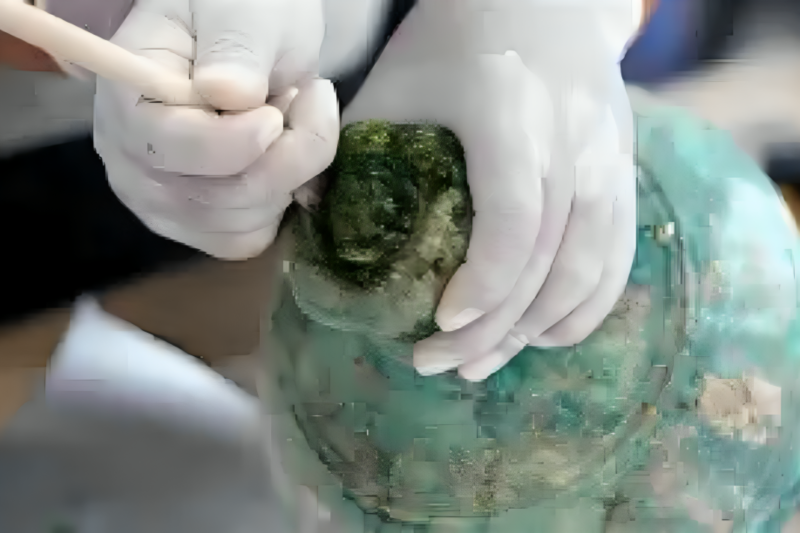
Lab tests painted a clear picture. The team ran the liquid through advanced chemical analysis and looked at starch grains, plant remains, and yeast under the microscope. They found more than 2,400 different organic compounds, high levels of lactic and oxalic acids, and very little of the stuff you’d expect from fruit wine. The main ingredient was broomcorn millet, with smaller amounts of wheat or barley mixed in. They also counted thousands of yeast cells, proof that this was intentional fermentation, not some accidental swamp water that got trapped.
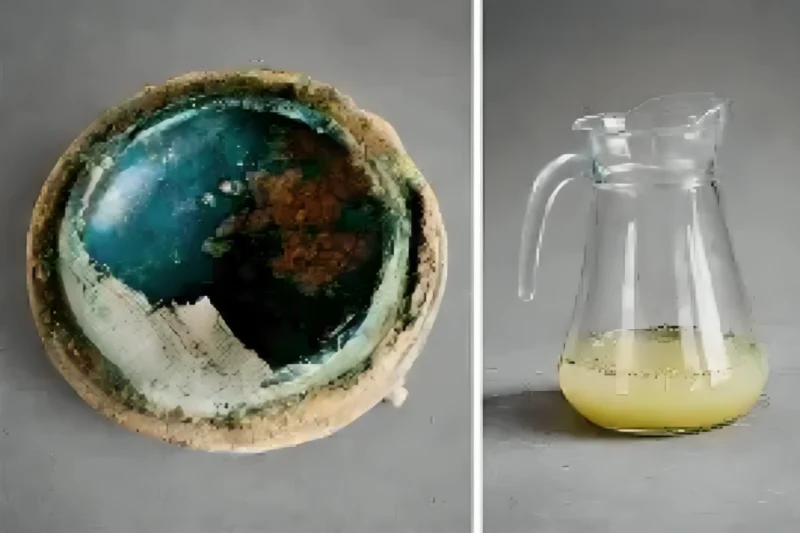
What they recovered wasn’t a modern lager or a hard liquor. It was a fermented grain drink, closer to a sour, early-style Chinese cereal brew. Evidence points to the Qin using a traditional starter culture called qu, the same basic approach that still powers a lot of Chinese rice wines and grain alcohols today. Ancient texts from the period already talk about the right grains, the right timing, and the right vessels, so this bottle lines up with what people were writing about at the time.
The bottle itself did a lot of the heavy lifting on preservation. It had been sealed with fabric on the inside and a layer of organic mud on the outside. That double barrier, plus the dry climate and the bronze container, kept the liquid from evaporating or getting contaminated for centuries.
The cemetery seems to have served frontier soldiers and local residents living near the wall. The beer was almost certainly left as a grave gift so the person buried there could keep drinking in the afterlife. A similar liquid find from another Qin tomb in 2024 suggests brewing techniques in northern China were already pretty refined by this point. China’s relationship with fermented grain drinks goes back roughly 9,000 years, but actual liquid from the Warring States era is still a rare sight.
The Shanjiabao bottle gives researchers one of the clearest looks yet at what people were actually making and valuing enough to bury with their dead. No one’s planning to drink it, of course. But after more than two thousand years, the bottle still managed to deliver the goods.