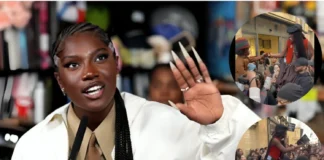
She had 5.5 million YouTube subscribers and 1.3 million TikTok followers—but when Natalie Reyolds set up a meet-and-greet table in June 2025, the chairs stayed empty. No one walked through the door. She filmed herself crying mid-makeup tutorial, captioning it: “GRWM while I talk about NO ONE coming to my Meet & Greet.” The clip ripped across the internet within hours, sparking a raw conversation about what influencer fame actually means when the cameras stop rolling.
[UPDATE: April 8, 2026 – 4:00 PM EST] — Reyolds has since quietly rebuilt her brand, moving away from the “rage-bait” content that defined her earlier career. As of early 2026, her team confirms she’s landed partnerships with two undisclosed major beauty brands—a significant shift from the controversy-driven engagement that once defined her presence. But the questions her empty meet-and-greet raised haven’t disappeared: what does it really mean to “support” a creator you follow online?
The June 2025 moment was brutal in its simplicity. A row of empty chairs. A pastel banner no one stood beneath. Reyolds, 26, visibly emotional, said in her viral TikTok: “I was just standing there, waiting. It was a learning experience, honestly.” The phrase landed like a punch—part vulnerability, part deflection, part the kind of self-awareness that comes too late to prevent the wound.
Her rise hadn’t been straightforward. Reyolds built her following in 2022 with TikTok lip-syncs and dance videos before pivoting to bold prank skits and relationship humor. It was the “rage-bait” style—content engineered to provoke strong reactions—that delivered her largest audiences and her sharpest critics. That same approach nearly ended her career just weeks before the meet-and-greet disaster.
In May 2025, reports surfaced that Reyolds had offered a homeless woman $20 to jump into Lady Bird Lake in Austin. The woman told Reyolds she couldn’t swim. Reyolds fled when the woman struggled, triggering a 14-day TikTok suspension and a wave of backlash that dwarfed anything she’d experienced before. Plagiarism allegations followed—other creators claimed she copied skits, jokes, and fashion concepts wholesale.
The meet-and-greet humiliation landed in that specific shadow. According to research from Influencer Marketing Hub, mega-influencers with over 1 million followers average just 1.2% engagement rates—and even fewer convert to real-world actions like attending paid events. Dr. Sarah Martinez, a media psychologist at UCLA, told outlets the phenomenon runs deeper than economics: “Parasocial relationships are one-directional. A fan might feel deeply connected to an influencer, but that doesn’t create a reciprocal obligation to show up.”
Reyolds herself articulated it in a follow-up post: “People followed me, but did they really support me?” It’s a question increasingly loud in creator spaces as the gap between viral metrics and sustainable income grows wider. Brand deals shift. Platform algorithms change. The fans who liked from a distance don’t always follow when the money stops flowing.
Her 2026 pivot appears deliberate—fewer stunts, more lifestyle content, something closer to authentic identity rather than algorithmic provocation. Whether it translates to the kind of loyalty that fills meet-and-greet seats or simply rebuilds another audience of passive observers remains to be seen. The empty chairs from that June evening remain the most honest metric anyone’s produced about the distance between internet fame and real-world investment.
Related Articles: Kubra Karaaslan’s Father Speaks Out After TikTok Creator’s Tragic Suicide – The darker side of influencer fame and mental health struggles. Famous Turkish TikToker Cobra Kara Aslan Dies After Jumping from Osman Gazi Bridge – Another creator’s tragic end highlights the pressures facing social media stars.