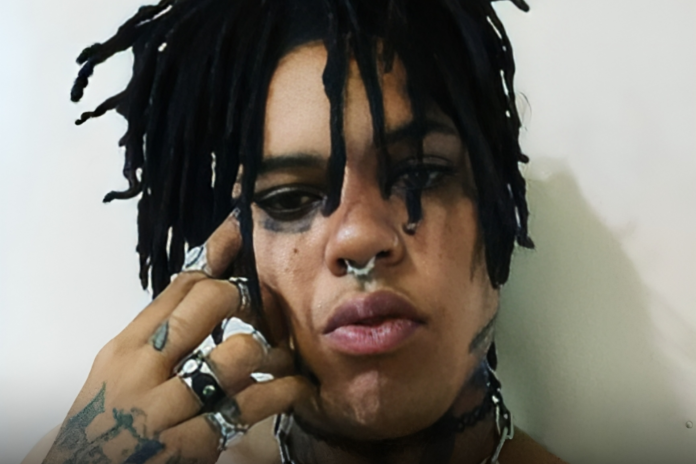
The music world lost a raw voice far too soon when emo-rap artist POORSTACY passed away at just 26 years old. Fans and fellow musicians are reeling from the sudden news of his death on November 29, 2025, in Boca Raton, Florida, after a medical emergency at a local hotel. Authorities rushed him to a hospital, but efforts to save him fell short, leaving many questions unanswered as the investigation continues.
Born Carlito Milfort Jr. on March 15, 1999, in Palm Beach, Florida, POORSTACY grew up in a working-class family where his father sparked his early love for music by teaching him guitar and other instruments. His childhood carried personal challenges, including mental health battles and losses that shaped his deeply emotional lyrics. Despite some song references to hardship, his mother, a dedicated immigrant, emphasized in past statements that she always ensured the family’s needs were met, highlighting the complex line between artistic expression and real life.
POORSTACY burst onto the scene in 2019 with SoundCloud uploads that blended emo-rap, punk, hip-hop, and metal into a fresh sound. He gained momentum through key collaborations, especially with Travis Barker of Blink-182, and worked with groups like Bring Me the Horizon to push genre boundaries. Tracks like “Don’t Look at Me” captured raw themes of pain and self-reflection, drawing a loyal underground following while echoing the styles of peers like XXXTentacion and Juice WRLD.
The cause of his death remains undetermined, with the Boca Raton Police Department and Palm Beach County Medical Examiner handling the case amid swirling unconfirmed rumors of suicide from fan discussions online. This tragedy echoes a pattern in the emo-rap community, where young talents often grapple with intense pressures, prompting calls for better mental health resources in music circles. As someone covering emerging artists, I see how POORSTACY’s work offers solace to listeners facing similar struggles; yet, his story underscores the urgent need for industry support systems to prevent such losses.
Tributes have poured in across social media, with supporters sharing how his music brought comfort during tough times and celebrated his innovative edge. While he remained somewhat niche, his potential for broader success shone through high-profile partnerships and a growing fan base. Looking ahead, his legacy might inspire more open conversations about vulnerability in hip-hop and rock, ensuring his influence endures beyond this heartbreaking end. For those seeking to explore his catalog, platforms like YouTube host many of his standout releases, and details on his life can be found through reputable biographies.