Police and health officials are urging parents to talk with their children and secure household medications after the death of 15-year-old Leah Presson of Enid, Oklahoma. The teen suffered seizures, was hospitalized, declared brain dead, and passed away in mid-June 2026 following an alleged attempt at the so-called “Benadryl Challenge,” according to multiple reports and her family.
Leah’s father, Richard Presson, verified the facts in public comments. According to him, Leah had seizures after consuming too much diphenhydramine, which is the primary ingredient in Benadryl. Leah was admitted to an area emergency department, moved to Integris Health Baptist Medical Center in Oklahoma City, put on a respirator without any brain functions, and finally died sometime between June 14 and 27, 2026. Her family decided to hold a celebration of life and donate her organs, thus saving lives of as many as 90 people.
“I just want everybody to be aware of where they can educate their kids. But these challenges are just silly, and they need to be educated so it doesn’t happen again,”
Richard Presson said. He emphasized monitoring social media, especially in broken homes, and open communication with children.
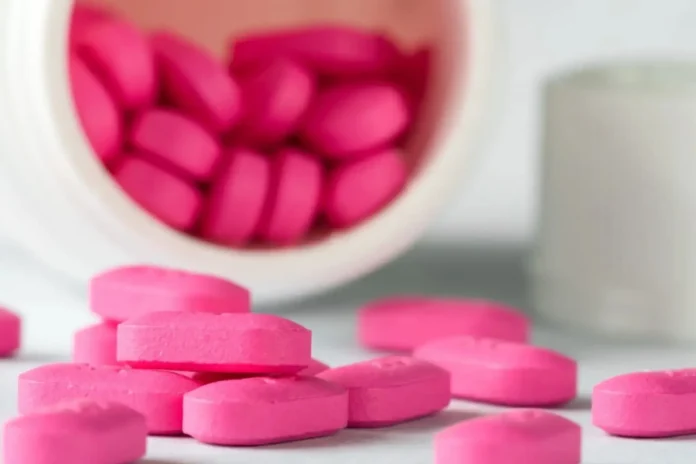
The trend, which first drew major attention in 2020 on TikTok, encourages participants often teens to take far more than the recommended dose of diphenhydramine to induce hallucinations while trying to stay awake and record their reactions. Medical experts stress that these hallucinations are not a “high” but signs of anticholinergic toxicity and poisoning.
The impacts of high drug dosages consist of convulsions, arrhythmias, heart failure, coma, brain injury, and death. In the year 2020, the U.S. Food and Drug Administration (FDA) gave out a warning regarding the potential dangers related to the ingestion of higher-than-recommended doses of this widely available over-the-counter allergy medicine.
This case has prompted fresh alerts from law enforcement and health authorities. America’s Poison Centers reported a rise in teen diphenhydramine exposures, with calls more than doubling in some periods compared to the prior year. While not all cases tie directly to the named challenge, officials note increased misuse among adolescents.
Previous tragic cases that involved an overdose of a drug that was viral on social media resulted in the death of a 13-year-old Ohio boy, Jacob Stevens, this year. Specialists from Ohio emergency departments and pediatricians are concerned about the dangerous trend for teens’ developing brains.
Some social media users are speculating whether it is a viral challenge or just a dangerous coincidence. The issue of diphenhydramine abuse is not viral enough to make many people worry about their children. However, health officials stress the importance of keeping medications secured and having open conversations with youngsters about the dangers of social media and what to do if they encounter such content.
Calling the Ohio poison center or 911 is essential if someone experiences extreme drowsiness, seizures, rapid heartbeat, delirium, or other adverse effects after dosing on diphenhydramine. In such cases, the specialists will give necessary instructions about the treatment for an overdose. The poison control center hotline is 1-800-222-1222.
The message from Richard Presson himself is noteworthy, as parents all around the country should be on the constant look out for emerging trends and hold conversations on potentially harmful topics, according to authorities. Prevention is the key, as education is the best cure, health officials advise.
The deaths are an awful reminder that parents can no longer leave their children unsupervised online as some social media challenges involve dangerous use of common products. Parents are advised to consult the FDA and poison control centers for more information.