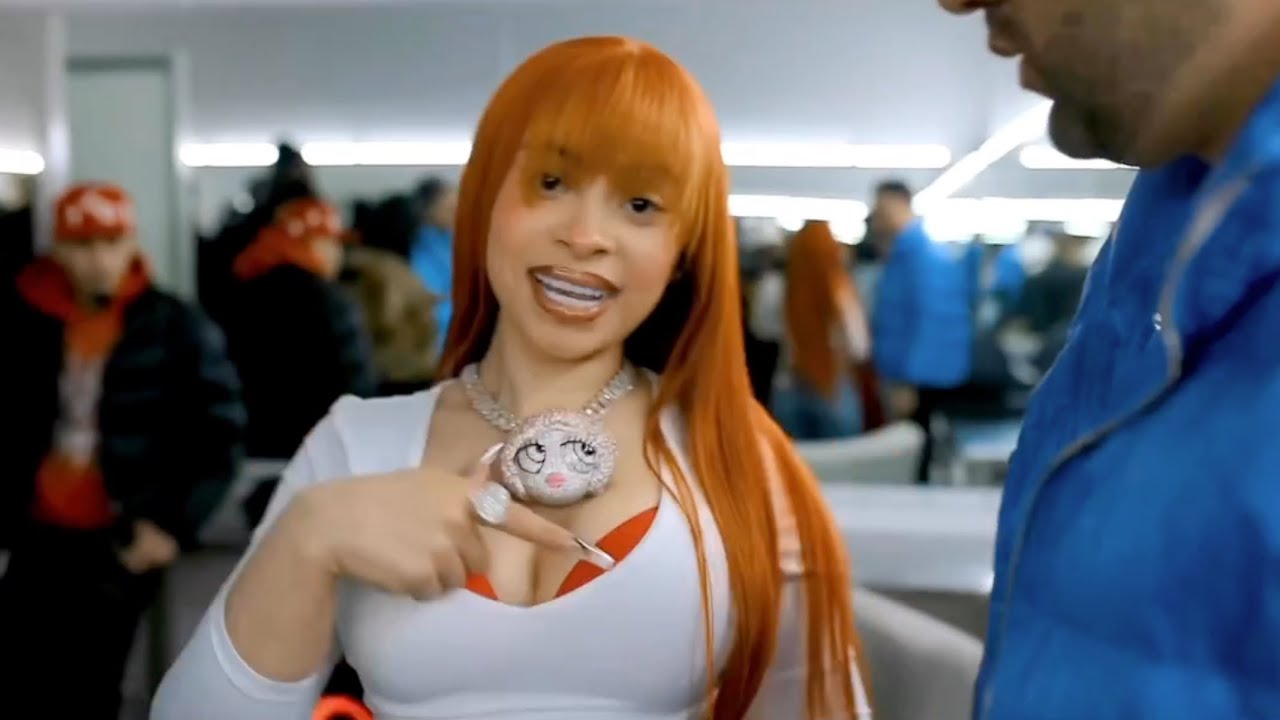
Four people died, and 19 others were injured in a mass shooting at a Stockton, California, family party that rapper MBNel survived. The MBNel Stockton shooting sent shockwaves through the hip-hop community, reigniting critical discussions about artist safety and the persistent dangers faced by musicians. Gunmen opened fire on the festive gathering, which authorities say had significant gang ties, marking another tragic event in the ongoing struggle against urban violence.
The attack unfolded at a lively family event in a Stockton neighborhood. Such scenes of devastating violence are not uncommon. Law enforcement quickly responded, finding multiple victims and a community gripped by fear. Investigations are underway to determine the full scope of the assault, which initial reports suggest was meticulously planned.
While details of his escape remain private, MBNel’s presence at the targeted gathering highlights the precarious balance many artists navigate between their public personas and personal lives. His survival casts a somber spotlight on the difficult choices artists from challenging backgrounds often confront. This incident is not the first time a hip-hop artist has been caught in a violent scenario.
The toll of four fatalities and 19 wounded casts a long shadow over Stockton, a city familiar with gun violence. Medical teams worked tirelessly, treating the injured, some of whom remain in critical condition. Maria Sanchez, a local community organizer, described the profound impact:
“This kind of violence shatters trust within families and neighborhoods, creating a ripple effect of fear and despair that takes years to heal.”
— Maria Sanchez, Local Community Organizer
Police sources, who spoke anonymously because of the ongoing investigation, indicated the Stockton mass shooting appears to be orchestrated with suspected gang affiliations. This pattern is not new. Artists, particularly in the rap genre, frequently navigate complex social landscapes where street allegiances can intersect with their careers. For more information on how gang violence affects communities, a comprehensive report from the National Institute of Justice offers valuable insights.
The incident has intensified a long-standing debate within the hip-hop industry regarding its relationship with violence and the urgent need for enhanced artist protection. Many argue that while lyrics often reflect lived realities, artists themselves should not become targets of such brutality. Marcus ‘DJ Blaze’ Thompson, a prominent music industry veteran, stated:
“We have to do more than just mourn; we need systemic changes to protect our talent, both on and off the stage. Their lives are precious.”
— Marcus ‘DJ Blaze’ Thompson, Music Industry Veteran
The discussion often circles back to artists’ responsibility and the broader societal issues that contribute to violence, a topic explored by publications like Billboard concerning artist safety in volatile landscapes. The incident forces a re-evaluation of security protocols for public figures, even at private events.
As Stockton police continue their investigation into the MBNel Stockton shooting, the hope remains for swift justice for the victims and their families. This tragedy serves as a stark reminder of persistent challenges facing communities and the artists who emerge from them, emphasizing the need for robust violence prevention strategies, similar to those advocated by Everytown for Gun Safety. Lasting peace requires a collective effort from law enforcement, community leaders, and the entire law enforcement community.